

Documents needed
All it takes is what’s already in your wallet
- Valid domestic driver’s license
- Passport-style photo
- Valid government-issued ID
- Completed online application



Your license instantly translated and valid in 189+ countries. Travel freely to multiple destinations with a single permit — use in unlimited countries during validity period.
Recognized for 1 year here. Your IDP stays valid for its full term in 189+ other destinations.
An International Driving Permit is not officially recognized in this country.
Start your application
Takes less than 2 minutes to complete
Recognized for 1 year here. Your IDP stays valid for its full term in 189+ other destinations.
An International Driving Permit is not officially recognized in this country. Please check local driving regulations.

Limited Coverage
Digital Only | 1-Year Validity
$49
Recommended
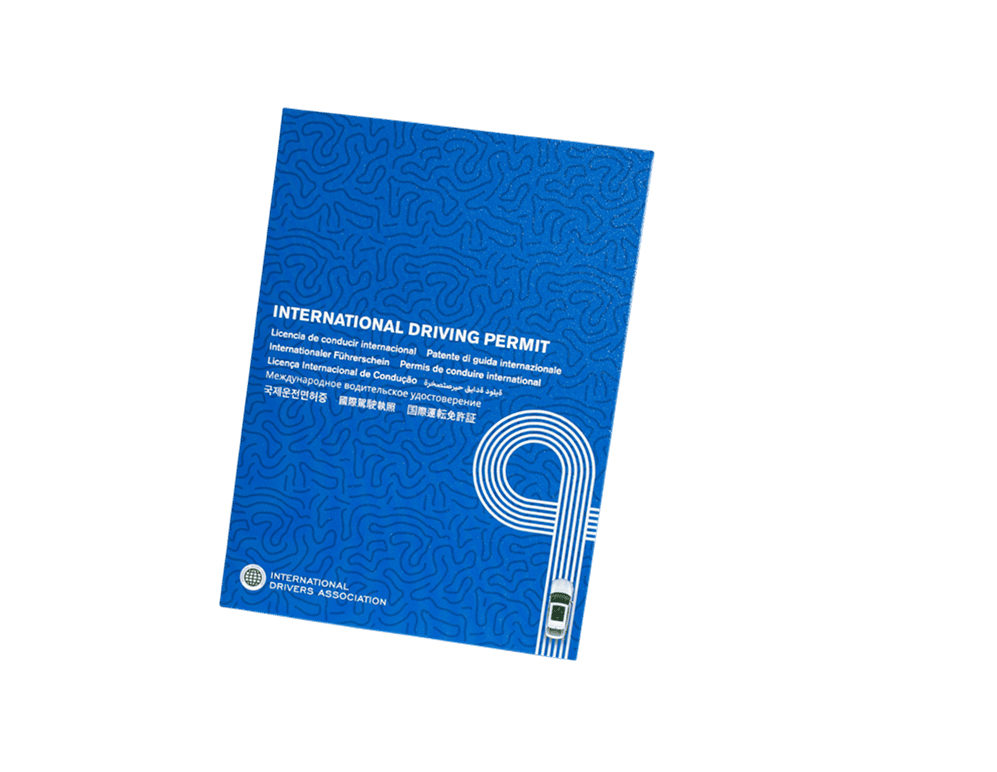
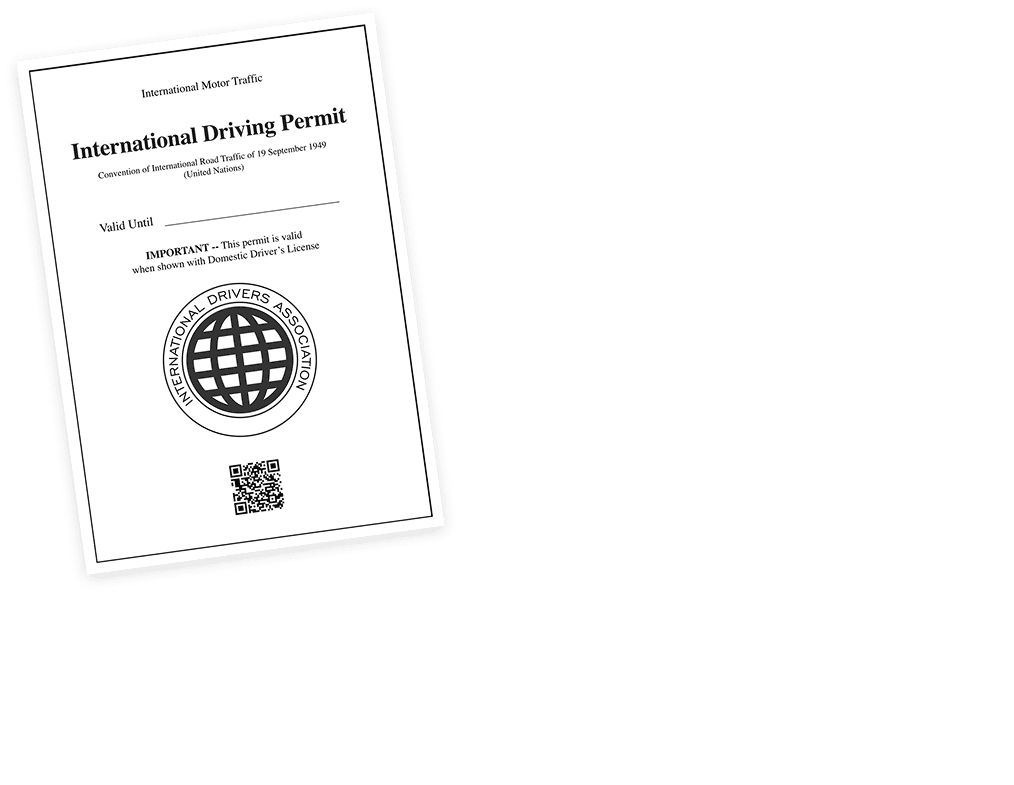
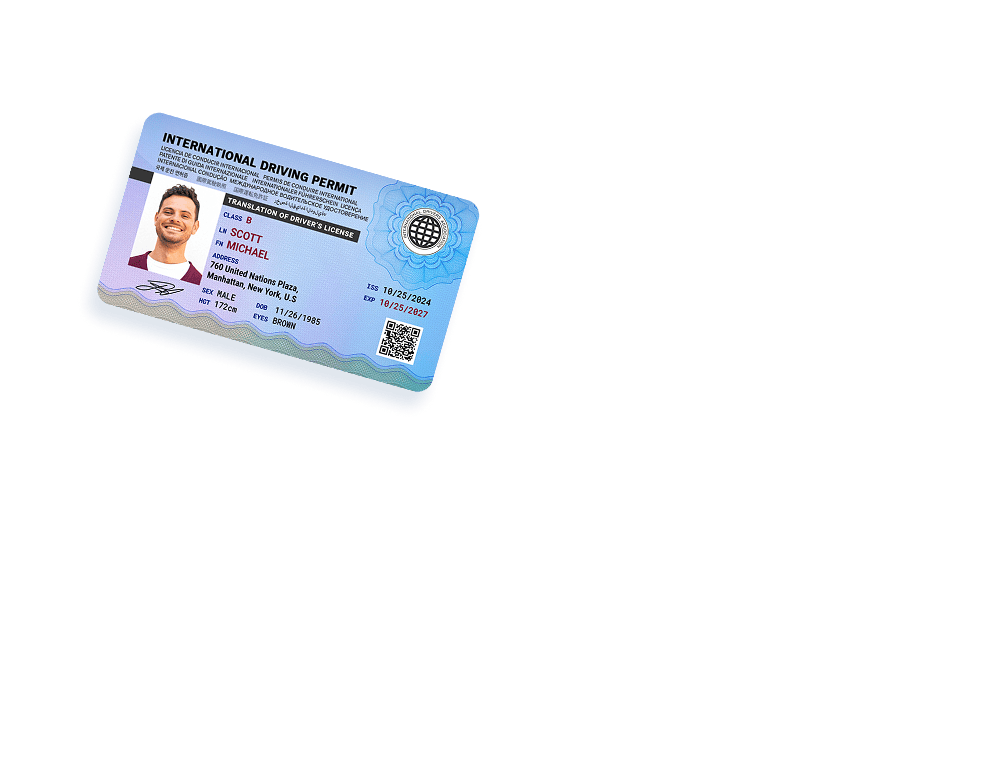
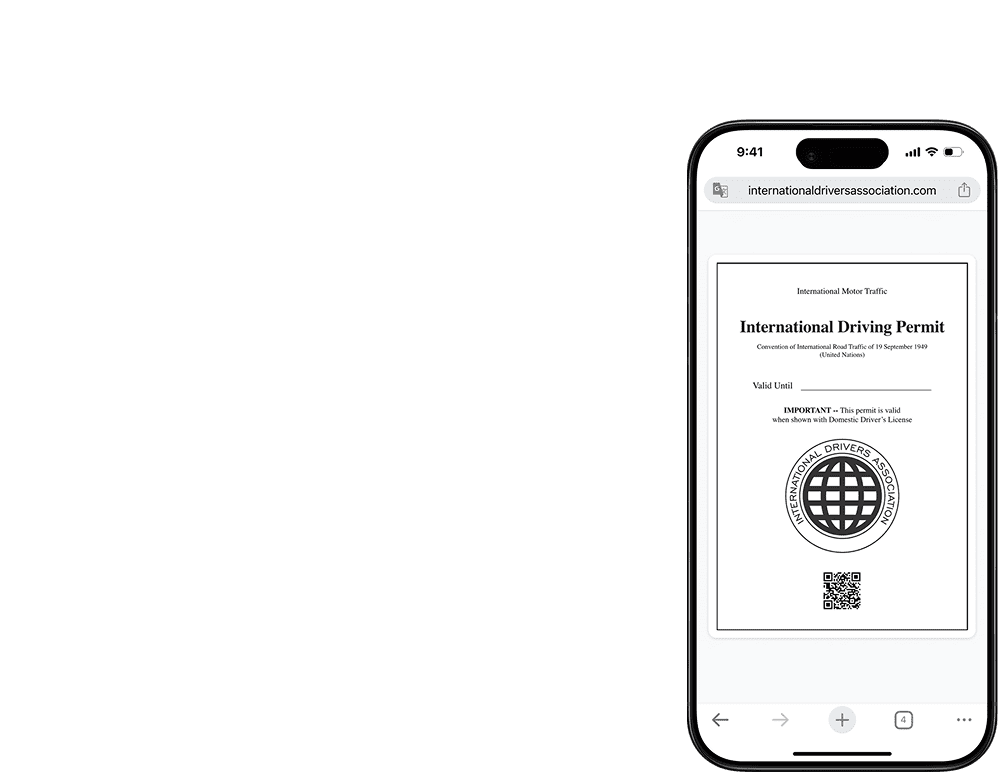
Global Coverage
Print + Digital | 3-Year Validity
$79
$149







Tuvalu allows foreign nationals to drive for up to one year from entry with a recognized International Driving Permit alongside their valid domestic license. Issuing authority recognition matters here, confirm yours is accepted before driving.
| Driver type | Requirement | Notes |
|---|---|---|
| Tourist / short-term visitor | Required in most cases | Carry original license at all times |
| Rental car driver | Commonly required | Verify issuing authority with your rental company |
| Long-term foreign resident | Different rules apply | After 1 year, a local license may be needed |
| Mutually recognized license holder | May be exempt | Depends on home country agreement |
Make sure you meet the eligibility requirements and have the following documents ready before you start.
All it takes is what’s already in your wallet
You must meet every condition below
For your information, there is no such thing as an international driver’s license. The accurate document that is used to translate your home country driver’s license into English or 12 of the most widely used languages in the world is called an International Driver’s Permit (IDP).
The International Driving Permit is a document that was agreed upon by the United Nations according to the Vienna Convention on Road Traffic. This document will enable visiting tourists to drive a motor vehicle in another foreign country without the need of getting a National Driver’s License for that country. However, you must remember that it is not a standalone document.
An International Driving Permit is a document that will only support your valid driver's license by translating its information. Therefore it can be applied in these situations:
Our International Driving Permit is recognized in over 165+ countries worldwide including the following:
Getting an International Driving Permit from us is fairly easy. All you need to do is follow these steps:
Tuvalu is an island nation belonging to the Oceania continent in the South Pacific that is part of the British Commonwealth. Its nine islands are tiny, sparsely populated atolls and reef islands with palm-fringed beaches and WWII relics.
The biggest atoll is Funafuti, and it is where you’ll find Fongafale, the central business area in the country, and the location of the international airport. Flights to Tuvalu are very limited and occur just a few times a week. So if you visit the country, it would be best to stay for more than a week. Plus, with all the sites to see and experience in Tuvalu, a few days wouldn’t really be enough.
The Funafuti Conservation Area (FCA) is the most visited tourist destination in Tuvalu. It covers about 20% of the reef area in the entire Funafuti Lagoon, and it also has a couple of ecologically significant islets or “Motus” within its jurisdiction. The area was declared a protected area in 1999, and it has successfully protected various keystone wildlife, including the Green Sea Turtle, corals, and different species of birds.
When you visit the Funafuti Conservation Area, you go birdwatching, have a picnic by the beach, or go snorkeling to see if you can find the green sea turtles and might manta rays. Some of the islets are also nesting grounds for the green sea turtle, so if you want to watch them hatch, maybe volunteer at the Funafuti Conservation Area.
As the capital of Tuvalu, you can find plenty of things to do within Funafuti Atoll. The atoll alone consists of several islets where you can cross to during the low tide. Funafuti is where you’ll find the international airport, the stadium, community entertainment centers, and shopping marts. It is also where the country’s longest highway is located, and a road trip from end to end is an experience that you shouldn’t miss.
The Tuvalu International Airport is also one of the few international airports in the world that can be utilized by the public for random activities. Since flights only happen a few times a week, people would play sports on the runway. You can join in if you want to since games on the runway are just one of the pastimes.
If you want to explore the culture as well, you can visit the market, try Tuvaluan delicacies and join the celebrations filled with singing and dancing. Tuvaluan women are great at making handicrafts, and you can buy some (apart from the stamps) for souvenirs.
Nanumanga is a 3km2 island a few nautical miles away from Funafuti. It is of utmost interest because of its underwater caves that were once unsubmerged. Natives lived in those caves and left various artifacts that have since been preserved. This discovery has made a sublime interest in the changing seawater levels within Tuvalu and the entire world. If you have a SCUBA diving license that allows you to go cave diving, seeing the Nanumanga underwater caves are a must.
Nanumea is the farthest atoll from Funafuti. It is the northernmost atoll of Tuvalu, and it is about 600 meters wide. Nanumea played a significant role during World War II. Since it was the nearest island to Kiribati (where Japanese bases were located), it became a bomber base for the U.S. forces. Since it is an atoll, there is a lagoon in the middle where you can swim.
The dry portion of the Nanumea Atoll is filled with dense vegetation. It is an inhabited island with less than a thousand people, so you’ll also get to meet the locals when you visit Nanumea. Apart from seeing the vibrant marine life around the atoll, you can also see remnants of World War II in the area. You can ask locals to point you to where these WWII wrecks are or just explore the island and find them yourself.
There are very few paved roads in Tuvalu, and these are mainly located on the main atoll of Funafuti, especially on Fongafale and Funafala islands. Even in Fongafale, where most of the businesses are, there are not many roads. However, there are some driving rules in Tuvalu that everyone has to follow, set by the government.
These driving rules in Tuvalu are all based on the Traffic Act. If you are caught breaking any of these rules, you will have to pay a fine. You could also go to prison, depending on what you did wrong. You must pay the fine and might spend some time in jail. This could be why people in Tuvalu always drive carefully - the penalties are very strong!
It’s easy to disregard drunk-driving laws, especially when you are in a remote area. However, avoid assuming this in Tuvalu because the police conduct random breath tests to the public. They conduct breath testing either via checkpoints or through mobile patrolling. The maximum blood alcohol concentration allowed in the country is only 0.08%. If you are caught driving any vehicle (including non-motorized vehicles) while intoxicated beyond these limits, you will be liable to a fine of $200 and imprisonment of one (1) year.
Once you collide with another road user because you are intoxicated while driving, additional liabilities will be imposed upon you. So before enjoying that delicious fermented coconut drink by the beach, remember to drink moderately or allow some time to sober down before driving. Considering that you’ll be driving a motorcycle, the risks of accidents from being intoxicated are very high as compared to driving a four-wheel-vehicle because alcohol reduces your sense of balance.
There is only one main highway in Tuvalu, and it is located in the capital atoll of Funafuti. The highway only features one(1) carriageway with lanes that could fit only one (1) full-sized bus in each direction. Basically, the roads in Tuvalu are very narrow. Wherever you are driving, make sure to always drive on the left side of the road, even when you are driving on non-paved roads. Road markings and traffic signs are also very few in the country, so you’ll just have to memorize the basic rules by heart.
For your information, there is no such thing as an international driver’s license. The accurate document that is used to translate your home country driver’s license into English or 12 of the most widely used languages in the world is called an International Driver’s Permit (IDP).
The International Driving Permit is a document that was agreed upon by the United Nations according to the Vienna Convention on Road Traffic. This document will enable visiting tourists to drive a motor vehicle in another foreign country without the need of getting a National Driver’s License for that country. However, you must remember that it is not a standalone document.
An International Driving Permit is a document that will only support your valid driver's license by translating its information. Therefore it can be applied in these situations:
Our International Driving Permit is recognized in over 165+ countries worldwide including the following:
Getting an International Driving Permit from us is fairly easy. All you need to do is follow these steps:
Tuvalu is an island nation belonging to the Oceania continent in the South Pacific that is part of the British Commonwealth. Its nine islands are tiny, sparsely populated atolls and reef islands with palm-fringed beaches and WWII relics.
The biggest atoll is Funafuti, and it is where you’ll find Fongafale, the central business area in the country, and the location of the international airport. Flights to Tuvalu are very limited and occur just a few times a week. So if you visit the country, it would be best to stay for more than a week. Plus, with all the sites to see and experience in Tuvalu, a few days wouldn’t really be enough.
The Funafuti Conservation Area (FCA) is the most visited tourist destination in Tuvalu. It covers about 20% of the reef area in the entire Funafuti Lagoon, and it also has a couple of ecologically significant islets or “Motus” within its jurisdiction. The area was declared a protected area in 1999, and it has successfully protected various keystone wildlife, including the Green Sea Turtle, corals, and different species of birds.
When you visit the Funafuti Conservation Area, you go birdwatching, have a picnic by the beach, or go snorkeling to see if you can find the green sea turtles and might manta rays. Some of the islets are also nesting grounds for the green sea turtle, so if you want to watch them hatch, maybe volunteer at the Funafuti Conservation Area.
As the capital of Tuvalu, you can find plenty of things to do within Funafuti Atoll. The atoll alone consists of several islets where you can cross to during the low tide. Funafuti is where you’ll find the international airport, the stadium, community entertainment centers, and shopping marts. It is also where the country’s longest highway is located, and a road trip from end to end is an experience that you shouldn’t miss.
The Tuvalu International Airport is also one of the few international airports in the world that can be utilized by the public for random activities. Since flights only happen a few times a week, people would play sports on the runway. You can join in if you want to since games on the runway are just one of the pastimes.
If you want to explore the culture as well, you can visit the market, try Tuvaluan delicacies and join the celebrations filled with singing and dancing. Tuvaluan women are great at making handicrafts, and you can buy some (apart from the stamps) for souvenirs.
Nanumanga is a 3km2 island a few nautical miles away from Funafuti. It is of utmost interest because of its underwater caves that were once unsubmerged. Natives lived in those caves and left various artifacts that have since been preserved. This discovery has made a sublime interest in the changing seawater levels within Tuvalu and the entire world. If you have a SCUBA diving license that allows you to go cave diving, seeing the Nanumanga underwater caves are a must.
Nanumea is the farthest atoll from Funafuti. It is the northernmost atoll of Tuvalu, and it is about 600 meters wide. Nanumea played a significant role during World War II. Since it was the nearest island to Kiribati (where Japanese bases were located), it became a bomber base for the U.S. forces. Since it is an atoll, there is a lagoon in the middle where you can swim.
The dry portion of the Nanumea Atoll is filled with dense vegetation. It is an inhabited island with less than a thousand people, so you’ll also get to meet the locals when you visit Nanumea. Apart from seeing the vibrant marine life around the atoll, you can also see remnants of World War II in the area. You can ask locals to point you to where these WWII wrecks are or just explore the island and find them yourself.
There are very few paved roads in Tuvalu, and these are mainly located on the main atoll of Funafuti, especially on Fongafale and Funafala islands. Even in Fongafale, where most of the businesses are, there are not many roads. However, there are some driving rules in Tuvalu that everyone has to follow, set by the government.
These driving rules in Tuvalu are all based on the Traffic Act. If you are caught breaking any of these rules, you will have to pay a fine. You could also go to prison, depending on what you did wrong. You must pay the fine and might spend some time in jail. This could be why people in Tuvalu always drive carefully - the penalties are very strong!
It’s easy to disregard drunk-driving laws, especially when you are in a remote area. However, avoid assuming this in Tuvalu because the police conduct random breath tests to the public. They conduct breath testing either via checkpoints or through mobile patrolling. The maximum blood alcohol concentration allowed in the country is only 0.08%. If you are caught driving any vehicle (including non-motorized vehicles) while intoxicated beyond these limits, you will be liable to a fine of $200 and imprisonment of one (1) year.
Once you collide with another road user because you are intoxicated while driving, additional liabilities will be imposed upon you. So before enjoying that delicious fermented coconut drink by the beach, remember to drink moderately or allow some time to sober down before driving. Considering that you’ll be driving a motorcycle, the risks of accidents from being intoxicated are very high as compared to driving a four-wheel-vehicle because alcohol reduces your sense of balance.
There is only one main highway in Tuvalu, and it is located in the capital atoll of Funafuti. The highway only features one(1) carriageway with lanes that could fit only one (1) full-sized bus in each direction. Basically, the roads in Tuvalu are very narrow. Wherever you are driving, make sure to always drive on the left side of the road, even when you are driving on non-paved roads. Road markings and traffic signs are also very few in the country, so you’ll just have to memorize the basic rules by heart.
Join thousands of satisfied travelers who trust us for their international driving permits
Full refund if not accepted anywhere, plus unlimited free replacements.
Best Value

Maximum coverage – includes everything you might need abroad

Instant Peace of Mind – Ready for Download in Minutes
Find answers to common queries and get the information you need quickly and easily.
An International Driving Permit is a requirement to drive or rent a car in most foreign countries.