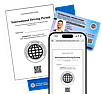

Documents needed
All it takes is what’s already in your wallet
- Valid domestic driver’s license
- Passport-style photo
- Valid government-issued ID
- Completed online application



Your license instantly translated and valid in 189+ countries. Travel freely to multiple destinations with a single permit — use in unlimited countries during validity period.
Recognized for 1 year here. Your IDP stays valid for its full term in 189+ other destinations.
An International Driving Permit is not officially recognized in this country.
Start your application
Takes less than 2 minutes to complete
Recognized for 1 year here. Your IDP stays valid for its full term in 189+ other destinations.
An International Driving Permit is not officially recognized in this country. Please check local driving regulations.
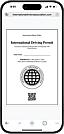
Limited Coverage
Digital Only | 1-Year Validity
$49
Recommended
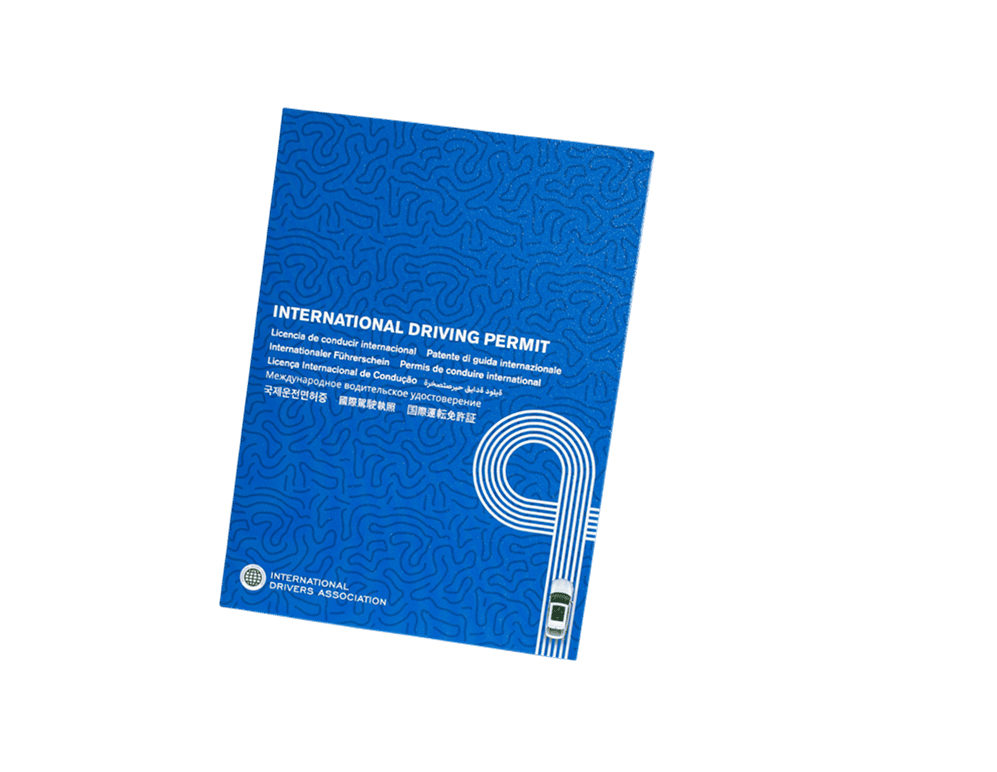
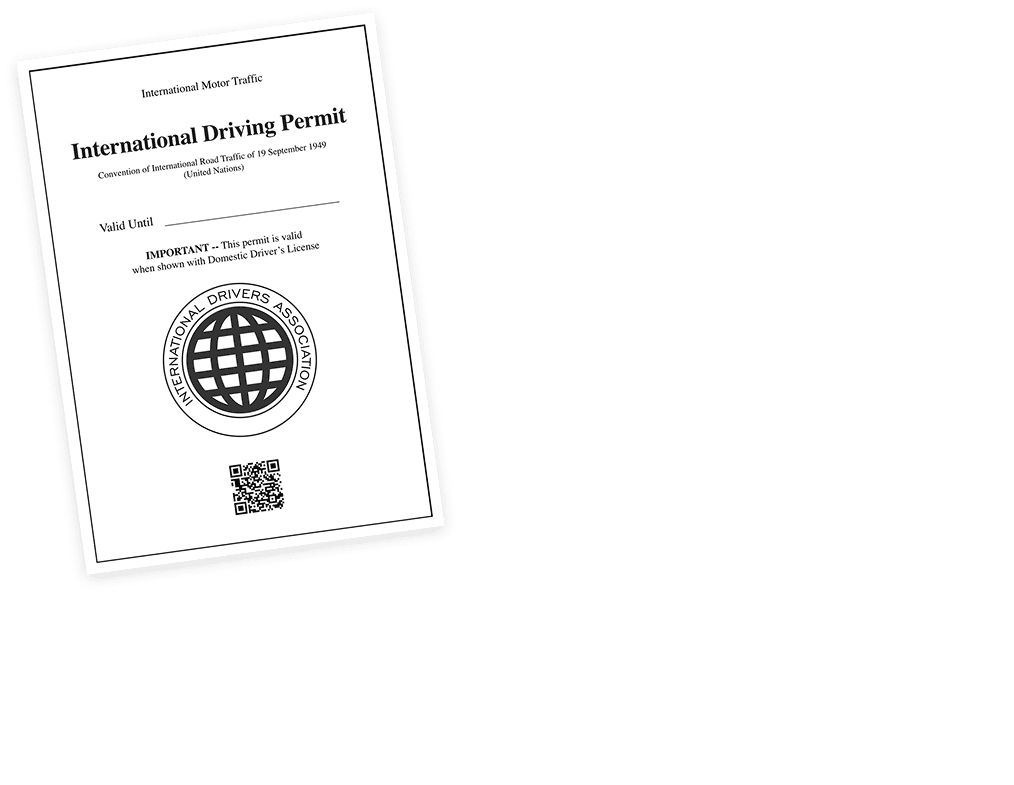
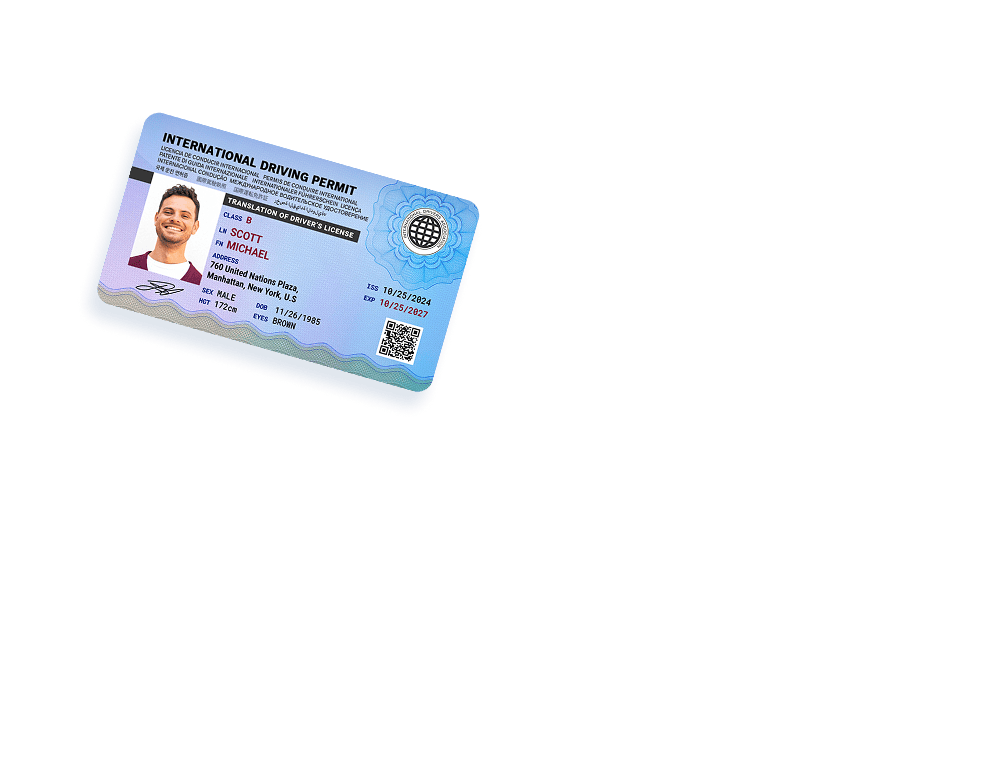
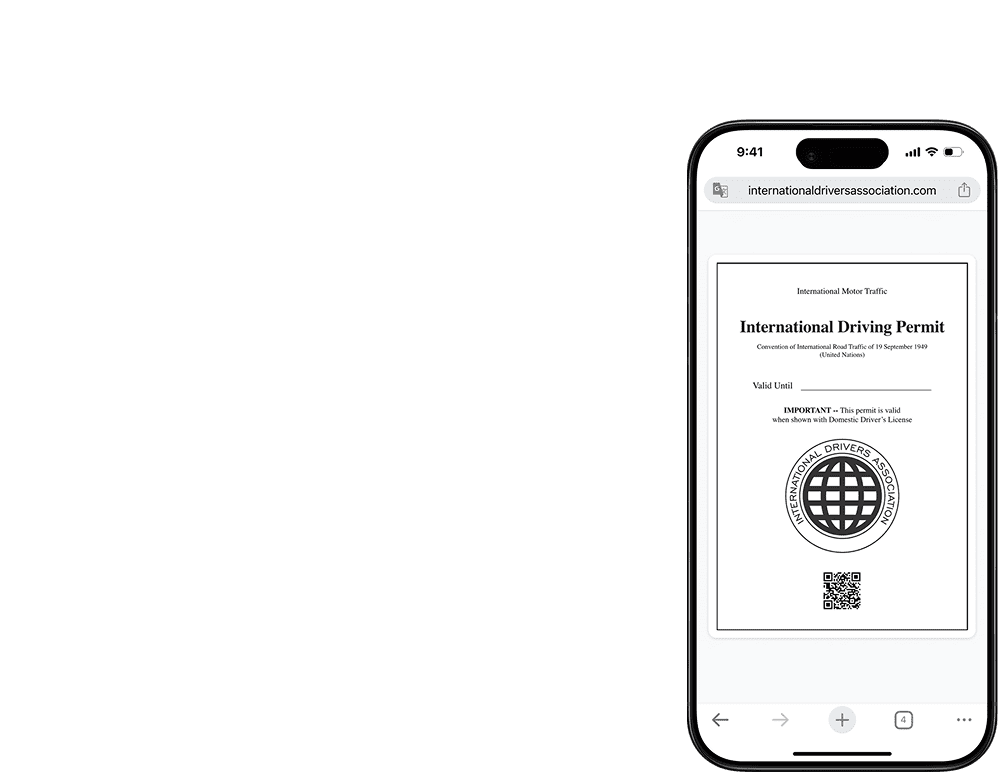
Global Coverage
Print + Digital | 3-Year Validity
$79
$149







Liechtenstein allows foreign nationals to drive for up to one year from entry with a recognized International Driving Permit alongside their valid domestic license. Issuing authority recognition matters here, confirm yours is accepted before driving.
| Driver type | Requirement | Notes |
|---|---|---|
| Tourist / short-term visitor | Required in most cases | Carry original license at all times |
| Rental car driver | Commonly required | Verify issuing authority with your rental company |
| Long-term foreign resident | Different rules apply | After 1 year, a local license may be needed |
| Mutually recognized license holder | May be exempt | Depends on home country agreement |
Make sure you meet the eligibility requirements and have the following documents ready before you start.
All it takes is what’s already in your wallet
You must meet every condition below
There is no such thing as an International Driver’s License. What is being used as a document that's highly recommended to drive in another country is an International Driving Permit (IDP).
An International Driving Permit is a document that translates a tourist’s valid National Driver’s License into 12 of the widely spoken languages worldwide.
In order to get your International Driving Permit processed, you only need to follow these steps:
Yes, it is possible to rent a motor vehicle in the country. However, you must make sure that you pass the minimum age required. It does not matter if you are coming from one of the European countries and your home country’s driving age for the motorists is less than the average age required in most countries, the road rules that you must follow are of that country.
An International Driving License does not exist. The document which is used to translate your home country driver’s license is called an International Driving Permit. Our International Driving Permit is recognized in 165+ countries including the following:
One of Europe’s best-kept secret skiing destinations, the ski resort in Malbun, Liechtenstein is located 1,600 meters (5,249 feet) above sea level, just two kilometers from the Austrian border. Set in the stunning beauty of the Alpine mountains, the slopes here are comparable with the best of what other ski resorts in the Alps can offer. Downhill is about 23 kilometers long and caters to skiers and snowboarders of all abilities. Seven ski lifts are available for guests to take them up the slope.
The Malbun ski resort also has a snow park, where your kids can enjoy an actual winter wonderland. Beginners of all ages can also try out the snow park’s courses. More advanced skiers and snowboarders can also enjoy the slopes and obstacles. The resort is a small one compared with other ski resorts in the Alps, with only a handful of hotels amid the private homes and chalets. The ski resort is open from December to April.
How to get there?
The closest major airport to Malbun is the Zurich International Airport in Switzerland. From there, you can drive your car on the excellent Swiss motorway system through the border of Liechtenstein. The distance is about 125 kilometers and will take you about an hour and a half of driving. If you’re looking for a closer airport, there is an airport located in Friedrichshafen, Germany near Lake Constance. The airport, however, is small and flights are limited.
From Vaduz, it is only 15 kilometers via Landstrasse. The road up on the mountain is narrow in some places and allows only one vehicle to pass, but you’ll be treated with a stunning view of the capital and other nearby areas below. The drive takes about 15 minutes.
When you arrive, you will be welcomed by the resort’s friendly staff, and unlike the more popular ski resorts, there are no crowds. Just a serene, idyllic mountain getaway where you can ski and have fun with your family and friends.
What are facts about the destination?
It is interesting to note that in 1985, Princess Diana and Prince Charles went on a skiing holiday here in Malbun. And in 1968, the Swiss Army threw (accidentally) five grenades at Malbun. Thankfully, no one was hurt, except for a few ski chairs. It happened apparently during the off-season.
The castle rests on the side of a hill, around which are imposing snow-capped mountains overlooking Vaduz the capital, a symbol of the country’s medieval past. It’s hard to miss; visitors can see Schloss Vaduz even from Switzerland. Historians believe that the castle was originally a fortress built in the 12th century. The castle came into the possession of the current Prince’s ancestors in 1712.
What is its Historical Significance?
The west wing served as the family’s official residence until 1732; the castle has undergone renovations several times over the years since then. In the early 1930s, the castle was extended under Prince Franz Josef II. In 1939, the Prince and his family moved and made Schloss Vaduz the official residence of the ruling family. Today, the castle is still the official residence of the current prince, Prince Hans-Adam II and his family.
A trip to the Principality won’t be complete without a visit to the 900-year-old castle. It is said that the castle is filled with priceless works of art, but the family sold a few after World War II to raise money for the cash-strapped Principality. That was then; the Principality is now among the wealthiest countries in the world.
The 130-room castle is divided into different apartments for the royal family’s use. There is also a private chapel inside the castle, where the family attends weekly mass – the country’s official religion is Roman Catholic, after all. This is also the venue where the cabinet members of Liechtenstein are sworn in.
What is it famous for?
Visitors can only see the castle’s exterior since the castle is not open to the public. Except for one day of the year - on Liechtenstein’s National Day or Staatsfeiertag, every August 15. Locals and visitors lucky enough to be given a ticket are invited inside the castle grounds to mingle with the royal family. This much-anticipated event is popular not only among the locals but with tourists as well.
The National Day usually begins with an official reception on the lawn in the castle’s garden, with speeches by the Prince and the president of the parliament. This is followed by drinks in the garden. In the afternoon, there is a large fair in the center of Vaduz, which continues until the early hours of the morning. The festivities are concluded in the evening with a fireworks display above the Vaduz Castle.
You may not be among the lucky ticket holders to hobnob with the affable Prince, but the castle is still a must for any visitor. It is a mere 2-kilometer away from the city via 28 and Furst-Franz-Josef-Strasse - just a 4-minute uphill drive. At the top is the castle and the sweeping view of the city; and beyond, the stunning vista of the Rhine River and the Swiss Alps. Don't forget to bring snow chains if you're driving during winter.
Another “must visit” is the Hofkellerei des Fursten von Liechtenstein, or the Wine Cellar of the Prince of Liechtenstein. Located about a kilometer away from the city center, wine enthusiasts should definitely pay a visit to this winery. The winery is home to the Herawingert vineyards, one of the most well-regarded vineyards in the Rhine Valley.
The winery is open to the public all year, from Monday to Saturday. They’re closed on Sundays, like most of the businesses in the country. Visitors can go on a guided tour through the vineyards, observe the wine-making process, and taste the best wines the Hofkellerei has to offer. There isn’t any bad time of the year to visit the vineyard, as the winery is open even during winter.
You and your group can visit anytime between 8 am to 6 pm, but come at least an hour before closing time. Groups of 10 or more should make a reservation before dropping in to give the winery staff sufficient time to prepare.
What is it famous for?
Measuring about four hectares, the vineyard’s location has a mild climate and the warm, southerly wind called the “föhn,” known as the “grape-cooker,'' gives the area a climate well-suited for wine-growing. This area has been producing wine for two thousand years and has been in the Prince’s family since 1712. Its excellent quality of soil is ideal for growing Pinot Noir and Chardonnay.
The winery’s Pinot Noir, known locally as Blauburgunder or Blue Burgundy, is particularly famous for its refinement, like its Chardonnay. So don’t forget to bring home a few bottles of these rare and exceptional wines. They are not available to purchase elsewhere, except for a few specialty wine shops in Switzerland.
During April, the winery hosts Wine Tasting ceremonies with great pomp, where locals taste the new wines from the last harvest. At the start of the grape harvesting season in autumn, locals are invited to be grape pickers where they take great pride in hand-picking the year’s harvest, which lasts for a few days. After the harvest, they all sit down to dinner, eating, and drinking wines from earlier harvests.
This region has been producing wine for two thousand years, a tradition began by Celtic tribes that had settled in the area. The tradition continued down the ages, until the area, including the winery, was acquired by the current Prince’s ancestors. Today, the winery is popular for its white wines like Chardonnay, and its red wines like the Blauburgunder. Liechtenstein today is regarded as the world’s smallest wine-producing country.
Always remember to obey the driving rules when you're in a different country. It's good to know what you can and can't do when you're driving somewhere new. You wouldn't want to feel awkward, right? Driving rules are there to keep everyone safe on the road, so it's key to stick to them. For example, in Liechtenstein, the driving rules say you need to drive on the right side.
One of Europe’s best-kept secret skiing destinations, the ski resort in Malbun, Liechtenstein is located 1,600 meters (5,249 feet) above sea level, just two kilometers from the Austrian border. Set in the stunning beauty of the Alpine mountains, the slopes here are comparable with the best of what other ski resorts in the Alps can offer. Downhill is about 23 kilometers long and caters to skiers and snowboarders of all abilities. Seven ski lifts are available for guests to take them up the slope.
The Malbun ski resort also has a snow park, where your kids can enjoy an actual winter wonderland. Beginners of all ages can also try out the snow park’s courses. More advanced skiers and snowboarders can also enjoy the slopes and obstacles. The resort is a small one compared with other ski resorts in the Alps, with only a handful of hotels amid the private homes and chalets. The ski resort is open from December to April.
How to get there?
The closest major airport to Malbun is the Zurich International Airport in Switzerland. From there, you can drive your car on the excellent Swiss motorway system through the border of Liechtenstein. The distance is about 125 kilometers and will take you about an hour and a half of driving. If you’re looking for a closer airport, there is an airport located in Friedrichshafen, Germany near Lake Constance. The airport, however, is small and flights are limited.
From Vaduz, it is only 15 kilometers via Landstrasse. The road up on the mountain is narrow in some places and allows only one vehicle to pass, but you’ll be treated with a stunning view of the capital and other nearby areas below. The drive takes about 15 minutes.
When you arrive, you will be welcomed by the resort’s friendly staff, and unlike the more popular ski resorts, there are no crowds. Just a serene, idyllic mountain getaway where you can ski and have fun with your family and friends.
What are facts about the destination?
It is interesting to note that in 1985, Princess Diana and Prince Charles went on a skiing holiday here in Malbun. And in 1968, the Swiss Army threw (accidentally) five grenades at Malbun. Thankfully, no one was hurt, except for a few ski chairs. It happened apparently during the off-season.
The castle rests on the side of a hill, around which are imposing snow-capped mountains overlooking Vaduz the capital, a symbol of the country’s medieval past. It’s hard to miss; visitors can see Schloss Vaduz even from Switzerland. Historians believe that the castle was originally a fortress built in the 12th century. The castle came into the possession of the current Prince’s ancestors in 1712.
What is its Historical Significance?
The west wing served as the family’s official residence until 1732; the castle has undergone renovations several times over the years since then. In the early 1930s, the castle was extended under Prince Franz Josef II. In 1939, the Prince and his family moved and made Schloss Vaduz the official residence of the ruling family. Today, the castle is still the official residence of the current prince, Prince Hans-Adam II and his family.
A trip to the Principality won’t be complete without a visit to the 900-year-old castle. It is said that the castle is filled with priceless works of art, but the family sold a few after World War II to raise money for the cash-strapped Principality. That was then; the Principality is now among the wealthiest countries in the world.
The 130-room castle is divided into different apartments for the royal family’s use. There is also a private chapel inside the castle, where the family attends weekly mass – the country’s official religion is Roman Catholic, after all. This is also the venue where the cabinet members of Liechtenstein are sworn in.
What is it famous for?
Visitors can only see the castle’s exterior since the castle is not open to the public. Except for one day of the year - on Liechtenstein’s National Day or Staatsfeiertag, every August 15. Locals and visitors lucky enough to be given a ticket are invited inside the castle grounds to mingle with the royal family. This much-anticipated event is popular not only among the locals but with tourists as well.
The National Day usually begins with an official reception on the lawn in the castle’s garden, with speeches by the Prince and the president of the parliament. This is followed by drinks in the garden. In the afternoon, there is a large fair in the center of Vaduz, which continues until the early hours of the morning. The festivities are concluded in the evening with a fireworks display above the Vaduz Castle.
You may not be among the lucky ticket holders to hobnob with the affable Prince, but the castle is still a must for any visitor. It is a mere 2-kilometer away from the city via 28 and Furst-Franz-Josef-Strasse - just a 4-minute uphill drive. At the top is the castle and the sweeping view of the city; and beyond, the stunning vista of the Rhine River and the Swiss Alps. Don't forget to bring snow chains if you're driving during winter.
Another “must visit” is the Hofkellerei des Fursten von Liechtenstein, or the Wine Cellar of the Prince of Liechtenstein. Located about a kilometer away from the city center, wine enthusiasts should definitely pay a visit to this winery. The winery is home to the Herawingert vineyards, one of the most well-regarded vineyards in the Rhine Valley.
The winery is open to the public all year, from Monday to Saturday. They’re closed on Sundays, like most of the businesses in the country. Visitors can go on a guided tour through the vineyards, observe the wine-making process, and taste the best wines the Hofkellerei has to offer. There isn’t any bad time of the year to visit the vineyard, as the winery is open even during winter.
You and your group can visit anytime between 8 am to 6 pm, but come at least an hour before closing time. Groups of 10 or more should make a reservation before dropping in to give the winery staff sufficient time to prepare.
What is it famous for?
Measuring about four hectares, the vineyard’s location has a mild climate and the warm, southerly wind called the “föhn,” known as the “grape-cooker,'' gives the area a climate well-suited for wine-growing. This area has been producing wine for two thousand years and has been in the Prince’s family since 1712. Its excellent quality of soil is ideal for growing Pinot Noir and Chardonnay.
The winery’s Pinot Noir, known locally as Blauburgunder or Blue Burgundy, is particularly famous for its refinement, like its Chardonnay. So don’t forget to bring home a few bottles of these rare and exceptional wines. They are not available to purchase elsewhere, except for a few specialty wine shops in Switzerland.
During April, the winery hosts Wine Tasting ceremonies with great pomp, where locals taste the new wines from the last harvest. At the start of the grape harvesting season in autumn, locals are invited to be grape pickers where they take great pride in hand-picking the year’s harvest, which lasts for a few days. After the harvest, they all sit down to dinner, eating, and drinking wines from earlier harvests.
This region has been producing wine for two thousand years, a tradition began by Celtic tribes that had settled in the area. The tradition continued down the ages, until the area, including the winery, was acquired by the current Prince’s ancestors. Today, the winery is popular for its white wines like Chardonnay, and its red wines like the Blauburgunder. Liechtenstein today is regarded as the world’s smallest wine-producing country.
Always remember to obey the driving rules when you're in a different country. It's good to know what you can and can't do when you're driving somewhere new. You wouldn't want to feel awkward, right? Driving rules are there to keep everyone safe on the road, so it's key to stick to them. For example, in Liechtenstein, the driving rules say you need to drive on the right side.
Join thousands of satisfied travelers who trust us for their international driving permits
Full refund if not accepted anywhere, plus unlimited free replacements.
Best Value
Maximum coverage – includes everything you might need abroad

Instant Peace of Mind – Ready for Download in Minutes
Find answers to common queries and get the information you need quickly and easily.
An International Driving Permit is a requirement to drive or rent a car in most foreign countries.