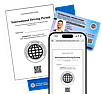

Documents needed
All it takes is what’s already in your wallet
- Valid domestic driver’s license
- Passport-style photo
- Valid government-issued ID
- Completed online application



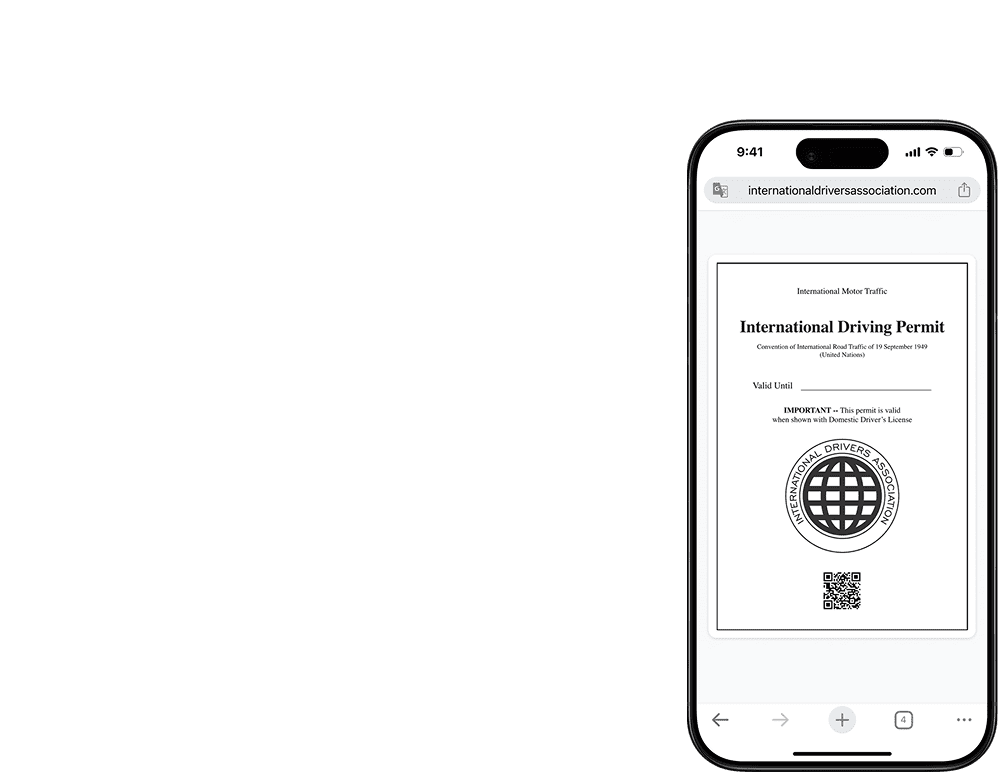
Your license instantly translated and valid in 189+ countries. Travel freely to multiple destinations with a single permit — use in unlimited countries during validity period.
Recognized for 1 year here. Your IDP stays valid for its full term in 189+ other destinations.
An International Driving Permit is not officially recognized in this country.
Start your application
Takes less than 2 minutes to complete
Recognized for 1 year here. Your IDP stays valid for its full term in 189+ other destinations.
An International Driving Permit is not officially recognized in this country. Please check local driving regulations.

Limited Coverage
Digital Only | 1-Year Validity
$49
Recommended
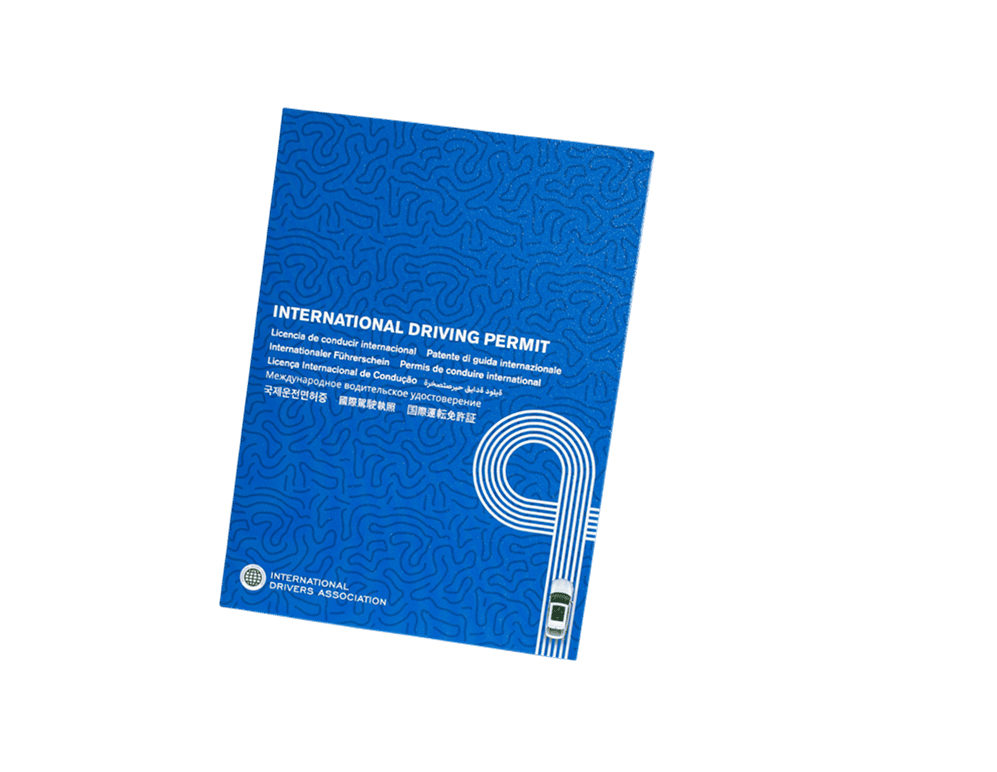
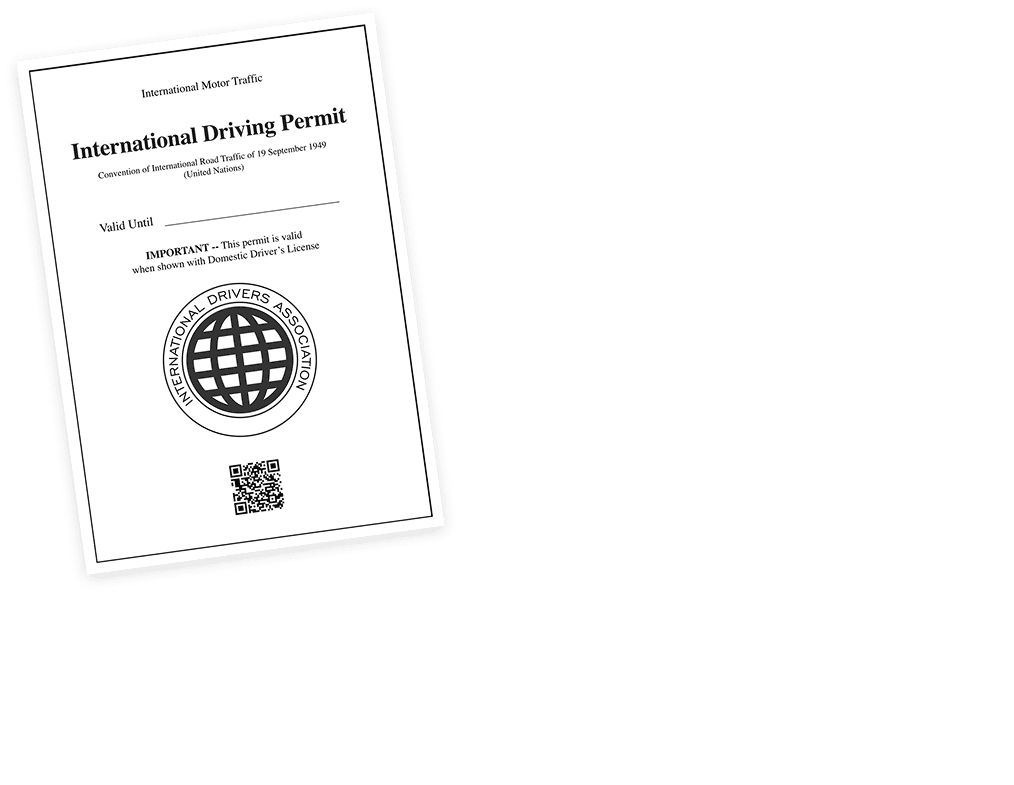
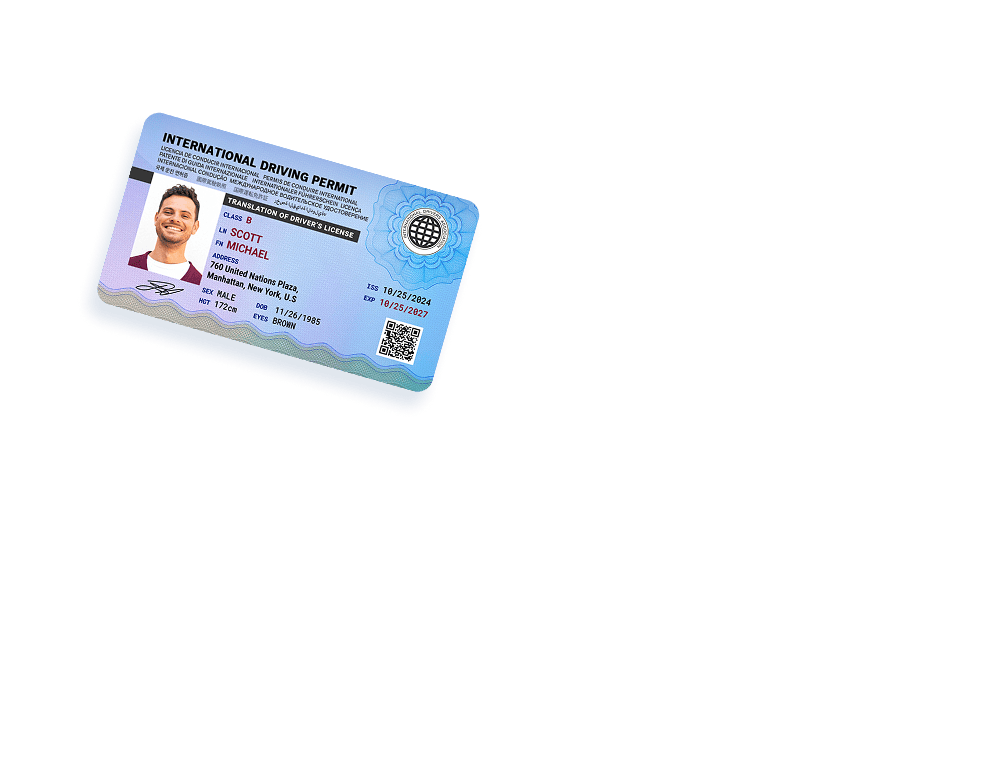
Global Coverage
Print + Digital | 3-Year Validity
$79
$149







Haiti allows foreign nationals to drive for up to one year from entry with a recognized International Driving Permit alongside their valid domestic license. Issuing authority recognition matters here, confirm yours is accepted before driving.
| Driver type | Requirement | Notes |
|---|---|---|
| Tourist / short-term visitor | Required in most cases | Carry original license at all times |
| Rental car driver | Commonly required | Verify issuing authority with your rental company |
| Long-term foreign resident | Different rules apply | After 1 year, a local license may be needed |
| Mutually recognized license holder | May be exempt | Depends on home country agreement |
Make sure you meet the eligibility requirements and have the following documents ready before you start.
All it takes is what’s already in your wallet
You must meet every condition below
An International driving permit is required in Haiti. The International Driving Permit is used to overcome language barriers between the authorities and motorists and when renting a car from car rental companies. Your International Driving Permit must be issued from your home country to be considered valid.
If your driver’s license is issued from countries that signed the 1949 Geneva Convention, it is accepted in Haiti. The following are the countries that signed the Geneva Convention:
You can get an international driving license for Haiti from a transport agency in your home country or online. If you’re applying for an international driving license online, the application process is quite simple. Just fill out the application form and submit the required documents.
Located in the Caribbean, Haiti is a country that occupies the western part of Hispaniola. Although mostly known for its natural disasters and crime rates as sensationalized by the media, Haiti has more to offer. From its white-sand beaches to its majestic historical structures, traveling to Haiti will definitely not be a bore.
Visit Bassin Bleu in the mountainous region of Northwestern Haiti. There you will find a series of three crystal clear pools linked together by waterfalls. The banks, Bassin Clair, Bassin Bleu, and Bassin Palmiste, attract many tourists. Bassin Clair, in particular, is the most beautiful among the three. The spot’s mineral-rich waters, stunning flora, and captivating rapids also attract visitors.
Make sure to drop by during the dry season in Haiti, from November to March, as the pools become muddy during the rainy season. If you want to escape from the bustling city life, then Bassin Bleu is the place for you.
Explore Citadelle Laferrière, a tall looming fortress atop Bonnet à l'Evêque mountain in Nord. It is a UNESCO World Heritage Site built in the late 1800s after Haiti gained its independence from France. The castle appears imposing, with its sturdy walls and canons still in place. But don’t let this intimidate you as it is now a top tourist destination in the country.
If you want to visit the citadel, make sure to drop by during Haiti’s dry season, from November to March. Revel in one of the most majestic historical structures Haiti boasts of, and get lost in its labyrinthine walkways to go back in time and see a bit of the country’s past.
Your trip to the Caribbean will be incomplete if you don’t stop by one of its beaches. Visit Kokoye beach on the southern coast of Haiti to have the perfect island getaway. You can have one of the most relaxing experiences without splurging in a luxury resort. Tourists can opt to do outdoor activities like diving and snorkeling or settle with sunbathing and relaxing by the shores.
The ideal time to visit Kokoye beach would be from November to March, Haiti’s dry season. You’d surely want to avoid the wet season so rain won’t spoil your trip. Be sure to mark your calendars and book your ticket to finally experience Kokoye beach in Haiti.
One of the best things to do when visiting a foreign country is to learn more about its culture, heritage, and history. The Musée du Panthéon National is a museum that showcases much of Haiti’s past. It chronicles the slavery and independence of the people, as well as a bit of modern Haiti. Guests can also see different artifacts from significant periods of Haitian history.
You can visit the museum any time since you can be sheltered from the rain. However, it’s best to visit during the dry season from November to March if you want to take a stroll outside. Make sure to stop by Musée du Panthéon National to see Haiti past what it is today.
Most people wouldn’t expect to see ruins in Haiti, much more remnants of a Palace. The Sans-Souci Palace holds much wonder and history since it used to be the residence of King Henri Christophe I, the only king of Haiti. He also used to be a slave before becoming the sole monarchy of the country. Tourists would surely love to tour around the ruins, especially since it holds ghosts of Haiti’s past.
The Sans-Souci Palace has been a tourist destination ever since the 1842 earthquake caused parts of the structure to crumble. Now, tour guides and vendors line the place to sell local trinkets and share their knowledge about the region. The ideal time to visit the ruins would be from November to March, as you would want to avoid any rainfall in the open field.
If you want to see some of the hidden and obscure wonders of Haiti, visit Saut-Mathurine. It is the largest waterfall in the country; and is used as a source of electricity, thus its occasional drainage. Tourists can marvel at the beauty of the crystal clear waters or enjoy a meal at the restaurant atop. The falls are also surrounded by lush flora, giving it a prehistoric ambiance.
If you want to avoid any rainfall, then the ideal time to visit Saut-Mathurine would be during the dry season, from November to March. If you want peace and tranquility, then this is the best place to visit. Saut-Mathurine is fairly obscure, so you can surely avoid large groups of crowds.
Navigating Haiti's driving rules is a demanding endeavor. This sentiment is echoed widely in travel advisories and amongst experienced travelers. It appears that many locals don't adhere to Haiti driving rules, and the absence of traffic enforcers to manage the highways exacerbates the situation. Given the country's uneven roads and high crime rates, possessing a sound understanding of the road regulations is crucial.
Here are some of the most critical Haiti driving rules you need to remember if you intend to maneuver the challenging terrain of this country.
When driving abroad, besides your passport, the most important document you must always have is your local driver’s license. Without your license, you’ll be considered an unlicensed driver, which is illegal no matter what country you’re in.
Don’t interchange your driver’s license with your International Driving Permit. An International Driving Permit is merely a translation of your license and does not permit you to drive. However, remember that it’s still important to carry an international driver’s permit in Haiti. Every region in the country would require you to bring one, especially if you want to drive around.
Haiti is one of the countries with the most difficult roads to drive on. Local drivers usually don’t have road sense and rarely follow road rules. Many people also drive under the influence and over speed. Animals wandering on the road are not uncommon as well. So to avoid road accidents and violent collisions, always drive defensively in Haiti.
Before you get behind the wheel, make sure you have all the important documents like your passport, driver’s license, and International Driving Permit. Remember that it’s essential to have an International Driver’s License. Entering districts and driving around communes may result in situations where you will be required to present your International Driving Permit. So always have it with you to be safe.
Due to the high crime rate and generally unsafe road conditions, it’s advised to avoid driving at night in Haiti. Many pedestrians tend to walk in the middle of unlit roads, and cars passing by have no lights, nor do they signal other motorists. There are also cases of theft and carjacking in dark areas. So to prevent all of these from happening, refrain from going out at night.
An International driving permit is required in Haiti. The International Driving Permit is used to overcome language barriers between the authorities and motorists and when renting a car from car rental companies. Your International Driving Permit must be issued from your home country to be considered valid.
If your driver’s license is issued from countries that signed the 1949 Geneva Convention, it is accepted in Haiti. The following are the countries that signed the Geneva Convention:
You can get an international driving license for Haiti from a transport agency in your home country or online. If you’re applying for an international driving license online, the application process is quite simple. Just fill out the application form and submit the required documents.
Located in the Caribbean, Haiti is a country that occupies the western part of Hispaniola. Although mostly known for its natural disasters and crime rates as sensationalized by the media, Haiti has more to offer. From its white-sand beaches to its majestic historical structures, traveling to Haiti will definitely not be a bore.
Visit Bassin Bleu in the mountainous region of Northwestern Haiti. There you will find a series of three crystal clear pools linked together by waterfalls. The banks, Bassin Clair, Bassin Bleu, and Bassin Palmiste, attract many tourists. Bassin Clair, in particular, is the most beautiful among the three. The spot’s mineral-rich waters, stunning flora, and captivating rapids also attract visitors.
Make sure to drop by during the dry season in Haiti, from November to March, as the pools become muddy during the rainy season. If you want to escape from the bustling city life, then Bassin Bleu is the place for you.
Explore Citadelle Laferrière, a tall looming fortress atop Bonnet à l'Evêque mountain in Nord. It is a UNESCO World Heritage Site built in the late 1800s after Haiti gained its independence from France. The castle appears imposing, with its sturdy walls and canons still in place. But don’t let this intimidate you as it is now a top tourist destination in the country.
If you want to visit the citadel, make sure to drop by during Haiti’s dry season, from November to March. Revel in one of the most majestic historical structures Haiti boasts of, and get lost in its labyrinthine walkways to go back in time and see a bit of the country’s past.
Your trip to the Caribbean will be incomplete if you don’t stop by one of its beaches. Visit Kokoye beach on the southern coast of Haiti to have the perfect island getaway. You can have one of the most relaxing experiences without splurging in a luxury resort. Tourists can opt to do outdoor activities like diving and snorkeling or settle with sunbathing and relaxing by the shores.
The ideal time to visit Kokoye beach would be from November to March, Haiti’s dry season. You’d surely want to avoid the wet season so rain won’t spoil your trip. Be sure to mark your calendars and book your ticket to finally experience Kokoye beach in Haiti.
One of the best things to do when visiting a foreign country is to learn more about its culture, heritage, and history. The Musée du Panthéon National is a museum that showcases much of Haiti’s past. It chronicles the slavery and independence of the people, as well as a bit of modern Haiti. Guests can also see different artifacts from significant periods of Haitian history.
You can visit the museum any time since you can be sheltered from the rain. However, it’s best to visit during the dry season from November to March if you want to take a stroll outside. Make sure to stop by Musée du Panthéon National to see Haiti past what it is today.
Most people wouldn’t expect to see ruins in Haiti, much more remnants of a Palace. The Sans-Souci Palace holds much wonder and history since it used to be the residence of King Henri Christophe I, the only king of Haiti. He also used to be a slave before becoming the sole monarchy of the country. Tourists would surely love to tour around the ruins, especially since it holds ghosts of Haiti’s past.
The Sans-Souci Palace has been a tourist destination ever since the 1842 earthquake caused parts of the structure to crumble. Now, tour guides and vendors line the place to sell local trinkets and share their knowledge about the region. The ideal time to visit the ruins would be from November to March, as you would want to avoid any rainfall in the open field.
If you want to see some of the hidden and obscure wonders of Haiti, visit Saut-Mathurine. It is the largest waterfall in the country; and is used as a source of electricity, thus its occasional drainage. Tourists can marvel at the beauty of the crystal clear waters or enjoy a meal at the restaurant atop. The falls are also surrounded by lush flora, giving it a prehistoric ambiance.
If you want to avoid any rainfall, then the ideal time to visit Saut-Mathurine would be during the dry season, from November to March. If you want peace and tranquility, then this is the best place to visit. Saut-Mathurine is fairly obscure, so you can surely avoid large groups of crowds.
Navigating Haiti's driving rules is a demanding endeavor. This sentiment is echoed widely in travel advisories and amongst experienced travelers. It appears that many locals don't adhere to Haiti driving rules, and the absence of traffic enforcers to manage the highways exacerbates the situation. Given the country's uneven roads and high crime rates, possessing a sound understanding of the road regulations is crucial.
Here are some of the most critical Haiti driving rules you need to remember if you intend to maneuver the challenging terrain of this country.
When driving abroad, besides your passport, the most important document you must always have is your local driver’s license. Without your license, you’ll be considered an unlicensed driver, which is illegal no matter what country you’re in.
Don’t interchange your driver’s license with your International Driving Permit. An International Driving Permit is merely a translation of your license and does not permit you to drive. However, remember that it’s still important to carry an international driver’s permit in Haiti. Every region in the country would require you to bring one, especially if you want to drive around.
Haiti is one of the countries with the most difficult roads to drive on. Local drivers usually don’t have road sense and rarely follow road rules. Many people also drive under the influence and over speed. Animals wandering on the road are not uncommon as well. So to avoid road accidents and violent collisions, always drive defensively in Haiti.
Before you get behind the wheel, make sure you have all the important documents like your passport, driver’s license, and International Driving Permit. Remember that it’s essential to have an International Driver’s License. Entering districts and driving around communes may result in situations where you will be required to present your International Driving Permit. So always have it with you to be safe.
Due to the high crime rate and generally unsafe road conditions, it’s advised to avoid driving at night in Haiti. Many pedestrians tend to walk in the middle of unlit roads, and cars passing by have no lights, nor do they signal other motorists. There are also cases of theft and carjacking in dark areas. So to prevent all of these from happening, refrain from going out at night.
Join thousands of satisfied travelers who trust us for their international driving permits
Full refund if not accepted anywhere, plus unlimited free replacements.
Best Value
Maximum coverage – includes everything you might need abroad

Instant Peace of Mind – Ready for Download in Minutes
Find answers to common queries and get the information you need quickly and easily.
An International Driving Permit is a requirement to drive or rent a car in most foreign countries.