

Documents needed
All it takes is what’s already in your wallet
- Valid domestic driver’s license
- Passport-style photo
- Valid government-issued ID
- Completed online application



Your license instantly translated and valid in 189+ countries. Travel freely to multiple destinations with a single permit — use in unlimited countries during validity period.
Recognized for 1 year here. Your IDP stays valid for its full term in 189+ other destinations.
An International Driving Permit is not officially recognized in this country.
Start your application
Takes less than 2 minutes to complete
Recognized for 1 year here. Your IDP stays valid for its full term in 189+ other destinations.
An International Driving Permit is not officially recognized in this country. Please check local driving regulations.

Limited Coverage
Digital Only | 1-Year Validity
$49
Recommended
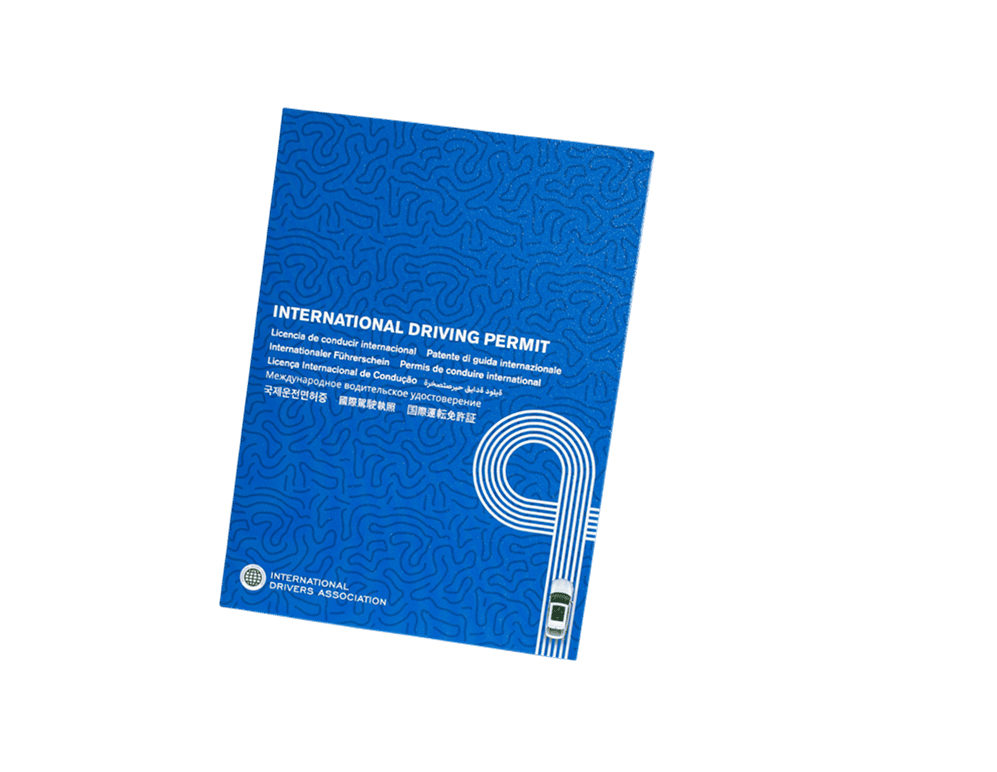
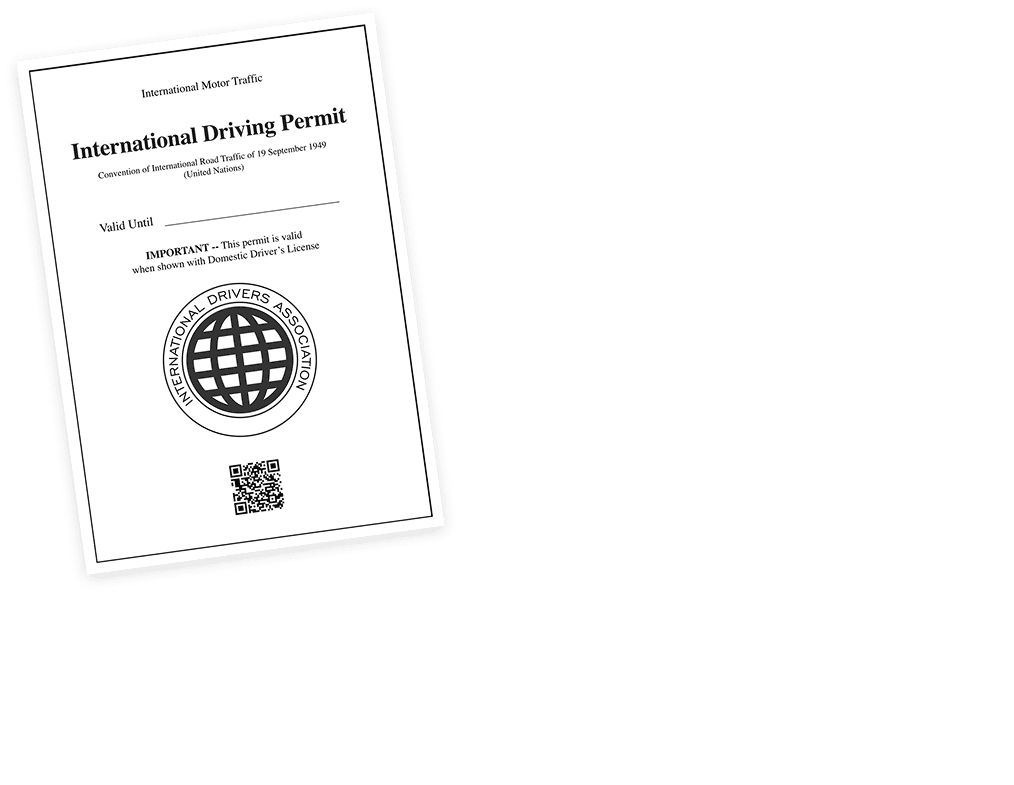
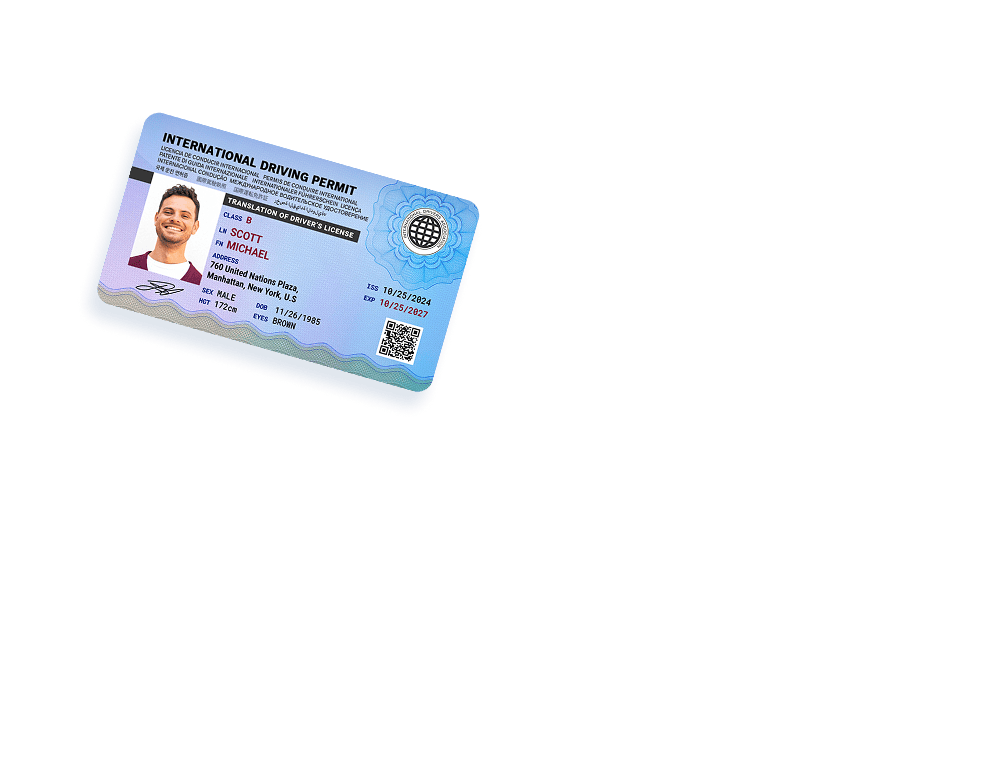
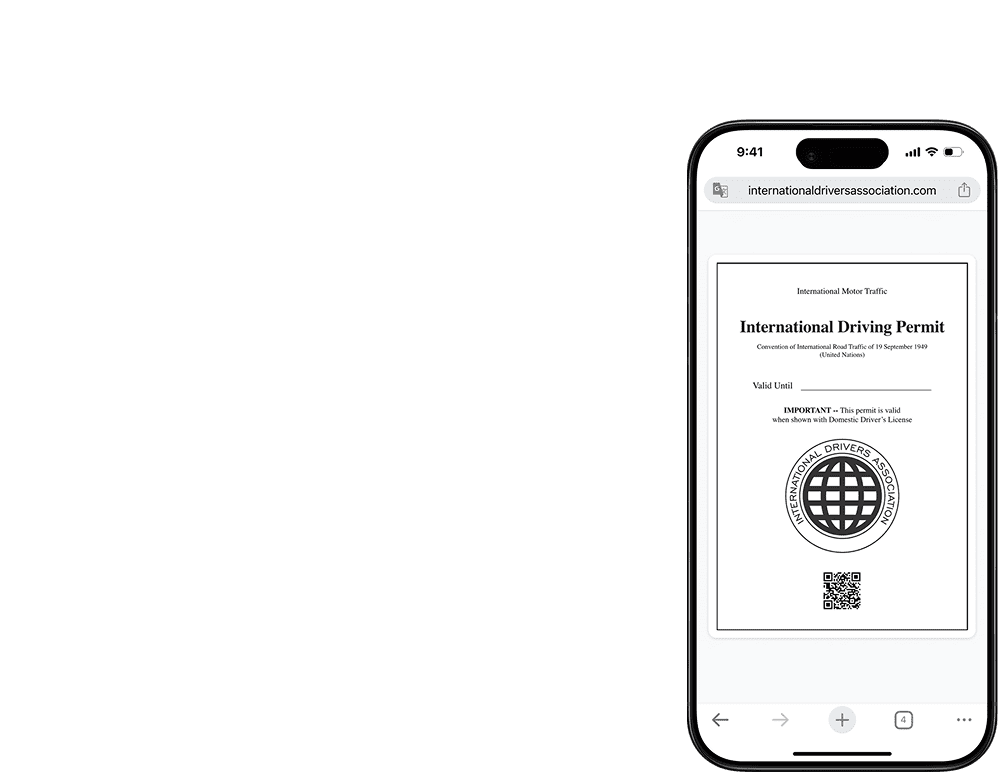
Global Coverage
Print + Digital | 3-Year Validity
$79
$149







Ecuador allows foreign nationals to drive for up to one year from entry with a recognized International Driving Permit alongside their valid domestic license. Issuing authority recognition matters here, confirm yours is accepted before driving.
| Driver type | Requirement | Notes |
|---|---|---|
| Tourist / short-term visitor | Required in most cases | Carry original license at all times |
| Rental car driver | Commonly required | Verify issuing authority with your rental company |
| Long-term foreign resident | Different rules apply | After 1 year, a local license may be needed |
| Mutually recognized license holder | May be exempt | Depends on home country agreement |
Make sure you meet the eligibility requirements and have the following documents ready before you start.
All it takes is what’s already in your wallet
You must meet every condition below
The International Driving Permit (IDP) may not be required to drive a motor vehicle in another foreign country, but it is highly recommended to have one.
Since the country’s nationals primarily speak Spanish, the International Driving Permit can be a document that will support your driving license that can show road traffic authorities and car rental companies that you are an eligible driver in the country.
Our International Driving Permit is recognized in more than 165 countries worldwide, including the following:
When you have an International Driving Permit and you only intend to drive in another foreign country for less than three months, you only need your International Driving Permit. You do not need to take a driving test or get an Ecuadorian driver’s license to drive. Your foreign driver’s license from your home country is enough proof along with an International Driving Permit to allow you.
However, if you plan on staying in the country for more than three months, you will need to take a written test along with a driving test to get your Ecuadorian driver’s license.
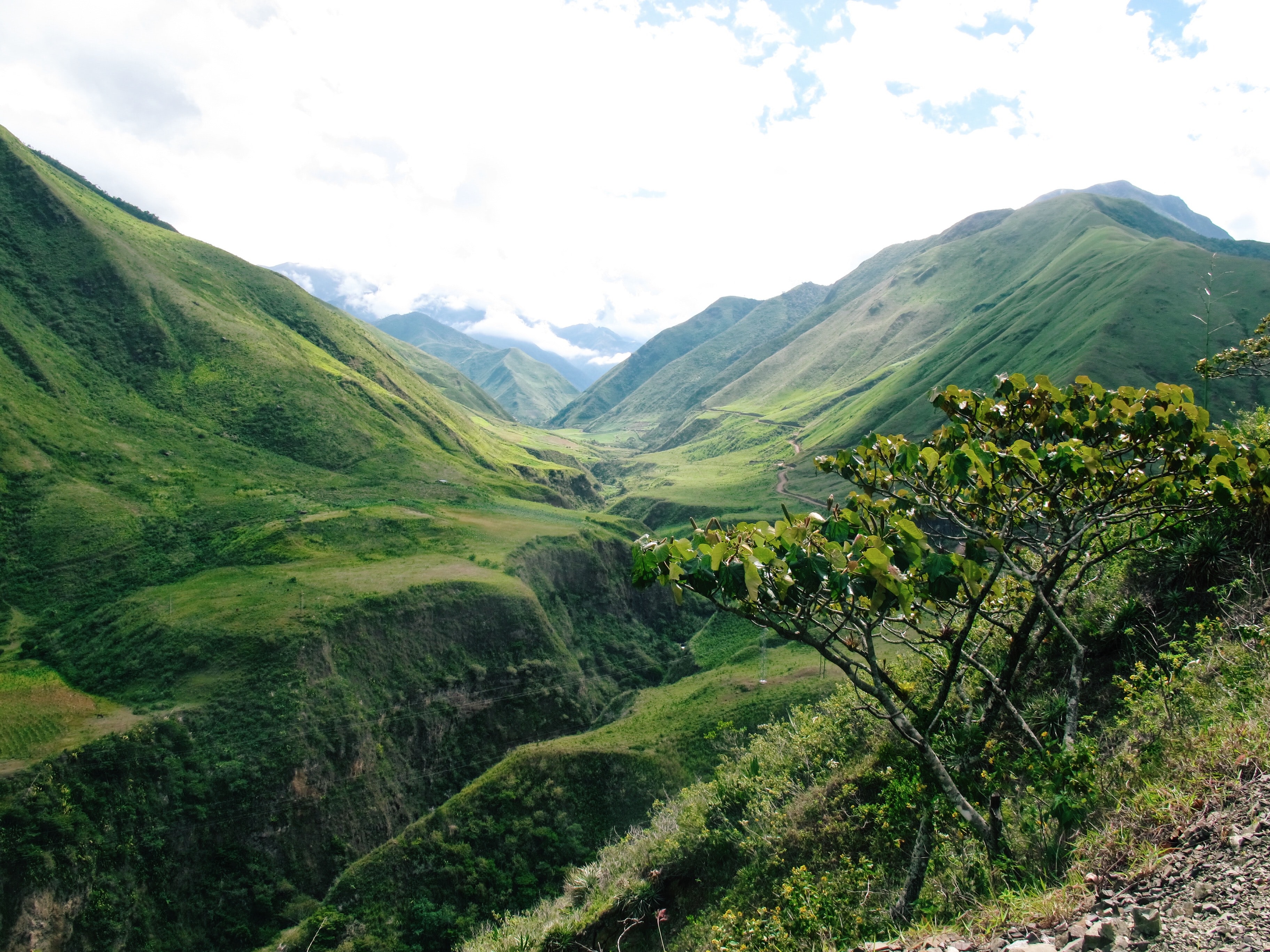
Destinations in Ecuador are not easy to rank. Each place has its unique vibe, its own unique story, and its unique scenery. If you are a city person who prefers to take a cultural walk down the most iconic Ecuadorian streets, take your pick from Quito down to Santo Domingo, Guayaquil and Cuenca. If you crave the ultimate nature excursion, take your choice from the sun-kissed Galapagos Islands to the numerous, breathtaking waterfalls at Baños that seem like it’s straight out of a postcard.
If you’re traveling to Ecuador, it would be hard to miss the world-famous Galapagos Islands. Known as the “melting pot” of marine species, life in this archipelago sparked Charles Darwin’s Theory of Evolution by Natural Selection in 1835. Here, you will find the giant tortoise, the flightless cormorants, land iguanas, the Galapagos mockingbirds, and the only species of penguins found north of the equator, to name a few.
Four (4) out of more than 120 islands and islets are the only inhabited islands, and you can only tour the different islands by a pre-arranged boat. The inhabited towns are also worth driving around, and you can charter a vehicle to do this.
How Do You Get to the Galapagos Islands?
You can only access the Galapagos Islands by a plane that lands in either two (2) domestic airports in the archipelago. Domestic flights only come from mainland Ecuador, and Galapagos Authorities would need you to present a negative COVID-19 test result taken within 72 hours before arrival in Galapagos.
Quito is the capital city of Ecuador. It is also a regional gateway of business, tourism, art, and industry for its neighboring South American countries. Quito started as an Incan City during the 16th century, explaining the unique architecture that you will see around the city. What’s also unique about Quito is that it is a city nestled 2,818m up the Andes. Hence, the climate is relatively cold.
You will see how invested the city planners were in the design of the city. Art was incorporated in the buildings’ architecture, and the streets strategically aligned with the compass’s principal points.
What Can You Do in Quito?
Quito is a city brimming with life and spirit. A drive through the checkerboard streets will already excite anyone. Add in a walkthrough tour of Quito’s Historical Center, and you will realize how much culture there is to appreciate in Ecuador. Quito was the first city to be declared a UNESCO World Heritage site together with Krakow, Poland.
A significant part of Peru and Ecuador’s history was born out of the Incan Civilization’s ingenuity. Dubbed as the Machu Picchu of Ecuador, the Inga Pirca is perched at 3,180m above sea level and was once the bustling city of ancient times.
Apart from the Ruins themselves, what makes Inga Pirca a sought-after destination is the original Inca Trail constructed more than ten centuries ago! If you want to experience the original trail, you’ll have to take the immersive 3-day hike. The 40 km Inca Trail hike is one for the books because you will follow the path that was once stepped on by the great Incans. The entire route will be surrounded by the most enchanting wilderness views teeming with wildlife, both native and endemic.
How Do You Get to the Inga Pirca Ruins?
To get to the Inga Pirca Ruins, you can either hike the 40 km Inca Trail, drive directly to the Ruins, or ride public transportation. The nearest area to Inga Pirca is Cuenco. If you take public transportation, you can ride the 9:00 am bus from the Terminal Terrestre in Cuenca. The bus will stay in the Ruins for about 3 hours and go back to Cuenca around 1:00 pm. A lot of tourists also choose to rent a car as they can save more time.
Baños de Agua Santa, or more popularly known as Baños, is the waterfalls capital of Ecuador. The place gained its name from its water’s healing powers, thought to have been drawn from the Virgin Mary who appeared at the Cascada del Virgen Waterfalls. Also, Baños is endowed with numerous hot springs where visitors can relax after a day of nature-tripping. Even locals favor going to Baños a lot!
How Far is Baños?
Baños is tucked away in the foothills of Mount Tungurahua. From Quito, it will take you about 3 hours to drive to Baños. If you come from Cuenca, the fastest route will incur almost 6 hours of driving time. Lastly, if you come from Guayaquil, it will take you about 5 hours and 20 minutes to reach Baños by private car.
Rucu Pichincha is a 4,698 m stratovolcano that is very close to the capital city of Quito. You might think that its relative distance from the urban center draws in crowds and crowds of hikers. However, Rucu Pichincha’s trails may not be very welcoming to the faint of heart, which is why the tracks are far from crowded. You’ll need to hire an authorized guide to get you to the summit.
Where Is Rucu Pichincha Located?
Rucu Pichincha is located just outside the urban borders of Quito to the east. It is only about an hour’s drive or less from the central area. To get to the jump-off point for the summit hike, you’ll need to ride the TeleferiQo Cable Car up to 12,943 feet and hike the rest of the trail up to 15,413 feet.
Away from the breathtaking physical activities of Ecuador’s numerous nature parks and the charming hype of Quito’s cobblestone streets, Zaruma offers a more laid-back township for travelers who enjoy quieter walks. This quaint town was initially built for the miners who worked in the nearby gold mines. A stroll through the streets of Zaruma will make you feel like you’re in a Hollywood movie set in the early 1900s.
Zaruma is teeming with a lot of small specialty cafes. If you’re fond of artisan coffees, Zaruma is a great place to explore. Also, the Tigrillo dish is a must-try for everyone who plans to visit the area!
Where Is Zaruma Located?
Zaruma is located within the Province of El Oro. It is strategically situated at the Andes’ western slopes within the Premontane Rain Forest, which influences the cool and moist microclimate in Zaruma. It is about a 10-hour drive from Quito, a 4-hour drive from Cuenca, and a 4.5-hour drive from Guayaquil. One might assume that a small town may not have such a robust implementation of traffic rules. Think again. You should always bring with you your International Driving Permit in Ecuador.
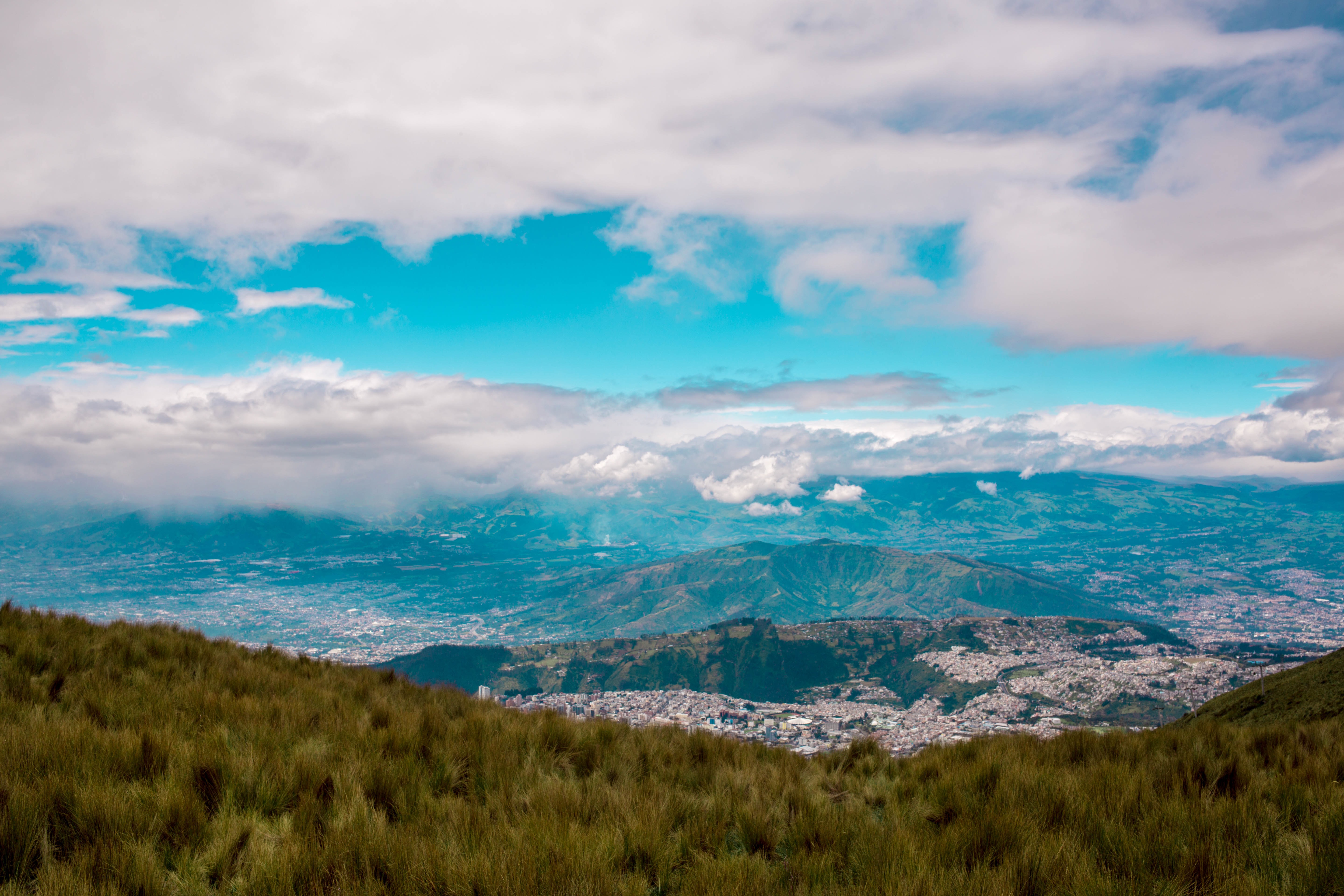
Ecuador, with its unique topography, is largely served by winding roads, making understanding the Ecuador driving rules essential for any road user. The urban centers are characterized by roads made up of concrete or cobblestones, while outside the urban perimeters, the roads are predominantly dirt tracks.
The Ecuadorian Government has been actively upgrading and amending its traffic laws, or more specifically, the Ecuador driving rules, to improve the safety of all road users. These measures highlight the importance of knowing and adhering to the Ecuador driving rules for a safe and comfortable journey through the picturesque landscapes of Ecuador.
Due to the increasing number of speed violators over the years, overspeeding penalties have been elevated in Ecuador. Below are the changes implemented. Also, the Government of Ecuador has the right to confiscate foreign drivers’ driving permits should they violate any limit.
The speed limit within highways is 90km/hr. If you drive between a 100km/hr - 135km/hr speed, you will be liable to a fine of $87.60 and lose 6 points from your license. Likewise, if you will be caught driving at a speed of more than 135km/hr, you will be liable to a fine of $292, lose 6 points off from your license and spend three (3) days in prison without trial.
The maximum speed limit within perimeter roads is also 90km/hr. If you drive between a 90km/hr - 120km/hr speed, you will be liable to a fine of $87.60 and lose 6 points from your license. Likewise, if you will be caught driving at a speed of more than 120km/hr, you will be liable to a fine of $292, lose 6 points off from your license and spend three (3) days in prison without trial.
The maximum speed limit within urban centers like Quito and Cuenca is 50km/h. If you drive between a 50km/hr - 60km/hr speed, you will be liable to a fine of $87.60 and lose 6 points from your license. Likewise, if you will be caught driving at a speed of more than 60km/hr, you will be liable to a fine of $292, lose 6 points off from your license and spend three (3) days in prison without trial.
For road bends, the speed limit is 50km/hr. If you drive between a 60km/hr - 75km/hr speed, you will be liable to a fine of $87.60 and lose 6 points from your license. Likewise, if you will be caught driving at a speed of more than 75km/hr, you will be liable to a fine of $292, lose 6 points off from your license and spend three (3) days in prison without trial.
Considering the terrain in Ecuador, drivers are expected to be responsible enough to drive through the diverse types of roads. Some roads in Ecuador are challenging, even for the most experienced drivers. Every driver will have to be adept with their driving skills.
The minimum driving age in Ecuador is 18. This applies to locals and foreign travelers alike. This also coincides with the minimum age requirement to qualify for an International Driver’s Permit. If you come from a country with a minimum driving age higher than 18, you might not be able to drive in Ecuador since you’ll have to possess a valid driver’s license from your home country.
A more significant percentage of road traffic accidents in Ecuador stem from drunk drivers. The maximum blood alcohol concentration (BAC) is 0.08%. If you are caught with a blood alcohol concentration higher than 0.08%, you will be fined between $170-$1,020, depending on how high your BAC is. You will also risk imprisonment for up to 30 days and have your International Driver’s License impounded until a determined time.
Destinations in Ecuador are not easy to rank. Each place has its unique vibe, its own unique story, and its unique scenery. If you are a city person who prefers to take a cultural walk down the most iconic Ecuadorian streets, take your pick from Quito down to Santo Domingo, Guayaquil and Cuenca. If you crave the ultimate nature excursion, take your choice from the sun-kissed Galapagos Islands to the numerous, breathtaking waterfalls at Baños that seem like it’s straight out of a postcard.
If you’re traveling to Ecuador, it would be hard to miss the world-famous Galapagos Islands. Known as the “melting pot” of marine species, life in this archipelago sparked Charles Darwin’s Theory of Evolution by Natural Selection in 1835. Here, you will find the giant tortoise, the flightless cormorants, land iguanas, the Galapagos mockingbirds, and the only species of penguins found north of the equator, to name a few.
Four (4) out of more than 120 islands and islets are the only inhabited islands, and you can only tour the different islands by a pre-arranged boat. The inhabited towns are also worth driving around, and you can charter a vehicle to do this.
How Do You Get to the Galapagos Islands?
You can only access the Galapagos Islands by a plane that lands in either two (2) domestic airports in the archipelago. Domestic flights only come from mainland Ecuador, and Galapagos Authorities would need you to present a negative COVID-19 test result taken within 72 hours before arrival in Galapagos.
Quito is the capital city of Ecuador. It is also a regional gateway of business, tourism, art, and industry for its neighboring South American countries. Quito started as an Incan City during the 16th century, explaining the unique architecture that you will see around the city. What’s also unique about Quito is that it is a city nestled 2,818m up the Andes. Hence, the climate is relatively cold.
You will see how invested the city planners were in the design of the city. Art was incorporated in the buildings’ architecture, and the streets strategically aligned with the compass’s principal points.
What Can You Do in Quito?
Quito is a city brimming with life and spirit. A drive through the checkerboard streets will already excite anyone. Add in a walkthrough tour of Quito’s Historical Center, and you will realize how much culture there is to appreciate in Ecuador. Quito was the first city to be declared a UNESCO World Heritage site together with Krakow, Poland.
A significant part of Peru and Ecuador’s history was born out of the Incan Civilization’s ingenuity. Dubbed as the Machu Picchu of Ecuador, the Inga Pirca is perched at 3,180m above sea level and was once the bustling city of ancient times.
Apart from the Ruins themselves, what makes Inga Pirca a sought-after destination is the original Inca Trail constructed more than ten centuries ago! If you want to experience the original trail, you’ll have to take the immersive 3-day hike. The 40 km Inca Trail hike is one for the books because you will follow the path that was once stepped on by the great Incans. The entire route will be surrounded by the most enchanting wilderness views teeming with wildlife, both native and endemic.
How Do You Get to the Inga Pirca Ruins?
To get to the Inga Pirca Ruins, you can either hike the 40 km Inca Trail, drive directly to the Ruins, or ride public transportation. The nearest area to Inga Pirca is Cuenco. If you take public transportation, you can ride the 9:00 am bus from the Terminal Terrestre in Cuenca. The bus will stay in the Ruins for about 3 hours and go back to Cuenca around 1:00 pm. A lot of tourists also choose to rent a car as they can save more time.
Baños de Agua Santa, or more popularly known as Baños, is the waterfalls capital of Ecuador. The place gained its name from its water’s healing powers, thought to have been drawn from the Virgin Mary who appeared at the Cascada del Virgen Waterfalls. Also, Baños is endowed with numerous hot springs where visitors can relax after a day of nature-tripping. Even locals favor going to Baños a lot!
How Far is Baños?
Baños is tucked away in the foothills of Mount Tungurahua. From Quito, it will take you about 3 hours to drive to Baños. If you come from Cuenca, the fastest route will incur almost 6 hours of driving time. Lastly, if you come from Guayaquil, it will take you about 5 hours and 20 minutes to reach Baños by private car.
Rucu Pichincha is a 4,698 m stratovolcano that is very close to the capital city of Quito. You might think that its relative distance from the urban center draws in crowds and crowds of hikers. However, Rucu Pichincha’s trails may not be very welcoming to the faint of heart, which is why the tracks are far from crowded. You’ll need to hire an authorized guide to get you to the summit.
Where Is Rucu Pichincha Located?
Rucu Pichincha is located just outside the urban borders of Quito to the east. It is only about an hour’s drive or less from the central area. To get to the jump-off point for the summit hike, you’ll need to ride the TeleferiQo Cable Car up to 12,943 feet and hike the rest of the trail up to 15,413 feet.
Away from the breathtaking physical activities of Ecuador’s numerous nature parks and the charming hype of Quito’s cobblestone streets, Zaruma offers a more laid-back township for travelers who enjoy quieter walks. This quaint town was initially built for the miners who worked in the nearby gold mines. A stroll through the streets of Zaruma will make you feel like you’re in a Hollywood movie set in the early 1900s.
Zaruma is teeming with a lot of small specialty cafes. If you’re fond of artisan coffees, Zaruma is a great place to explore. Also, the Tigrillo dish is a must-try for everyone who plans to visit the area!
Where Is Zaruma Located?
Zaruma is located within the Province of El Oro. It is strategically situated at the Andes’ western slopes within the Premontane Rain Forest, which influences the cool and moist microclimate in Zaruma. It is about a 10-hour drive from Quito, a 4-hour drive from Cuenca, and a 4.5-hour drive from Guayaquil. One might assume that a small town may not have such a robust implementation of traffic rules. Think again. You should always bring with you your International Driving Permit in Ecuador.
Ecuador, with its unique topography, is largely served by winding roads, making understanding the Ecuador driving rules essential for any road user. The urban centers are characterized by roads made up of concrete or cobblestones, while outside the urban perimeters, the roads are predominantly dirt tracks.
The Ecuadorian Government has been actively upgrading and amending its traffic laws, or more specifically, the Ecuador driving rules, to improve the safety of all road users. These measures highlight the importance of knowing and adhering to the Ecuador driving rules for a safe and comfortable journey through the picturesque landscapes of Ecuador.
Due to the increasing number of speed violators over the years, overspeeding penalties have been elevated in Ecuador. Below are the changes implemented. Also, the Government of Ecuador has the right to confiscate foreign drivers’ driving permits should they violate any limit.
The speed limit within highways is 90km/hr. If you drive between a 100km/hr - 135km/hr speed, you will be liable to a fine of $87.60 and lose 6 points from your license. Likewise, if you will be caught driving at a speed of more than 135km/hr, you will be liable to a fine of $292, lose 6 points off from your license and spend three (3) days in prison without trial.
The maximum speed limit within perimeter roads is also 90km/hr. If you drive between a 90km/hr - 120km/hr speed, you will be liable to a fine of $87.60 and lose 6 points from your license. Likewise, if you will be caught driving at a speed of more than 120km/hr, you will be liable to a fine of $292, lose 6 points off from your license and spend three (3) days in prison without trial.
The maximum speed limit within urban centers like Quito and Cuenca is 50km/h. If you drive between a 50km/hr - 60km/hr speed, you will be liable to a fine of $87.60 and lose 6 points from your license. Likewise, if you will be caught driving at a speed of more than 60km/hr, you will be liable to a fine of $292, lose 6 points off from your license and spend three (3) days in prison without trial.
For road bends, the speed limit is 50km/hr. If you drive between a 60km/hr - 75km/hr speed, you will be liable to a fine of $87.60 and lose 6 points from your license. Likewise, if you will be caught driving at a speed of more than 75km/hr, you will be liable to a fine of $292, lose 6 points off from your license and spend three (3) days in prison without trial.
Considering the terrain in Ecuador, drivers are expected to be responsible enough to drive through the diverse types of roads. Some roads in Ecuador are challenging, even for the most experienced drivers. Every driver will have to be adept with their driving skills.
The minimum driving age in Ecuador is 18. This applies to locals and foreign travelers alike. This also coincides with the minimum age requirement to qualify for an International Driver’s Permit. If you come from a country with a minimum driving age higher than 18, you might not be able to drive in Ecuador since you’ll have to possess a valid driver’s license from your home country.
A more significant percentage of road traffic accidents in Ecuador stem from drunk drivers. The maximum blood alcohol concentration (BAC) is 0.08%. If you are caught with a blood alcohol concentration higher than 0.08%, you will be fined between $170-$1,020, depending on how high your BAC is. You will also risk imprisonment for up to 30 days and have your International Driver’s License impounded until a determined time.
Join thousands of satisfied travelers who trust us for their international driving permits
Full refund if not accepted anywhere, plus unlimited free replacements.
Best Value

Maximum coverage – includes everything you might need abroad

Instant Peace of Mind – Ready for Download in Minutes
Find answers to common queries and get the information you need quickly and easily.
An International Driving Permit is a requirement to drive or rent a car in most foreign countries.