

Documents needed
All it takes is what’s already in your wallet
- Valid domestic driver’s license
- Passport-style photo
- Valid government-issued ID
- Completed online application



Your license instantly translated and valid in 189+ countries. Travel freely to multiple destinations with a single permit — use in unlimited countries during validity period.
Recognized for 1 year here. Your IDP stays valid for its full term in 189+ other destinations.
An International Driving Permit is not officially recognized in this country.
Start your application
Takes less than 2 minutes to complete
Recognized for 1 year here. Your IDP stays valid for its full term in 189+ other destinations.
An International Driving Permit is not officially recognized in this country. Please check local driving regulations.

Limited Coverage
Digital Only | 1-Year Validity
$49
Recommended
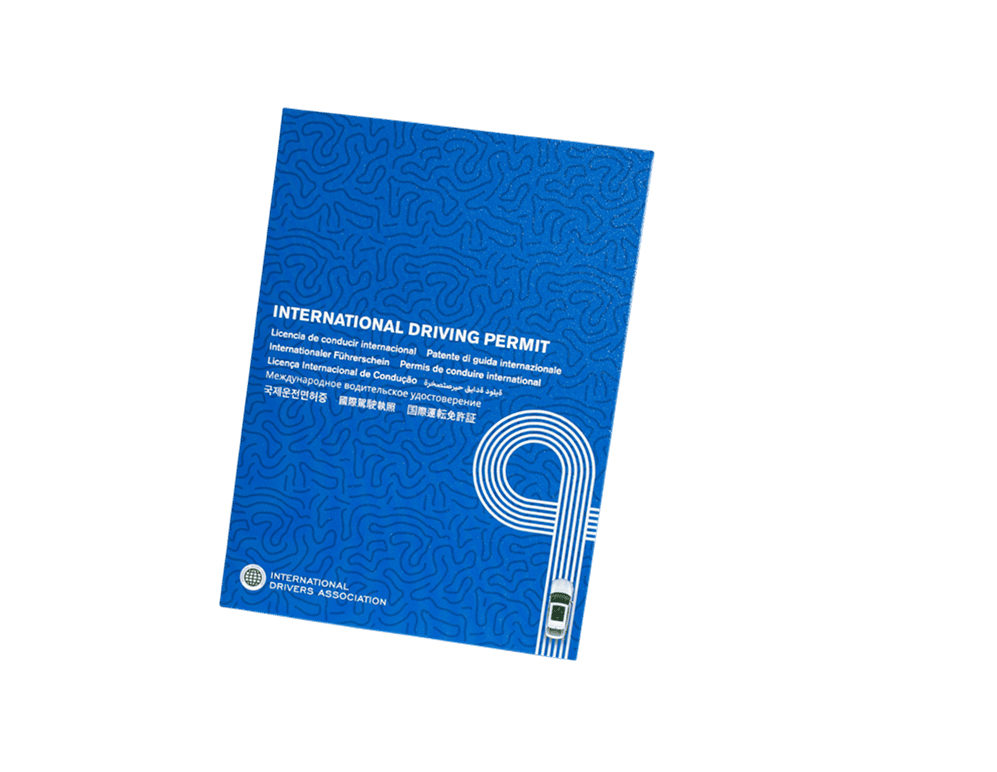
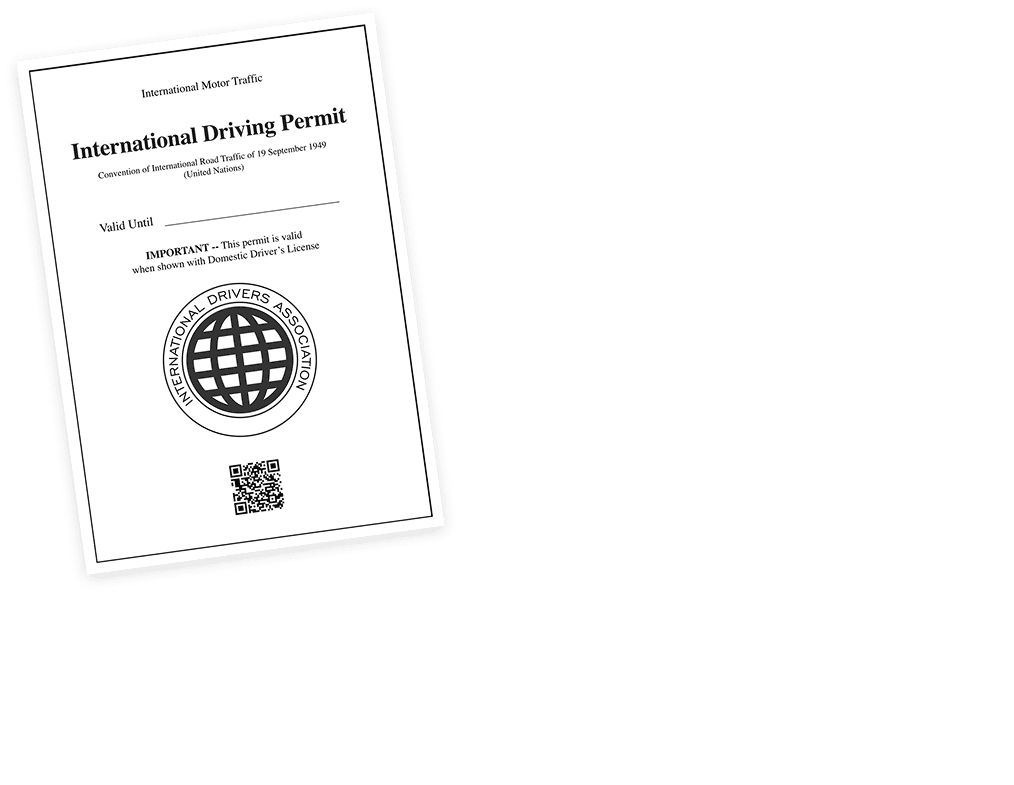
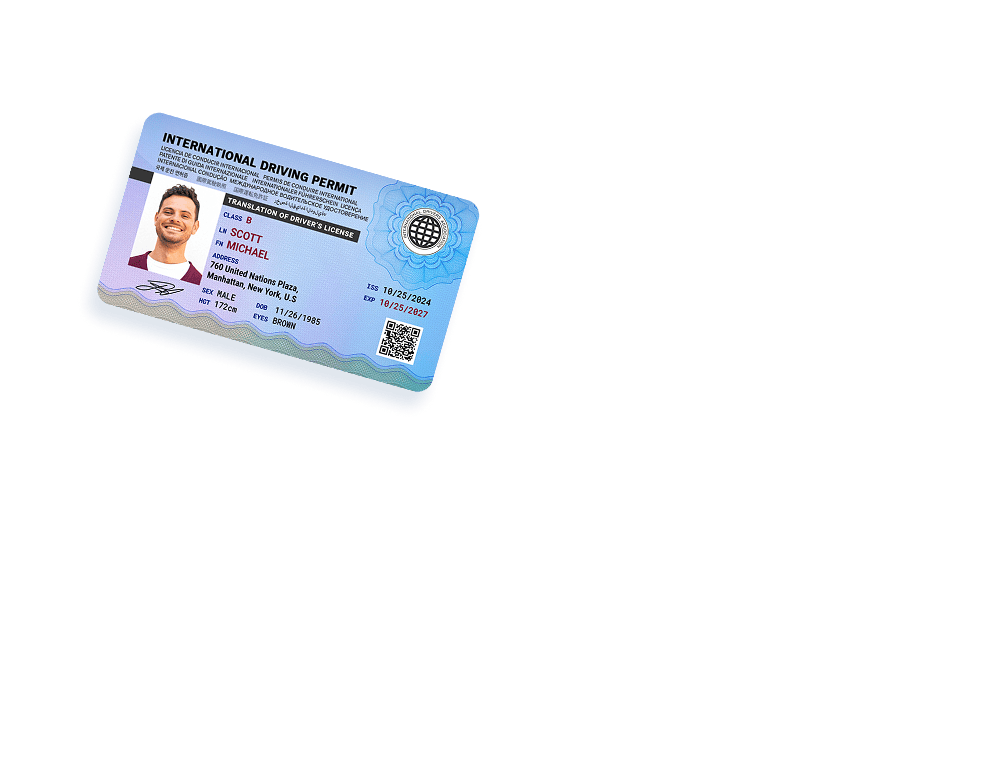
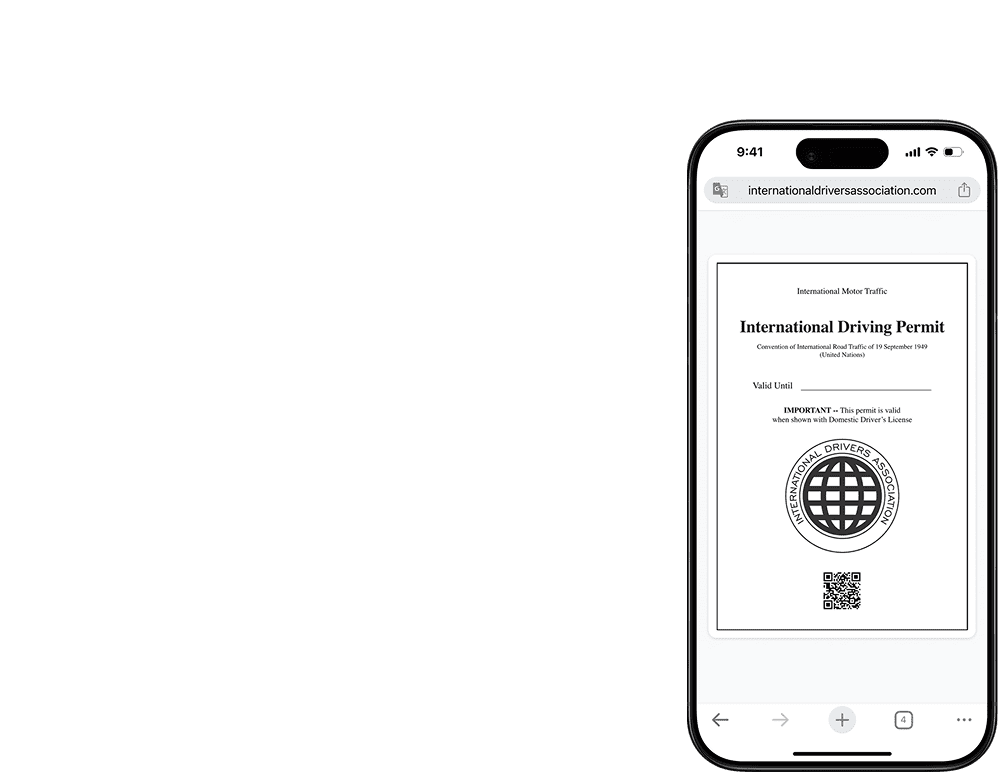
Global Coverage
Print + Digital | 3-Year Validity
$79
$149







Croatia allows foreign nationals to drive for up to one year from entry with a recognized International Driving Permit alongside their valid domestic license. Issuing authority recognition matters here, confirm yours is accepted before driving.
| Driver type | Requirement | Notes |
|---|---|---|
| Tourist / short-term visitor | Required in most cases | Carry original license at all times |
| Rental car driver | Commonly required | Verify issuing authority with your rental company |
| Long-term foreign resident | Different rules apply | After 1 year, a local license may be needed |
| Mutually recognized license holder | May be exempt | Depends on home country agreement |
Make sure you meet the eligibility requirements and have the following documents ready before you start.
All it takes is what’s already in your wallet
You must meet every condition below
Planning a voyage in Croatia can be best experienced when you choose to drive using a rental car. Like in every country, there are specific rules and regulations to follow to ensure that you are a responsible driver on foreign roads. In this case, understanding the Croatia driving rules is essential.
The Croatia driving rules stipulate that the legal age for driving is 18 years old. However, to rent a car, you should be at least 21 years old. If you are under 21 years old and still wish to rent a car, be aware that additional charges will apply. These specific Croatia driving rules ensure the safety of everyone on the road.
One of the basic items in driving is to have a valid driving license, as this proves that you are capable of driving on a highway. Hitting the road without a license to drive is a severe offense. You can face severe charges and penalties. Moreover, it will get you in trouble with the car rental company, and they might not even allow the rental. Thus, it is important to always carry your native drivers license if you want to drive without issues with your car rental in Croatia.
Foreign nationals who plan to rent a car must first check on the car rental places in Croatia that require an International Driving Permit. Some only need a valid driving license. However, getting an International Driving Permit (IDP) is still recommended to be more secure and confident on the road. You can get an International Driving Permit (IDP) within the day or in less than an hour from us. You only have to fill out your essential details on our application page and supply the necessary documents.
Zero tolerance for drivers who are below 24 years of age under the influence of alcohol is strictly implemented in Croatia. Maintaining a BAC level of 0% is a must for young drivers. Professional adult drivers are strictly advised not to exceed a BAC limit of 0.5%. Anyone who will get caught driving intoxicated will face severe punishment by the law.
If a patrol officer calls out a foreign driver due to drunk driving, the driver should be willing to take a BAC level test.
Croatia has implemented speed limits per area. Every driver should obediently follow the speed limits recommended. In urban sections, the speed limit should not exceed 50 kph. For open roads, the driver must not go beyond 80 kph. In motorways, a maximum of 130 kph is only allowed.
All passengers inside a vehicle are obliged to wear their seatbelts at all times while on the road. This is a precautionary measure in case of a road accident. It is to reduce severe injuries in case of an emergency.
When traveling with children under 5 years of age, they must be seated in a child car seat. Other children should be seated in a child restraint. Use a booster seat if needed.
It is important to give your full focus on the road as you are not the only one driving on the road. Dividing your attention will only cause you trouble. Handheld devices are not allowed to use. In such a case you really need to make a call, use a hand free system instead.
Most of the European countries use the right side of the road to drive. Same in Croatia, locals generally drive on the right. This rule is not new among American citizens, but they tend to get confused for other nationals. Here’s a tip, if you happen to get in trouble about which side is for driving, always remember the “fright right.” If you feel the fright not knowing the proper way, make your passenger scream “fright right.” It will set your mind correctly.
As the end of October comes until March-end, dipped headlights are mandated during daylight. Headlights should also be in use at night, especially if the visibility is less than 100 meters..
From November until March, all vehicles should use winter tires. Since the road will be filled with ice, and it will be slippery. By using heavy-duty tires will ensure the car’s safety while mounting up on such icy pathways.
Croatia is a country located in the Balkans. It is one of the best tourist destinations in Europe, globally preferred by many international drivers to explore. Historic sites, ancient ruins, impressive fortresses comprise the country.
History lovers are typically the main target of this iconic destination in the country. Pula is a city that has an amphitheater where fans of gladiator fights gather to watch an extreme battle. It has been ruled by several government leaders over the past centuries until this country has presently owned it. This remarkable site is famously recognized for its abundance of Roman ruins and a great mix of cultures.
This historical arena is famous and one of the largest amphitheaters on the globe. Moreover, the Pula Film Festival is also held within this city. The best time to visit the Pula city is in July. You may also visit the Brijuni National Park and farming villages for more outdoor fun activities and adventure. There's a lot to discover within Pula, so drive to the location now by following these driving directions.
Looking at the picturesque image of this precious gem, you will see how unique its landform is. Zlatni Rat Beach is known as Croatia’s most photographed beach. Featuring its mesmerizing pebbles and a 500 stretch along the coast, there’s no reason not to visit this gorgeous site in the south area of Brac. Swimming on this beach is best from June to September. Also, people can access the site during the bathing season, around May to October.
Covered with medieval walls and towers, the Town of Korcula is situated on a small peninsula in South Dalmatia. This historical gem is filled with aristocratic stone buildings, and it is built under Venetian rule. Another great highlight of this place is the Marco Polo House, which is known as the birthplace of the prominent 13th-century explorer.
The best thing to do on this site is catching the exciting performance of the moreska sword dance. It is a traditional dance intended for tourists. To make the experience more unique, you may visit Korcula every day if you are going from Split or in Dubrovnik. You best enjoy everything this town offers if you come down to this town during summer.
The second major city of Croatia, Split, lies in the majestic Diocletian’s Palace's amazing ancient Roman walls. It is crafted by the Roman Emperor Diocletian, who retired in AD 305. The marvelous palace doesn’t actually seem like a palace as it is more like a fortress in the picture. Within its magnificent walls, there is the stunning Peristyle; it is an arcaded courtyard. You can also find the Cathedral of St. Dominus.
An exciting way of exploring this spot is by visiting at night, as you will be fascinated by the illuminated ruins. In the daylight, you can get to attend concerts and entertainment events. There is also Old Town, which is a pedestrian-only zone. It is a UNESCO-recognized World Heritage Site.
On this trip, you are bound to cross the borders of Bosnia and Herzegovina. This means that you must have the international driver’s license for Croatia and green card. Patrol officers on those checkpoints will ask you to present those documents.
Mljet National Park is widely surrounded by dense woodland. It sits in the center of two interconnected turquoise saltwater lakes. One of those highlights is the islet capped by a 12th-century Benedictine monastery. Accessing the iconic spot is possible by a taxi-boat.
Nature enthusiasts are mostly attracted to the park as it has lots of interesting paths to explore in the woodland. The best activities to do in this gem are mountain biking, swimming, and kayaking. Lodging areas on the island are only one, but during summer, residents rent their rooms. There are also several campgrounds if you like going on a camping adventure. Remember to bring your International Driving Permit (IDP) along with you as you head on driving going to this park.
Exercise your faith by having a little sacred trip in Euphrasian Basilica. It is a World Heritage Site and among Europe's mesmerizing examples of Byzantine art. Remarkable features of the basilica are the astonishing mosaics of the 6th century in the apse of the church. While looking over the mosaics showcases how clever the details it has—observing how a set of 12 female saints perfectly balances Jesus and His 12 Apostles.
Visiting this consecrated place will ask you to head over at 9 AM. The church closes at 4 PM every Monday and Friday. Advisable months of visit are June to November.
Planning a voyage in Croatia can be best experienced when you choose to drive using a rental car. Like in every country, there are specific rules and regulations to follow to ensure that you are a responsible driver on foreign roads. In this case, understanding the Croatia driving rules is essential.
The Croatia driving rules stipulate that the legal age for driving is 18 years old. However, to rent a car, you should be at least 21 years old. If you are under 21 years old and still wish to rent a car, be aware that additional charges will apply. These specific Croatia driving rules ensure the safety of everyone on the road.
One of the basic items in driving is to have a valid driving license, as this proves that you are capable of driving on a highway. Hitting the road without a license to drive is a severe offense. You can face severe charges and penalties. Moreover, it will get you in trouble with the car rental company, and they might not even allow the rental. Thus, it is important to always carry your native drivers license if you want to drive without issues with your car rental in Croatia.
Foreign nationals who plan to rent a car must first check on the car rental places in Croatia that require an International Driving Permit. Some only need a valid driving license. However, getting an International Driving Permit (IDP) is still recommended to be more secure and confident on the road. You can get an International Driving Permit (IDP) within the day or in less than an hour from us. You only have to fill out your essential details on our application page and supply the necessary documents.
Zero tolerance for drivers who are below 24 years of age under the influence of alcohol is strictly implemented in Croatia. Maintaining a BAC level of 0% is a must for young drivers. Professional adult drivers are strictly advised not to exceed a BAC limit of 0.5%. Anyone who will get caught driving intoxicated will face severe punishment by the law.
If a patrol officer calls out a foreign driver due to drunk driving, the driver should be willing to take a BAC level test.
Croatia has implemented speed limits per area. Every driver should obediently follow the speed limits recommended. In urban sections, the speed limit should not exceed 50 kph. For open roads, the driver must not go beyond 80 kph. In motorways, a maximum of 130 kph is only allowed.
All passengers inside a vehicle are obliged to wear their seatbelts at all times while on the road. This is a precautionary measure in case of a road accident. It is to reduce severe injuries in case of an emergency.
When traveling with children under 5 years of age, they must be seated in a child car seat. Other children should be seated in a child restraint. Use a booster seat if needed.
It is important to give your full focus on the road as you are not the only one driving on the road. Dividing your attention will only cause you trouble. Handheld devices are not allowed to use. In such a case you really need to make a call, use a hand free system instead.
Most of the European countries use the right side of the road to drive. Same in Croatia, locals generally drive on the right. This rule is not new among American citizens, but they tend to get confused for other nationals. Here’s a tip, if you happen to get in trouble about which side is for driving, always remember the “fright right.” If you feel the fright not knowing the proper way, make your passenger scream “fright right.” It will set your mind correctly.
As the end of October comes until March-end, dipped headlights are mandated during daylight. Headlights should also be in use at night, especially if the visibility is less than 100 meters..
From November until March, all vehicles should use winter tires. Since the road will be filled with ice, and it will be slippery. By using heavy-duty tires will ensure the car’s safety while mounting up on such icy pathways.
Edit ImageOverride AltReplaceRemove
Alt Text
Croatia is a country located in the Balkans. It is one of the best tourist destinations in Europe, globally preferred by many international drivers to explore. Historic sites, ancient ruins, impressive fortresses comprise the country.
History lovers are typically the main target of this iconic destination in the country. Pula is a city that has an amphitheater where fans of gladiator fights gather to watch an extreme battle. It has been ruled by several government leaders over the past centuries until this country has presently owned it. This remarkable site is famously recognized for its abundance of Roman ruins and a great mix of cultures.
This historical arena is famous and one of the largest amphitheaters on the globe. Moreover, the Pula Film Festival is also held within this city. The best time to visit the Pula city is in July. You may also visit the Brijuni National Park and farming villages for more outdoor fun activities and adventure. There's a lot to discover within Pula, so drive to the location now by following these driving directions.
Looking at the picturesque image of this precious gem, you will see how unique its landform is. Zlatni Rat Beach is known as Croatia’s most photographed beach. Featuring its mesmerizing pebbles and a 500 stretch along the coast, there’s no reason not to visit this gorgeous site in the south area of Brac. Swimming on this beach is best from June to September. Also, people can access the site during the bathing season, around May to October.
Covered with medieval walls and towers, the Town of Korcula is situated on a small peninsula in South Dalmatia. This historical gem is filled with aristocratic stone buildings, and it is built under Venetian rule. Another great highlight of this place is the Marco Polo House, which is known as the birthplace of the prominent 13th-century explorer.
The best thing to do on this site is catching the exciting performance of the moreska sword dance. It is a traditional dance intended for tourists. To make the experience more unique, you may visit Korcula every day if you are going from Split or in Dubrovnik. You best enjoy everything this town offers if you come down to this town during summer.
The second major city of Croatia, Split, lies in the majestic Diocletian’s Palace's amazing ancient Roman walls. It is crafted by the Roman Emperor Diocletian, who retired in AD 305. The marvelous palace doesn’t actually seem like a palace as it is more like a fortress in the picture. Within its magnificent walls, there is the stunning Peristyle; it is an arcaded courtyard. You can also find the Cathedral of St. Dominus.
An exciting way of exploring this spot is by visiting at night, as you will be fascinated by the illuminated ruins. In the daylight, you can get to attend concerts and entertainment events. There is also Old Town, which is a pedestrian-only zone. It is a UNESCO-recognized World Heritage Site.
On this trip, you are bound to cross the borders of Bosnia and Herzegovina. This means that you must have the international driver’s license for Croatia and green card. Patrol officers on those checkpoints will ask you to present those documents.
Mljet National Park is widely surrounded by dense woodland. It sits in the center of two interconnected turquoise saltwater lakes. One of those highlights is the islet capped by a 12th-century Benedictine monastery. Accessing the iconic spot is possible by a taxi-boat.
Nature enthusiasts are mostly attracted to the park as it has lots of interesting paths to explore in the woodland. The best activities to do in this gem are mountain biking, swimming, and kayaking. Lodging areas on the island are only one, but during summer, residents rent their rooms. There are also several campgrounds if you like going on a camping adventure. Remember to bring your International Driving Permit (IDP) along with you as you head on driving going to this park.
Exercise your faith by having a little sacred trip in Euphrasian Basilica. It is a World Heritage Site and among Europe's mesmerizing examples of Byzantine art. Remarkable features of the basilica are the astonishing mosaics of the 6th century in the apse of the church. While looking over the mosaics showcases how clever the details it has—observing how a set of 12 female saints perfectly balances Jesus and His 12 Apostles.
Visiting this consecrated place will ask you to head over at 9 AM. The church closes at 4 PM every Monday and Friday. Advisable months of visit are June to November.
Join thousands of satisfied travelers who trust us for their international driving permits
Full refund if not accepted anywhere, plus unlimited free replacements.
Best Value

Maximum coverage – includes everything you might need abroad

Instant Peace of Mind – Ready for Download in Minutes
Find answers to common queries and get the information you need quickly and easily.
If you have a valid EU/EEA driver’s license, you can drive in Croatia without an International Driving Permit. However, if your license is from a non-EU/EEA country, an International Driving Permit (IDP) is required to legally drive in Croatia. It serves as an official translation of your license and helps prevent issues with local authorities.
Yes, most car rental companies in Croatia require an International Driving Permit (IDP) if your driver’s license is from a non-EU/EEA country or is not in English or Croatian. Having an International Driving Permit (IDP) ensures a hassle-free rental process and compliance with local driving regulations.
You can apply for an International Driving Permit for Croatia online through the International Drivers Association. The process is quick and easy—fill out an online application, upload a copy of your valid driver’s license and a passport-sized photo, and receive a digital International Driving Permit (IDP) within minutes. A printed version can also be shipped worldwide for added convenience.
Yes. Indian citizens need a visa to visit Croatia. Apply for a tourist, business, or other visa at the Croatian Embassy or VFS in New Delhi. You'll need a passport, application, photos, proof of accommodation, itinerary, financial proof, and travel insurance. Processing takes 7-10 days. Croatia is in the Schengen Area, so your stay counts toward the 90-day limit.
Indian nationals can drive in Colombia with a valid Indian license for up to six months. An International Driving Permit (IDP) is recommended. Follow local traffic laws, including seat belts and speed limits (60 km/h in cities, 100 km/h on highways).
An International Driving Permit is a requirement to drive or rent a car in most foreign countries.