

Documents needed
All it takes is what’s already in your wallet
- Valid domestic driver’s license
- Passport-style photo
- Valid government-issued ID
- Completed online application



Your license instantly translated and valid in 189+ countries. Travel freely to multiple destinations with a single permit — use in unlimited countries during validity period.
Recognized for 1 year here. Your IDP stays valid for its full term in 189+ other destinations.
An International Driving Permit is not officially recognized in this country.
Start your application
Takes less than 2 minutes to complete
Recognized for 1 year here. Your IDP stays valid for its full term in 189+ other destinations.
An International Driving Permit is not officially recognized in this country. Please check local driving regulations.

Limited Coverage
Digital Only | 1-Year Validity
$49
Recommended
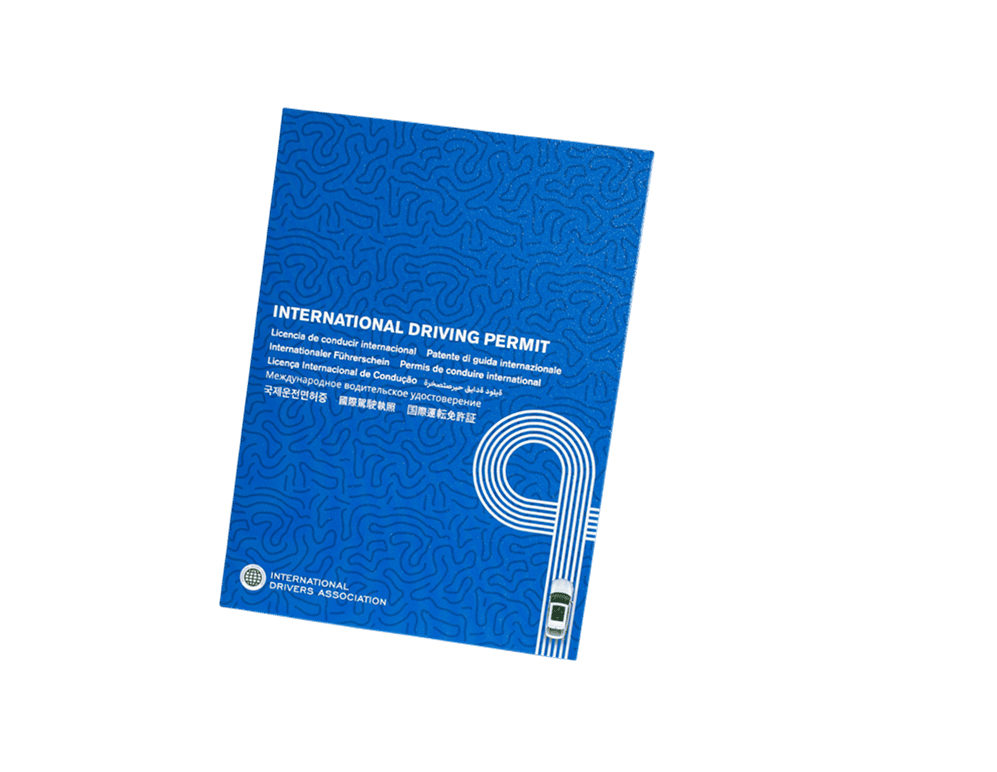
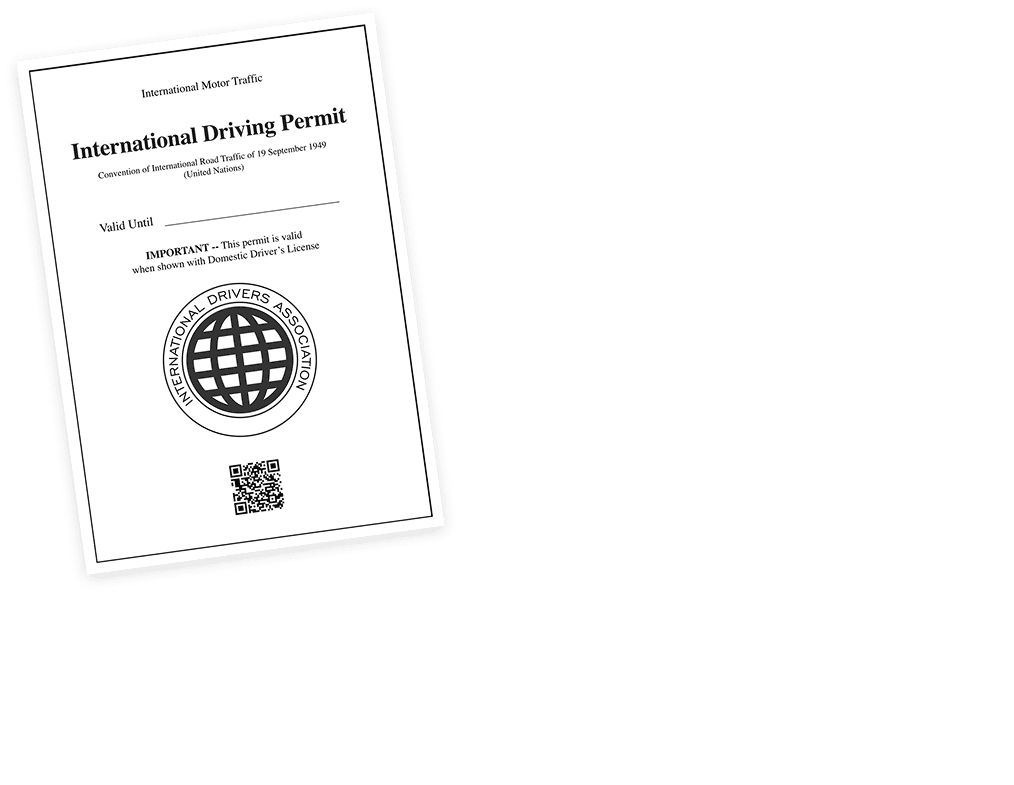
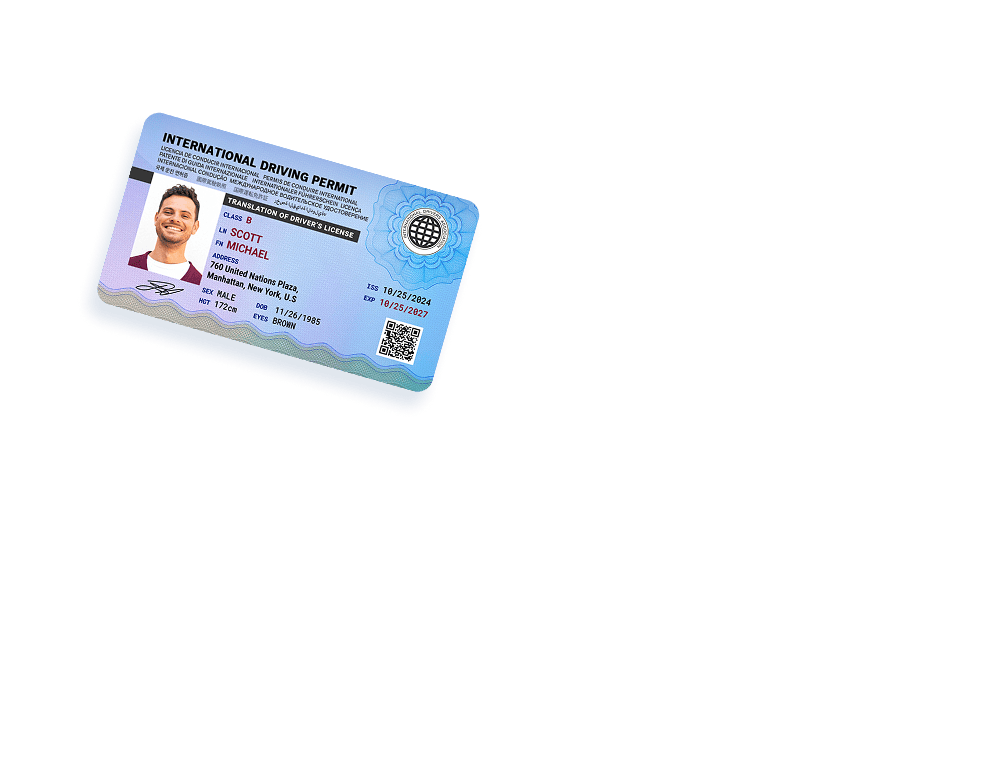
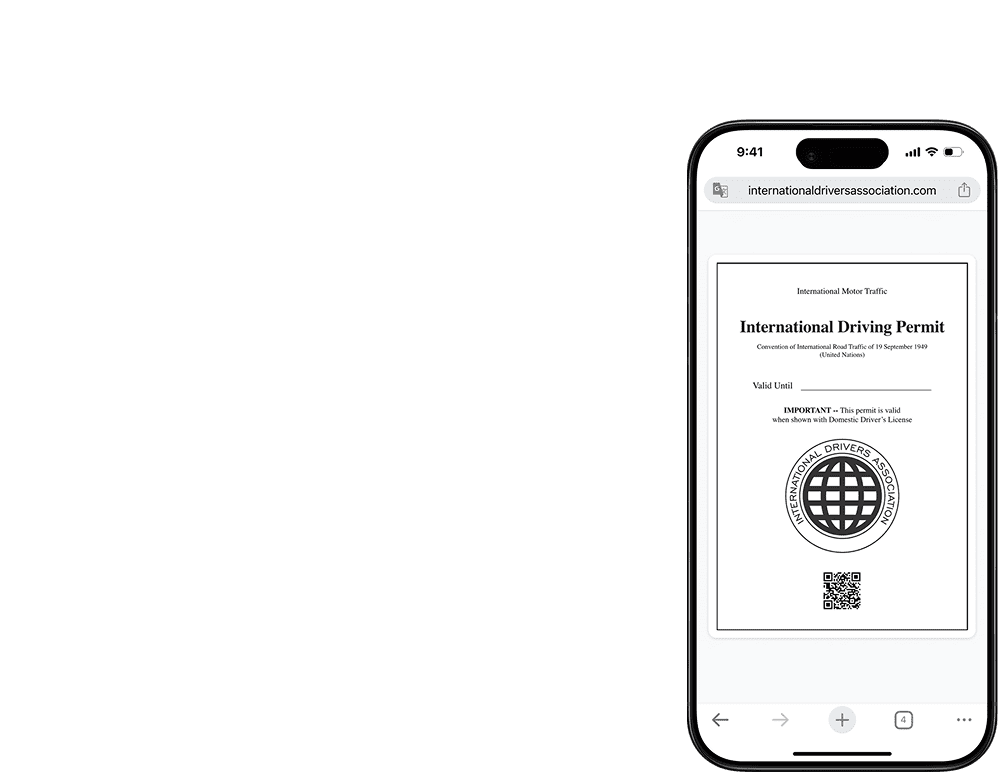
Global Coverage
Print + Digital | 3-Year Validity
$79
$149







Cape Verde allows foreign nationals to drive for up to one year from entry with a recognized International Driving Permit alongside their valid domestic license. Issuing authority recognition matters here, confirm yours is accepted before driving.
| Driver type | Requirement | Notes |
|---|---|---|
| Tourist / short-term visitor | Required in most cases | Carry original license at all times |
| Rental car driver | Commonly required | Verify issuing authority with your rental company |
| Long-term foreign resident | Different rules apply | After 1 year, a local license may be needed |
| Mutually recognized license holder | May be exempt | Depends on home country agreement |
Make sure you meet the eligibility requirements and have the following documents ready before you start.
All it takes is what’s already in your wallet
You must meet every condition below
Getting an International Driving Permit (IDP) from us is relatively easy. You only need to click the “Start My Application” button, which can be found in the upper right corner of the page. Then fill out all the details asked.
Attach a copy of your driving license, passport-sized photo, then fill out your credit card details to pay for your International Driving Permit (IDP) fee.
Our International Driving Permit (IDP) is recognized in 165+ countries, including the following:
The minimum driving age for Cape Verde is 18 years and up. However, you must also note about the allowed minimum age to rent a car in the country; otherwise, you’ll be paying for an additional fee. Moreover, it doesn’t matter if you’re 16 or 17 and already have the experience of driving your vehicle for more than three years, the minimum age requirement to drive in the country is still 18 years old.
Driving in the country is on the right-hand side of the road. You must carry all the essential documents to be eligible to drive in the country.
Hot weather throughout the year, sandy beaches, stunning mountain scenery, fantastic fish and seafood, and the friendly Cape Verdean people make Cape Verde the ideal destination for year-round holidays. It's quite tough to spot Cape Verde on a world map, but there's a lot to discover in the country. Every island has a different collection of attractions and reasons to visit, and each island looks very different from the others.
The most famous of all the Cape Verde islands is Fogo, meaning fire. The volcanic mountain of Mt. Fogo, which stands 2829m above the surrounding waters, lies at the heart of Cape Verde. The main attraction is the Pico de Fogo volcano, which can be climbed in around six hours, using the nearby town of Cha de Caldeiras as the baseline. If you're wondering if you need an International Driver’s Permit Cape Verde Island zip code, definitely yes!
Boa Vista offers a more conservative West African feel to travelers. Boa Vista has some of the best beach resorts in Cape Verde and is a top destination for those interested in windsurfing and kite-boarding, but it's not just white sand dunes. There are not many hotels around this town. Aside from Iberostar, Chaves Beach is a perfect destination to travel to if you come in search of peace and quiet.
Santa Antão is one of the major highlights of the country, the tropical paradise of Cape Verde's second-largest island. Its spectacular and dramatic landscape home to a mix of arid plains, steep hillsides, waterfalls, and rugged cliffs, all of which offer some of the most scenic and pleasant trekking that Africa has to offer.
Pico Island, situated in the southwest of the archipelago, is renowned for its Pico make Fogo, the highest point of Cape Verde, which stands at almost 3,000 meters / 9,000 feet altitude. You can hike to the top of the crater and enjoy the spectacular volcanic scenery. The accumulated lava formations are unlike any you have ever seen.
Mindelo City has a notoriety for being the home of a genuine mix of cultures. Mindelo has situated on the island of Sao Vicente. The city is now home to many people living in slum-like conditions because of a downturn in the economy and harbor over the last decade. However, despite these circumstances, the island maintains its argument that it is the cultural capital of Cape Verde and is a must-visit for travelers hoping to experience the country's vibrant nightlife.
Santiago is the biggest island in the country, the first to be identified in 1460 by Portuguese sailors. The archipelago's ancient capital, built in 1462, is Cidade Velha. A valuable architectural legacy remains from its glorious past. There are numerous restaurants around that sell freshly caught fish and seafood, one of the most popular being Tereru di Kultura.
Santiago has been a UNESCO World Heritage Site since 2009, including Rua da Banana, two churches, Fort São Filipe and Pelourinho, and the place where slaves were punished for escaping.
Tarrafal, near to the northeastern part of Santiago, about an hour and a half from Praia, is both the site of the former Penal Colony and one of Santiago's most beautiful beaches. The prison was built in 1936 to accept political prisoners by the Estado Novo. For those opposed to the dictatorship, it later became a forced labor camp. A visit to the Tarrafal Resistance Museum lasts approximately one hour.
Sal island is renowned as the sunniest island in Cape Verde. You'll find it hard to believe that you're about to land on such an unspoiled golden gem as you approach the island on your plane. However, the island has an international airport and an increasing population of approximately 20,000 people. The climate of Sal is incredibly hot and dry, and the miles and miles of sandy beaches make it a true tropical paradise for those who want to relax by the sea.
Sal Island has the vast majority of the archipelago's beach resorts, alongside Boa Vista. Santa Maria offers golden beaches, blue sky, turquoise waters, warm air, and sea temperatures on the south coast of the island, making for a breathtaking, relaxing paradise.
If you decide to visit Cape Verde, understanding the Cape Verde driving rules is crucial. These laws govern your actions while in the country, and being unfamiliar with them could lead to accidents. Therefore, it's essential to familiarize yourself with the driving guidelines of Cape Verde. Before delving deeper, note that the legal driving age in Cape Verde is 18 years old, and driving is on the right side of the road. These are just a few of the many Cape Verde driving rules you'll need to observe during your visit.
Some areas, such as construction zones or school zones, can be marked with reduced maximum speed limits, so be careful of the signs. If there are two or more lanes for vehicles moving in the same direction, even when making a left turn or crossing, slower cars can take the right lane. For some interstate routes and highways, minimum speed limits are enforced.
Driving as far as possible across Cape Verde is carefully excluded. On all streets, speed limit signs are posted displaying the greatest speed allowed. The limit of speed is 80 km/h on highways and 30 km/h in urban areas. Still, it’s a good idea to decrease your speed, particularly around the cities, as visitors and children are constantly walking or running across the road.
Seatbelts are still required at all hours, and you must use a hands-free device while talking on your mobile phones. Anyone who violates this rule will face real outcomes. If you do not want to have your vehicle driving permit suspended in Cape Verde, wear your seatbelt while driving.
One of the convenient ways to cope with reduced street mishap deaths has been the use of safety belts, so specialists carefully update this standard. Everyone inside the car is obliged to wear seatbelts while out and about, while children under the age of eight can sit on a younger seat in the rear.
Drinking and driving can be an issue, and if you are driving on weekends or holidays when you are more likely to find a drunk behind the wheel, you should take extra caution. Traffic on the Islands appears to be light and, if sporadic at times, the general driving style is laid back.
Driving under the influence of liquor is one of the major contributing factors that cause road accidents in the world. They carefully force extreme and genuine restraint on everyone found driving drunk in Cape Verde. Liquor and drugs can disable the skill and discernment of a driver, impacting the sharpness and spotlight of the driver out and about. It's better to flag down a cab on the off chance that you have a drink than to risk the lives of yourself and others.
Getting an International Driving Permit (IDP) from us is relatively easy. You only need to click the “Start My Application” button, which can be found in the upper right corner of the page. Then fill out all the details asked.
Attach a copy of your driving license, passport-sized photo, then fill out your credit card details to pay for your International Driving Permit (IDP) fee.
Our International Driving Permit (IDP) is recognized in 165+ countries, including the following:
The minimum driving age for Cape Verde is 18 years and up. However, you must also note about the allowed minimum age to rent a car in the country; otherwise, you’ll be paying for an additional fee. Moreover, it doesn’t matter if you’re 16 or 17 and already have the experience of driving your vehicle for more than three years, the minimum age requirement to drive in the country is still 18 years old.
Driving in the country is on the right-hand side of the road. You must carry all the essential documents to be eligible to drive in the country.
Hot weather throughout the year, sandy beaches, stunning mountain scenery, fantastic fish and seafood, and the friendly Cape Verdean people make Cape Verde the ideal destination for year-round holidays. It's quite tough to spot Cape Verde on a world map, but there's a lot to discover in the country. Every island has a different collection of attractions and reasons to visit, and each island looks very different from the others.
The most famous of all the Cape Verde islands is Fogo, meaning fire. The volcanic mountain of Mt. Fogo, which stands 2829m above the surrounding waters, lies at the heart of Cape Verde. The main attraction is the Pico de Fogo volcano, which can be climbed in around six hours, using the nearby town of Cha de Caldeiras as the baseline. If you're wondering if you need an International Driver’s Permit Cape Verde Island zip code, definitely yes!
Boa Vista offers a more conservative West African feel to travelers. Boa Vista has some of the best beach resorts in Cape Verde and is a top destination for those interested in windsurfing and kite-boarding, but it's not just white sand dunes. There are not many hotels around this town. Aside from Iberostar, Chaves Beach is a perfect destination to travel to if you come in search of peace and quiet.
Santa Antão is one of the major highlights of the country, the tropical paradise of Cape Verde's second-largest island. Its spectacular and dramatic landscape home to a mix of arid plains, steep hillsides, waterfalls, and rugged cliffs, all of which offer some of the most scenic and pleasant trekking that Africa has to offer.
Pico Island, situated in the southwest of the archipelago, is renowned for its Pico make Fogo, the highest point of Cape Verde, which stands at almost 3,000 meters / 9,000 feet altitude. You can hike to the top of the crater and enjoy the spectacular volcanic scenery. The accumulated lava formations are unlike any you have ever seen.
Mindelo City has a notoriety for being the home of a genuine mix of cultures. Mindelo has situated on the island of Sao Vicente. The city is now home to many people living in slum-like conditions because of a downturn in the economy and harbor over the last decade. However, despite these circumstances, the island maintains its argument that it is the cultural capital of Cape Verde and is a must-visit for travelers hoping to experience the country's vibrant nightlife.
Santiago is the biggest island in the country, the first to be identified in 1460 by Portuguese sailors. The archipelago's ancient capital, built in 1462, is Cidade Velha. A valuable architectural legacy remains from its glorious past. There are numerous restaurants around that sell freshly caught fish and seafood, one of the most popular being Tereru di Kultura.
Santiago has been a UNESCO World Heritage Site since 2009, including Rua da Banana, two churches, Fort São Filipe and Pelourinho, and the place where slaves were punished for escaping.
Tarrafal, near to the northeastern part of Santiago, about an hour and a half from Praia, is both the site of the former Penal Colony and one of Santiago's most beautiful beaches. The prison was built in 1936 to accept political prisoners by the Estado Novo. For those opposed to the dictatorship, it later became a forced labor camp. A visit to the Tarrafal Resistance Museum lasts approximately one hour.
Sal island is renowned as the sunniest island in Cape Verde. You'll find it hard to believe that you're about to land on such an unspoiled golden gem as you approach the island on your plane. However, the island has an international airport and an increasing population of approximately 20,000 people. The climate of Sal is incredibly hot and dry, and the miles and miles of sandy beaches make it a true tropical paradise for those who want to relax by the sea.
Sal Island has the vast majority of the archipelago's beach resorts, alongside Boa Vista. Santa Maria offers golden beaches, blue sky, turquoise waters, warm air, and sea temperatures on the south coast of the island, making for a breathtaking, relaxing paradise.
If you decide to visit Cape Verde, understanding the Cape Verde driving rules is crucial. These laws govern your actions while in the country, and being unfamiliar with them could lead to accidents. Therefore, it's essential to familiarize yourself with the driving guidelines of Cape Verde. Before delving deeper, note that the legal driving age in Cape Verde is 18 years old, and driving is on the right side of the road. These are just a few of the many Cape Verde driving rules you'll need to observe during your visit.
Some areas, such as construction zones or school zones, can be marked with reduced maximum speed limits, so be careful of the signs. If there are two or more lanes for vehicles moving in the same direction, even when making a left turn or crossing, slower cars can take the right lane. For some interstate routes and highways, minimum speed limits are enforced.
Driving as far as possible across Cape Verde is carefully excluded. On all streets, speed limit signs are posted displaying the greatest speed allowed. The limit of speed is 80 km/h on highways and 30 km/h in urban areas. Still, it’s a good idea to decrease your speed, particularly around the cities, as visitors and children are constantly walking or running across the road.
Seatbelts are still required at all hours, and you must use a hands-free device while talking on your mobile phones. Anyone who violates this rule will face real outcomes. If you do not want to have your vehicle driving permit suspended in Cape Verde, wear your seatbelt while driving.
One of the convenient ways to cope with reduced street mishap deaths has been the use of safety belts, so specialists carefully update this standard. Everyone inside the car is obliged to wear seatbelts while out and about, while children under the age of eight can sit on a younger seat in the rear.
Drinking and driving can be an issue, and if you are driving on weekends or holidays when you are more likely to find a drunk behind the wheel, you should take extra caution. Traffic on the Islands appears to be light and, if sporadic at times, the general driving style is laid back.
Driving under the influence of liquor is one of the major contributing factors that cause road accidents in the world. They carefully force extreme and genuine restraint on everyone found driving drunk in Cape Verde. Liquor and drugs can disable the skill and discernment of a driver, impacting the sharpness and spotlight of the driver out and about. It's better to flag down a cab on the off chance that you have a drink than to risk the lives of yourself and others.
Join thousands of satisfied travelers who trust us for their international driving permits
Full refund if not accepted anywhere, plus unlimited free replacements.
Best Value

Maximum coverage – includes everything you might need abroad

Instant Peace of Mind – Ready for Download in Minutes
Find answers to common queries and get the information you need quickly and easily.
An International Driving Permit is a requirement to drive or rent a car in most foreign countries.