Understanding the local weather and festivals helps you plan the right time to visit Egypt—especially if you’re considering driving between cities like Cairo, Luxor, and Aswan or heading out to remote areas near the Red Sea or Western Desert.
Conditions on the road can change based on the season. Hot days in the south and cooler nights in the desert will affect when and how far you drive. Cities like Cairo can be congested year-round, but certain times of year are easier for those behind the wheel. The evenings during Ramadan may bring quieter roads in some areas but busier ones near mosques or popular local hangouts.
This guide breaks down what each month looks like weather-wise, along with tips to help you plan scenic routes and avoid travel issues tied to heat or holiday traffic.
Planning Your Trip to Egypt
Thinking of visiting Egypt? The time you choose to travel can affect not just your sightseeing but also how comfortable it is to move around—especially if you’re planning to drive. Road conditions, traffic, and even car rental availability can vary depending on the season.
When is the Best Time to Visit Egypt?
The most practical time to visit is during the fall (September to November) and winter (December to February). The weather is cooler, making it easier to drive between major destinations like Cairo, Luxor, and Aswan.
These months allow for longer trips with fewer risks of heat-related issues, especially on highways and open desert roads. Spring (March to May) is also manageable for driving, though temperatures may start to rise. Summer (June to August) brings high heat, especially inland, which can make daytime driving uncomfortable.
Coastal areas like Sharm El Sheikh and Hurghada are better during this season, as the roads there are more active and air-conditioned vehicles make short trips bearable.
Festivals such as Ramadan can influence traffic patterns, particularly in the evenings. Streets may be quieter during the day but busier near sunset when locals gather to eat or attend prayers. These patterns should be factored in when choosing driving routes and departure times.
When is the Cheapest Time to Go to Egypt?
Late November through mid-February is often the most affordable window. If you're renting a car, you may also find lower rates during this time, along with discounted flights and hotel stays. The cooler weather helps make long-distance driving safer and more comfortable, especially in desert areas where cars can overheat quickly in warmer months. Attractions like the Pyramids of Giza, Luxor temples, or even beach towns by the Red Sea remain open but less crowded, giving you more flexibility on the road.
When is Peak Travel Season in Egypt?
Peak travel runs from October to April. These months are preferred by tourists due to the moderate weather. Roads leading to major tourist spots can get busy, so drivers should expect more traffic near popular locations like the Giza Plateau, the Valley of the Kings, or central Cairo. Planning ahead—such as leaving early in the morning and avoiding school holiday weeks—can help reduce driving delays.
Christmas and New Year’s bring more international visitors. As a result, you might see heavier road use, especially near hotels and major landmarks. Car rentals may also sell out quicker during this time, so book early if you plan to drive.
When is the Best Time to Visit the Pyramids in Egypt?
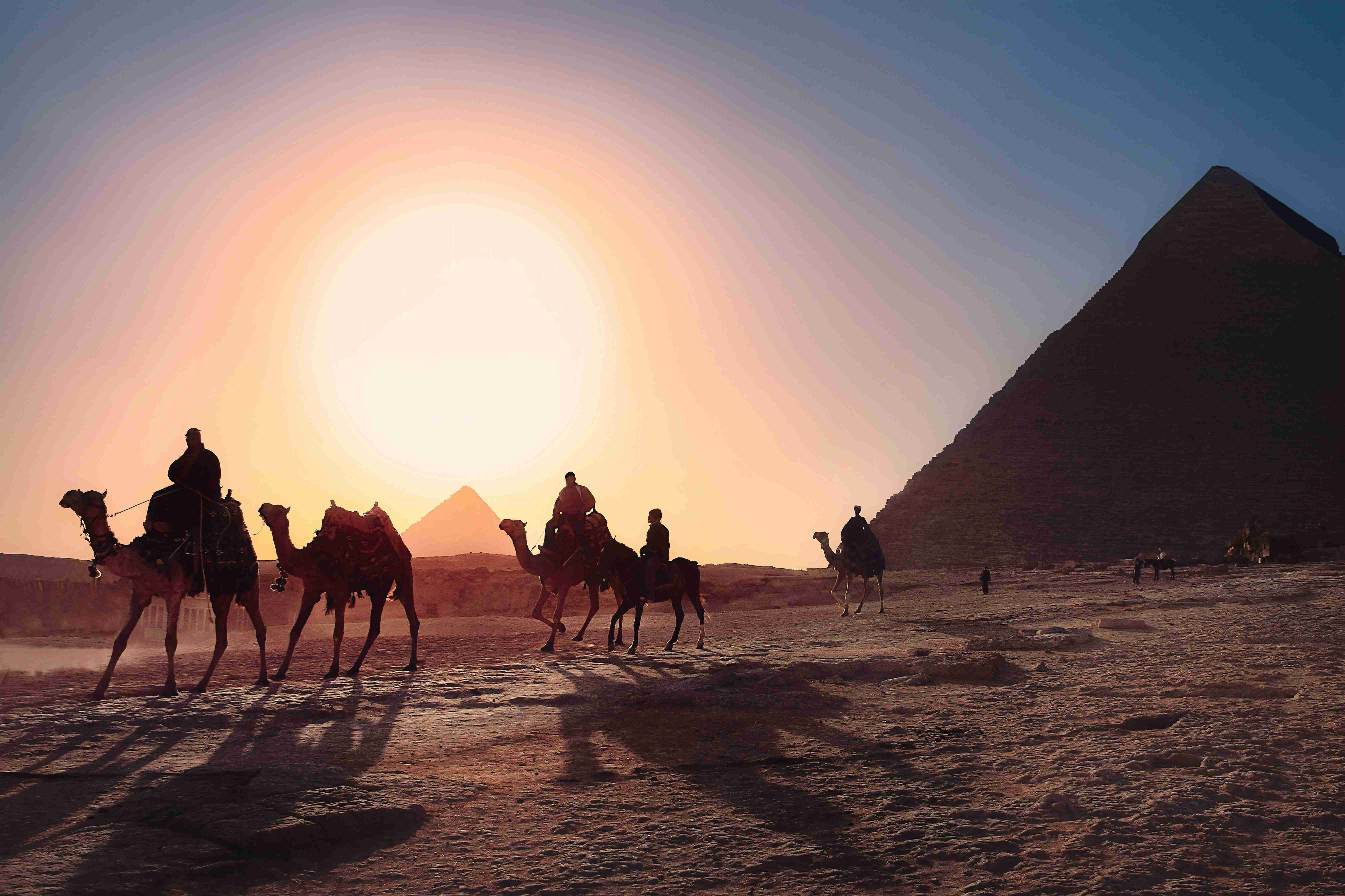
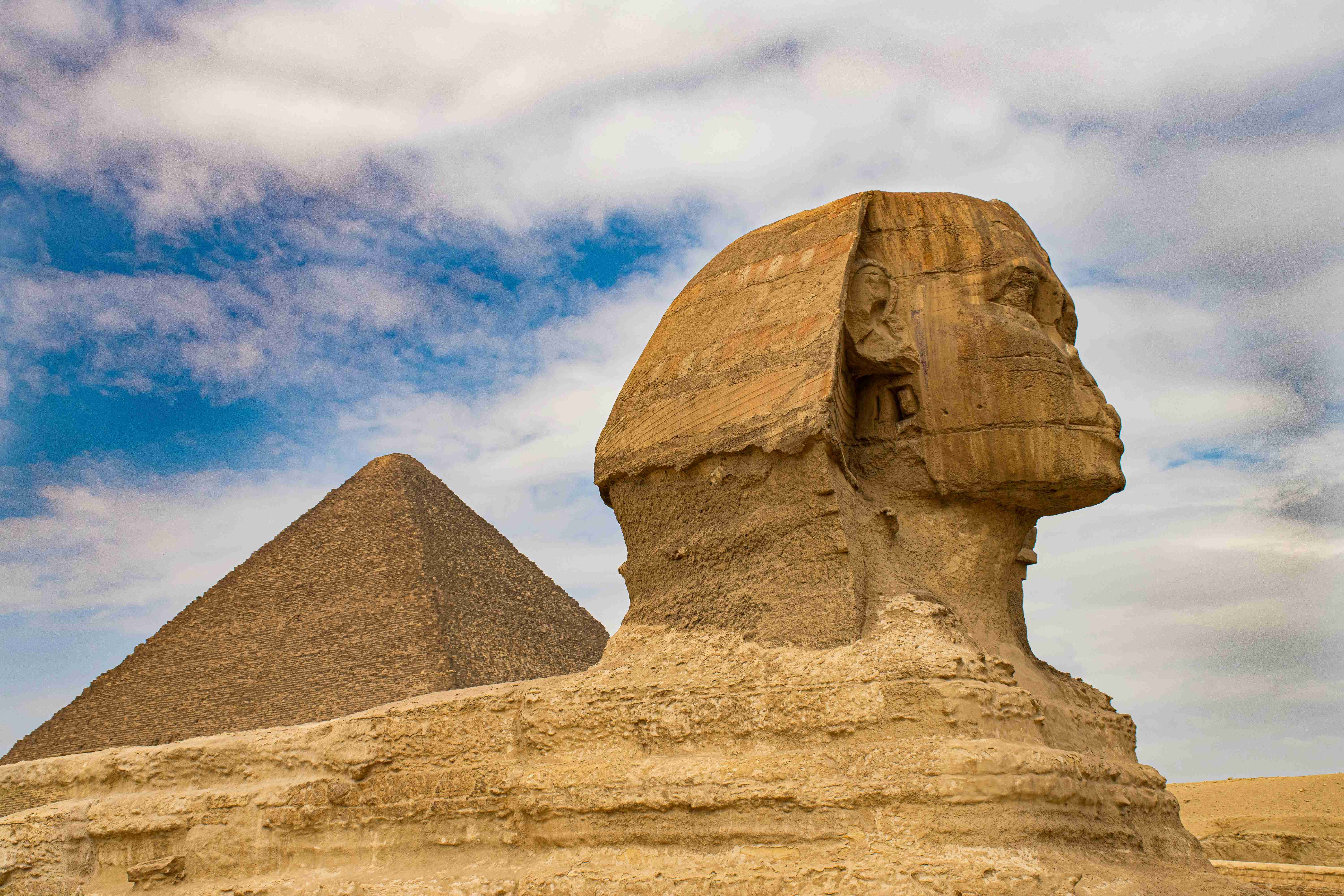
The best time to visit the Pyramids is between October and April. Morning hours are ideal, both for cooler temperatures and lighter traffic near the Giza area. If you’re driving, aim to arrive early to secure a parking spot and avoid heavy congestion. Late February to early March typically has fewer crowds, which makes for a smoother drive and easier navigation around the site.
Travel Tip for Drivers
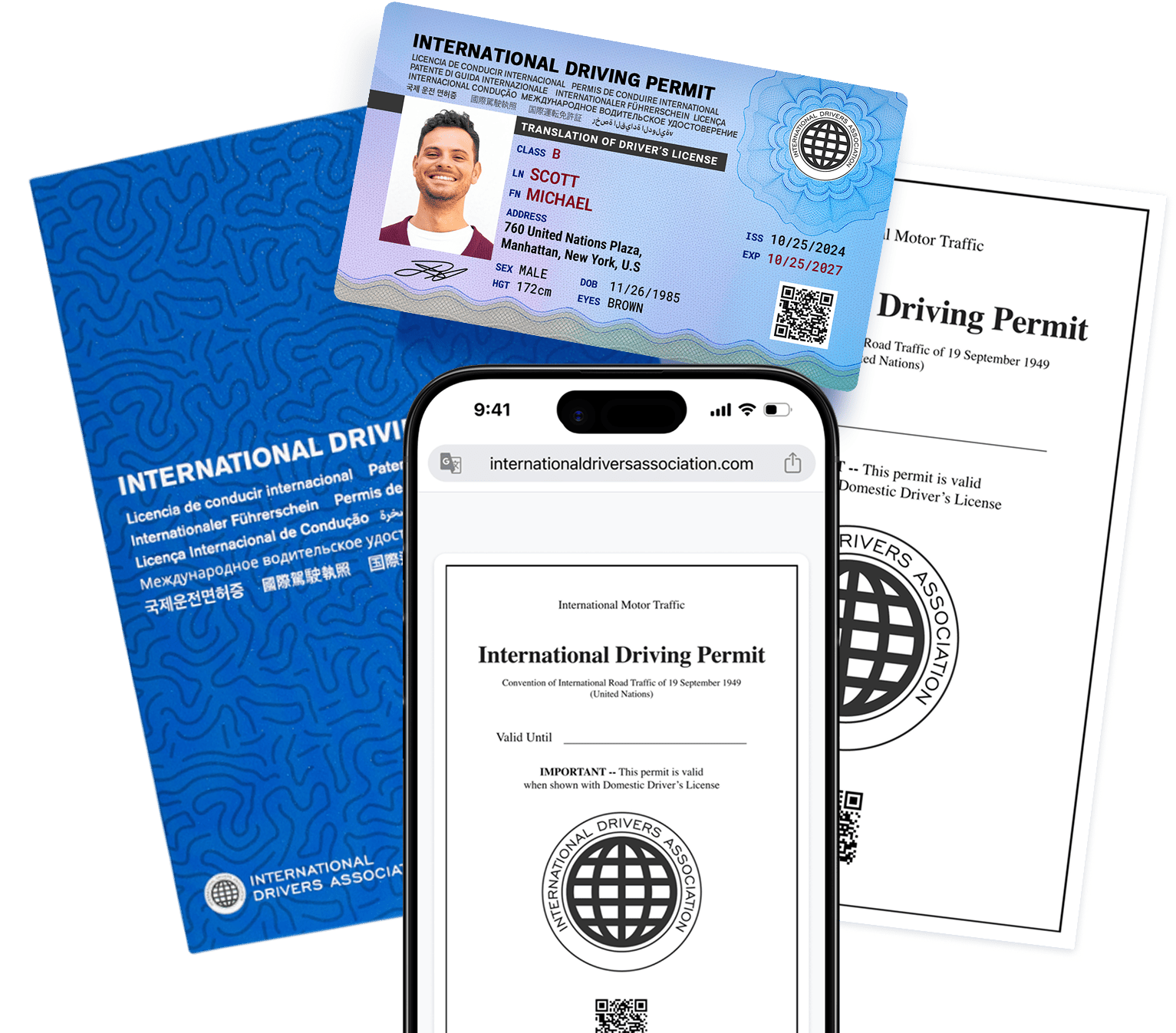
If you plan to drive during your trip, make sure your documents are in order: your country’s driving license, passport, visa, and an International Driving Permit (IDP). Most rental companies require these before handing over the keys. You can apply for an IDP online and have it sent to you before your trip. Preparing early ensures you won’t face delays at pickup or on the road.
Egypt in January: Cool Weather, Warm Welcome
January is an ideal time to travel to Egypt, offering cool and pleasant weather, especially in Cairo and along the Nile. Daytime temperatures range from 15°C-20°C (59°F-68°F), making it perfect for exploring cultural sites like the Pyramids of Giza, Luxor, and Aswan, or taking a Nile cruise. Coptic Christmas on January 7 adds to the festive atmosphere.
Aside from Coptic Christmas, tourists may also want to check out Cairo International Book Fair (late January to early February), which is held annually in Cairo and is one of the oldest and largest book fairs in the Arab world.
Though Egypt is usually dry, Alexandria and the Mediterranean coast may see some rare rain. January is the best time to visit Egypt’s tourist spots before the summer heat hits.
Cairo February Weather: Ideal Time for a Cruise
In February, Egypt enjoys mild winter weather with daytime temperatures ranging from 17°C to 22°C, making it an ideal time to travel to Egypt. This is one of the best months to visit Cairo, cruise the Nile, and explore Luxor and Aswan without the summer heat. The Abu Simbel Sun Festival on February 22 adds to the cultural experience. With fewer tourists, it's the perfect time for an Egypt trip, whether you're visiting the Red Sea coast, diving in Sharm el-Sheikh, or exploring the pyramids. The pleasant weather and lower crowds make February a peak season for Egypt tours.
In February, Egypt celebrates the Abu Simbel Sun Festival, along with the Coptic Feast of the Presentation of Jesus and the Cairo International Book Fair. Other notable events include the Hurghada International Festival for Water Sports and the Luxor African Film Festival, offering a mix of cultural, religious, and entertainment experiences.
Egypt in March: A Warm Welcome to Spring
Egypt transitions to spring in March, with pleasantly warm days and cool nights, ranging from 20°C-25°C (68°F-77°F). This period marks early spring, making it an ideal time to visit popular sites like Cairo and the Western Desert. The Cairo International Film Festival adds cultural flair to your trip.
While it’s a great month for Nile cruises and desert adventures, be prepared for occasional Khamaseen winds from the Sahara. It’s a perfect time to explore the country without the peak tourist crowds and before the summer heat sets in.
- Eid al-Fitr - While the exact date depends on the lunar calendar, if it falls in March, it is a major Islamic festival marking the end of Ramadan with feasting and celebrations.
- Egyptian National Day - Although not a fixed date in March, celebrations for the anniversary of key historical events may occur.
- Sphinx Festival - Held in Luxor, this event celebrates the ancient monuments and rich history of the region.
April’s Warm Welcome: Perfect for Nile Cruises and Festivals
In April, Egypt experiences delightful spring weather with temperatures ranging from 25°C-30°C (77°F-86°F). This month marks the start of spring, ideal for visiting Egypt’s beaches on the Red Sea and Sinai Peninsula before the peak summer heat. Notable festivals include Sham el-Nessim, celebrating spring’s arrival.
The weather in Cairo in April is a great time for Nile cruises and exploring too. For a fantastic trip to Egypt, April offers pleasant weather and fewer tourists, making it one of the best months to travel.
In April, Egypt also celebrates Coptic Easter, which varies each year but often falls this month, featuring special services and festivities nationwide. Additionally, local Egyptian Heritage Festivals may take place, showcasing traditional music, dance, and crafts in various cities, enriching the cultural experience for visitors.

May Magic: Warm Days and Desert Haze
Egypt warms up to 30°C-35°C (86°F-95°F), signaling the start of summer in May. The Red Sea coast, including Sharm El Sheikh, becomes popular as temperatures rise, while inland areas like Luxor and Aswan experience significant heat. It's an ideal time for Nile cruises and visits to Cairo, but expect high temperatures if traveling to southern Egypt.
In May, Egypt observes Labor Day on May 1st with events honoring workers. Ramadan may occur this month, depending on the Islamic calendar. The month also brings local spring festivals featuring traditional music, dance, and crafts, as well as various cultural events celebrating Egyptian heritage and arts.
June Heatwave: Egypt's Toasty Transition to Summer
In June, Egypt kicks off the scorching summer season with temperatures soaring between 35°C-40°C (95°F-104°F), particularly in Upper Egypt. As it’s a peak month for heat, it's ideal to explore cooler coastal spots like Alexandria or indulge in a Nile cruise. June also marks the celebration of Eid al-Fitr, the end of Ramadan, offering a unique cultural experience. For the best travel experience, avoid midday outdoor activities and focus on beach destinations or explore the Red Sea coast.
Also this month, Egypt enjoys Eid al-Fitr, celebrating the end of Ramadan with festive gatherings. The Egyptian National Day on June 30th commemorates the 2013 revolution with public events. Some spring festivals and related cultural activities may continue from May, showcasing traditional music and crafts. Although the Cairo International Film Festival is in November, there may be smaller related events or screenings.
July Heatwave: Embrace the Scorching Sands
July is Egypt's peak of summer, with temperatures soaring above 40°C (104°F), especially in southern regions like Luxor and Aswan. Coastal areas such as Alexandria provide some relief with cooler breezes. This is a prime time for Nile cruises and indoor museum tours, while cultural festivals may be sparse due to the heat. For a comfortable trip, plan outdoor activities early or late in the day and stay hydrated.
In July, Egypt celebrates Eid al-Adha, a major Islamic festival featuring prayers and festivities, depending on the lunar calendar. The Cairo Opera House hosts summer performances, including music and dance, while local music festivals also take place. Despite the heat, these events provide a vibrant cultural experience.
Sizzle and Chill: Egypt’s August Weather Highlights
Egypt remains intensely hot with temperatures soaring between 35°C-40°C (95°F-104°F), marking the peak of summer. August is a great month to escape to cooler coastal retreats like Dahab or Marsa Alam for some beach relaxation and diving.
The Wafaa El Nil Festival, celebrating the Nile River, is a highlight. For those planning a trip to Egypt, it's best to limit desert activities and seek out cooler locations along the Red Sea coast or in Sharm El-Sheikh.
In August, Egypt hosts vibrant festivals such as the Wafaa El Nil Festival, celebrating the Nile River with cultural events, and the Cairo International Festival for Contemporary and Experimental Theatre, featuring innovative performances. If timed right, tourists might also catch the El Gouna Film Festival, showcasing cinema in a coastal setting.
Coastal resorts like Sharm El-Sheikh and Dahab offer local summer festivals with music and cultural activities, making August a lively time to visit.
September’s Sweet Spot: When Egypt Starts to Cool Down
The weather begins to cool down slightly in September, with temperatures easing to 30°C-35°C (86°F-95°F), marking the transition from peak summer to late summer. It’s an ideal time to travel to Egypt, especially to explore Alexandria and coastal resorts, as the weather becomes more pleasant.
The El Gouna Film Festival, usually held in late September, offers a unique cultural experience. This period is perfect for those planning a Nile cruise or wanting to dive into Egypt’s vibrant arts scene.
In September, Egypt may host the Nile Festival, celebrating the Nile River’s cultural significance with diverse artistic events. Additionally, local Egyptian Heritage Festivals may continue from earlier months, showcasing traditional music, dance, and crafts.
October’s Golden Glow: Perfect Weather for Exploring
In autumn, Egypt enjoys comfortable temperatures between 25°C-30°C (77°F-86°F). It’s a fantastic month for travel, with the Cairo Jazz Festival offering a highlight for music enthusiasts. The pleasant weather makes it perfect for exploring Luxor’s temples, desert oases, and coastal beaches before the cooler weather begins.
The Egyptian Heritage Festivals extend until October and even beyond, so tourists who want to learn more about Egypt's culture might want to take advantage of this.
Explore Egypt: November’s Sweet Spot for Travel
Enjoy mild and pleasant weather with daytime temperatures ranging from 20°C-25°C (68°F-77°F) once November starts, which also marks the start of autumn. The Abu Simbel Sun Festival on November 22nd is a highlight, as the sun aligns perfectly with the temple’s inner sanctum. It's an ideal time for cultural exploration across Cairo and Upper Egypt, with cooler evenings making light layers a smart choice.
Mawlid al-Nabi, which varies each year according to the Islamic lunar calendar, marks the birth of the Prophet Muhammad. This festival features various religious and cultural activities, including prayers, recitations of religious texts, and community gatherings. Celebrated with devotion across Egypt, it offers a vibrant display of traditional practices and local customs.
December Chill: Egypt's Mild Winter Weather
Egypt experiences cool weather, especially in the north, with daytime temperatures from 15°C-20°C (59°F-68°F) in Cairo and chillier nights. It’s early December winter, and the Coptic Christmas preparations add festive charm to cities like Cairo and Alexandria. This is an ideal time to explore Egypt's deserts and major attractions without the sweltering heat.
Mawlid al-Nabi, if it falls in December, is celebrated in Egypt, which commemorates the birth of the Prophet Muhammad. Other religious and cultural festivities are held across Egypt as well.
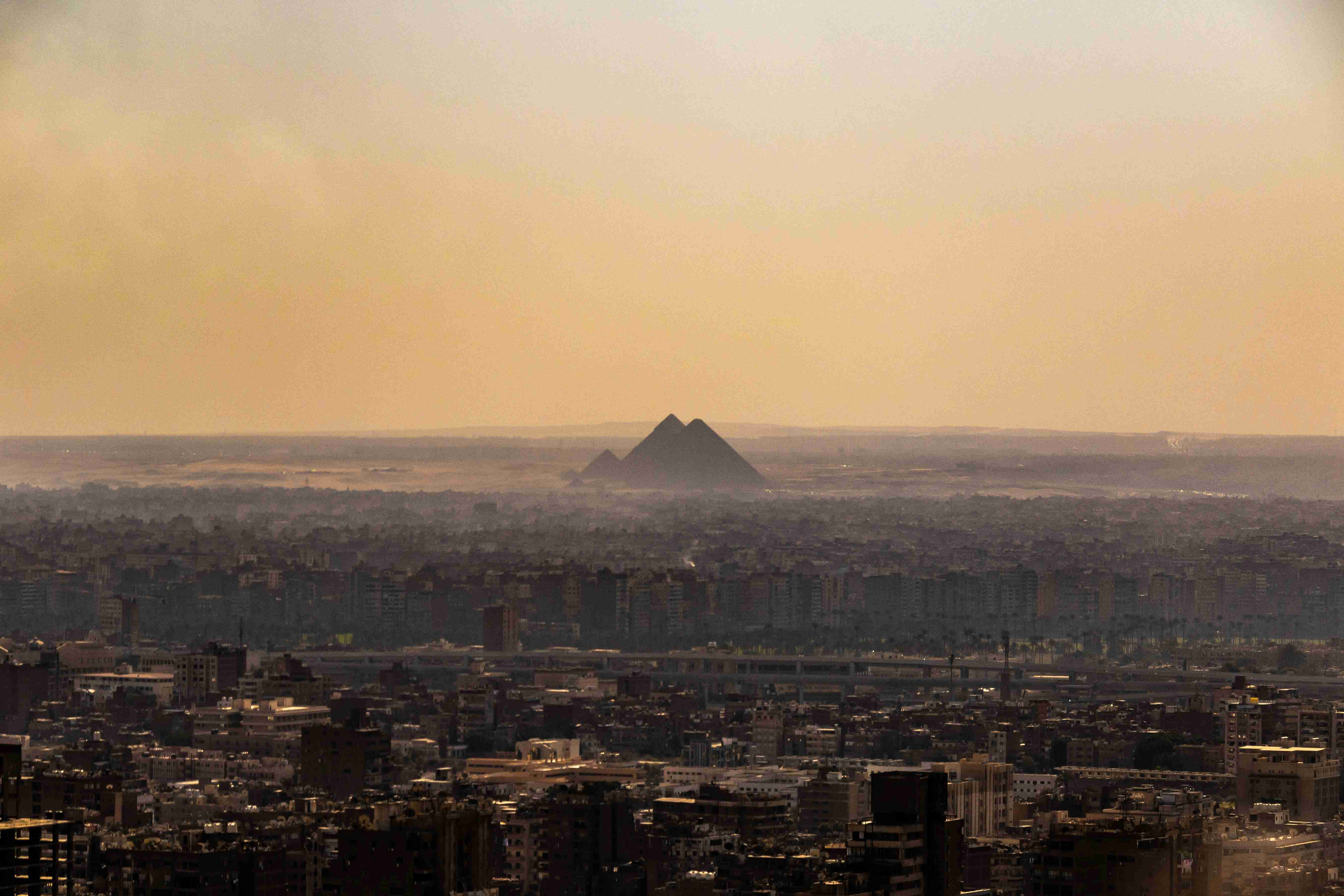
Egypt Weather and Travel Tips
When planning a tour in Egypt, consider the weather and seasons for a comfortable and enjoyable trip:
1. Packing Essentials: For hot months (May to September), pack lightweight and breathable clothing, sunscreen, sunglasses, and a wide-brimmed hat. During cooler months (October to April), bring light layers and a jacket for cooler evenings. Always carry a reusable water bottle to stay hydrated.
2. Transportation: Opt for early morning or late afternoon excursions to avoid the peak heat. In cities like Cairo and Alexandria, use air-conditioned transportation, such as taxis or ride-sharing services. For longer distances, consider a Nile cruise for a unique travel experience. If you plan to drive yourself, ensure you have a driving permit abroad, as it’s required for driving in Egypt.
3. Safety Weather Precautions: In the summer, avoid midday outdoor activities to prevent heat exhaustion. In cooler months, protect yourself from sudden temperature drops. Always check weather forecasts before traveling to remote areas and be aware of local advisories for sandstorms or heavy rains.
FAQs
Here are some FAQs about traveling to Egypt with considerations for weather, seasons, and useful weather apps:
Pack lightweight, breathable clothing for the hot summer and layers for cooler winter evenings. Essentials include sunscreen, sunglasses, a hat, and a reusable water bottle. In cooler months, bring a jacket for chilly evenings.
Plan outdoor activities in the early morning or late afternoon during the hotter months to avoid peak heat. In cooler months, you can explore the sites more comfortably. Check the weather forecast regularly for updates.
Use air-conditioned taxis or ride-sharing apps in cities. For longer distances, Nile cruises or trains are popular. If renting a car, ensure you have an international driving permit and are familiar with the rules of the road in Egypt.
Avoid direct sun exposure during peak hours to prevent heat exhaustion in the summer. In cooler months, be prepared for sudden temperature changes and check forecasts for potential sandstorms or rain.
Yes, but you should have an international driving permit (IDP). Be aware of local traffic rules and driving conditions. Traffic in major cities can be congested, so plan routes and timings carefully.
Festivals like Eid and Mawlid al-Nabi may lead to crowded attractions and limited services. Check the local festival calendar to plan accordingly and avoid peak times.
From October to April, the weather is generally pleasant and ideal for sightseeing. Expect more tourists at popular sites and book accommodations early.
- AccuWeather: Provides detailed weather forecasts and alerts.
- The Weather Channel: Offers hourly and extended forecasts.
- Weather Underground: Features local weather conditions and historical data.
- Windy: Ideal for checking wind patterns and detailed weather maps.
- WeatherBug: Gives live weather updates and severe weather alerts.
Wrapping It Up
Whether you're drawn to Egypt's ancient wonders, vibrant festivals, or scenic landscapes, understanding the country's weather patterns and seasonal changes will enhance your travel experience. By preparing appropriately for the climate, following local customs, and staying informed about weather conditions with reliable apps, you'll be well-equipped to navigate Egypt's diverse environment with ease.
Embrace the rich cultural heritage, enjoy the pleasant weather during the best months, and make the most of your Egyptian adventure with thoughtful planning and respect for local traditions. Safe travels and unforgettable experiences await in the Land of the Pharaohs!