Exploring Morocco's public transportation options offers travelers a convenient and diverse way to discover the country's vibrant cities and stunning landscapes. From the bustling streets of Marrakech to the cultural hubs of Casablanca, Rabat, and Fez, getting around Morocco is made easy with a range of options, such as the bus services run by CTM, the national ONCF train network, and affordable taxis and grand taxis.
Whether navigating from an airport, hopping on a bus at a train station, or renting a car for a road trip to Tangier, Morocco’s public transport system is well-suited to help you explore its unique destinations.
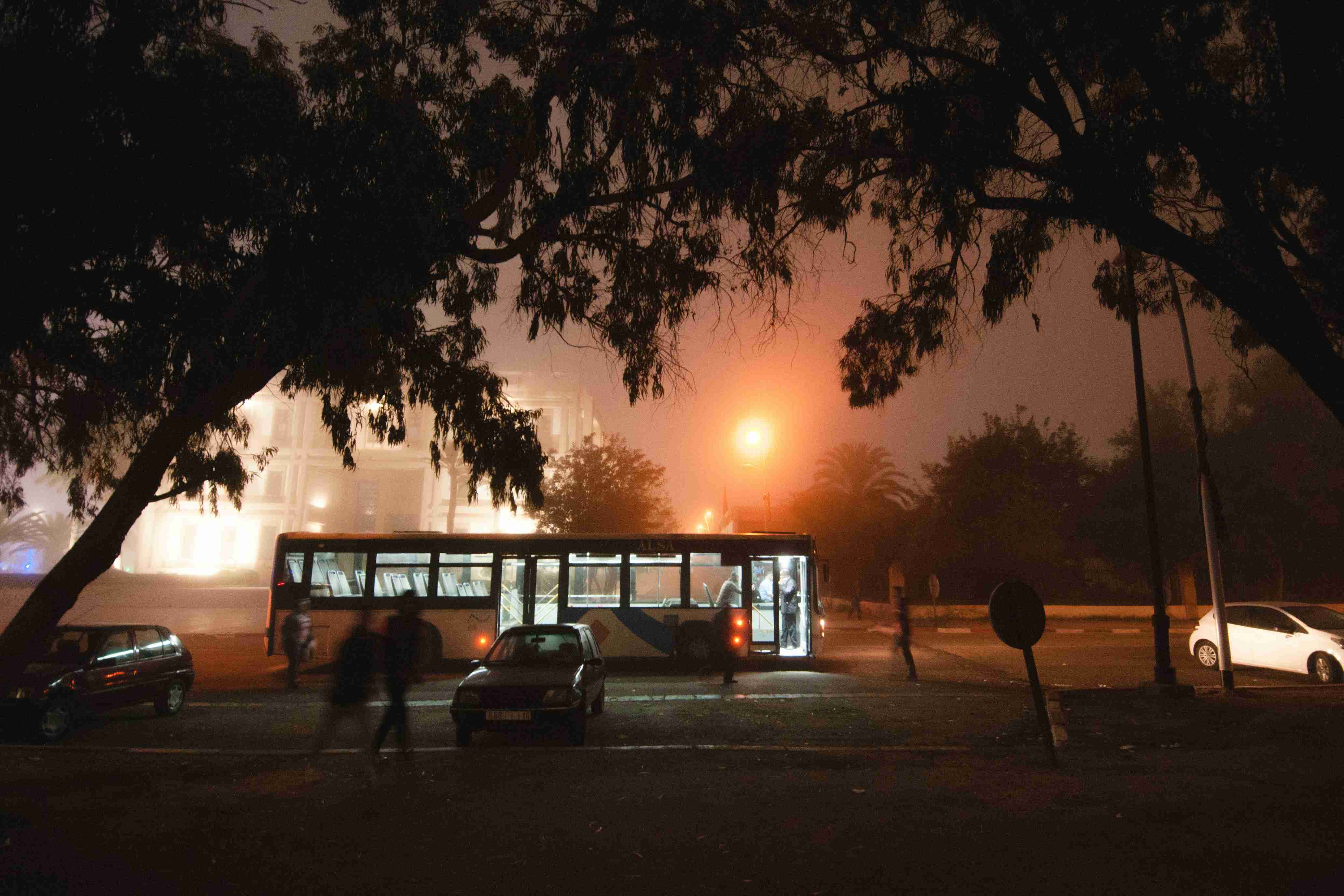
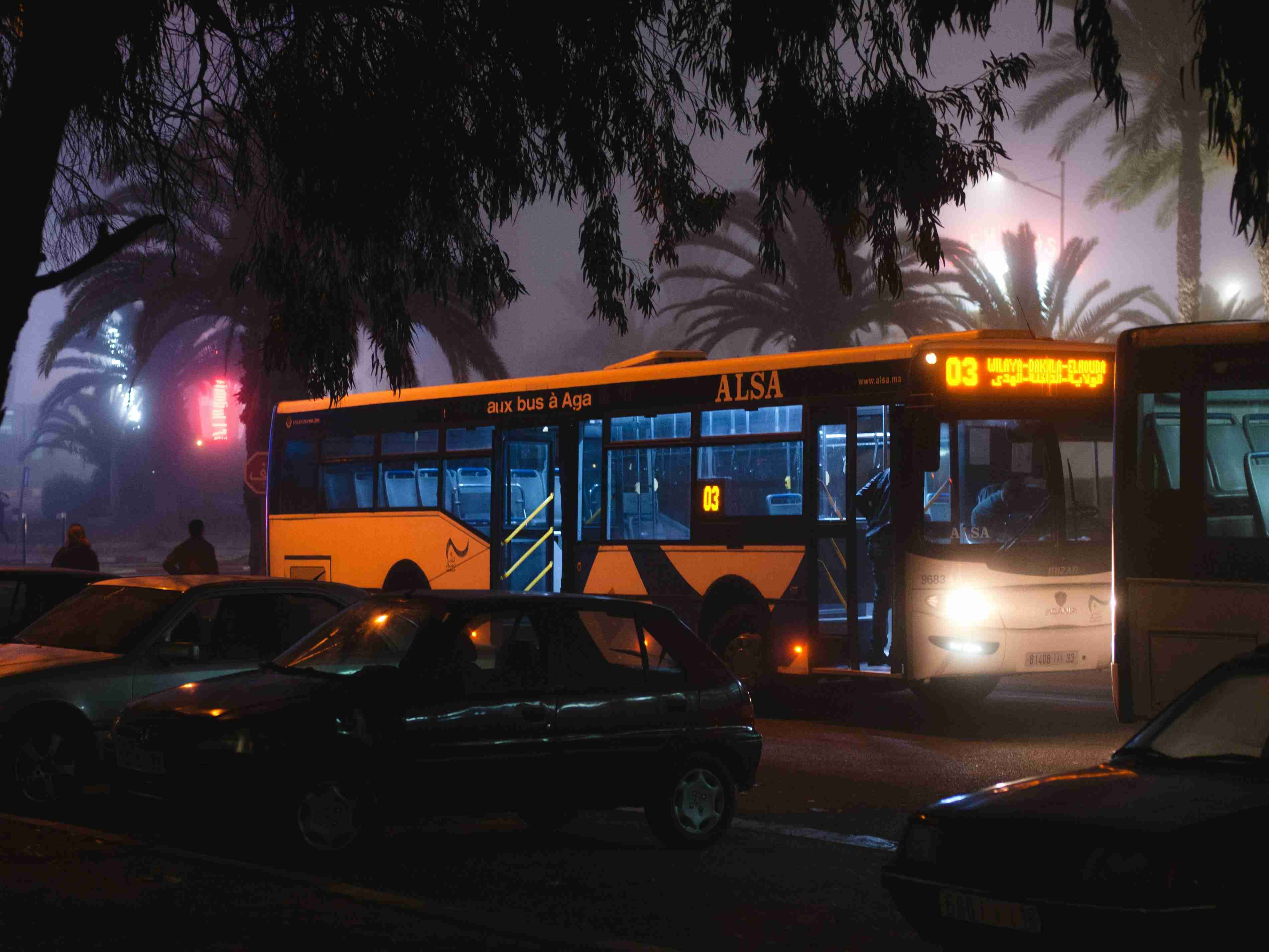
Autobusy
Autobusy są jednym z najpopularniejszych i najbardziej ekonomicznych środków transportu w Maroku, szczególnie w przypadku dalekich podróży między miastami. Oto szczegółowy przegląd usług autobusowych:
Autobusy międzymiastowe
Dwie najbardziej znane firmy, CTM i Supratours, oferują niezawodne i komfortowe połączenia autobusowe między głównymi miastami takimi jak Casablanca, Marrakech, Rabat i Fes. Autobusy są wyposażone w klimatyzację, a często także w rozkładane fotele, przekąski na pokładzie i przestrzeń bagażową, co czyni je dobrą opcją dla podróżnych szukających wygody.
- Ceny biletów: Ceny biletów autobusowych między miastami różnią się w zależności od odległości i rodzaju usługi. Na przykład, przejazd z Casablanki do Marrakeszu kosztuje zazwyczaj około 80-130 MAD (8-13 USD), podczas gdy dłuższe trasy, jak Marrakesz do Fezu, wahają się między 160-250 MAD (16-25 USD).
- Jak kupić bilety: Bilety można kupić online przez stronę internetową przewoźnika lub w dworcach autobusowych. Zaleca się rezerwację z wyprzedzeniem, szczególnie na popularnych trasach. Bilety można również kupić w biurach CTM lub Supratours w większych miastach lub przez ich aplikacje mobilne.
Autobusy miejskie
Lokalne autobusy to tańsza, choć mniej niezawodna opcja podróżowania po miastach. Miasta takie jak Marrakesz, Casablanca i Rabat posiadają rozbudowane sieci autobusowe, jednak autobusy te są często zatłoczone i mogą nie mieć klimatyzacji. Są za to niezwykle tanie - przejazd w granicach miasta kosztuje zazwyczaj 4-6 MAD (mniej niż 1 USD).
Jak kupić bilety: Bilety na lokalne autobusy zazwyczaj kupuje się bezpośrednio u kierowcy lub konduktora. Często wymagana jest dokładna kwota, więc dobrze jest mieć przy sobie drobne.
Pociągi
Pociągi ONCF
ONCF Trains are an integral part of public transportation in Morocco, providing an efficient and comfortable way to get around the country. Morocco’s national railway company, ONCF, operates a comprehensive rail network connecting major cities such as Casablanca, Rabat, Fes, Tangier, and Marrakech. Trains in Morocco offer two seating classes: first class, which provides reserved seating, air conditioning, and extra comfort, and second class, which is more affordable but can be crowded, especially during peak times.
Ceny biletów
Fares for ONCF trains are generally affordable. Second-class tickets between Casablanca and Marrakech cost around 150 MAD, while first-class fares can be about 250 MAD. Depending on the class and availability, a trip from Marrakech to Fes costs 200 to 300 MAD. Tickets can be purchased at train stations, online through the ONCF website, or via mobile apps, making it convenient to travel around Morocco by train.
Pociąg dużych prędkości
Morocco offers the Al Boraq high-speed train for a faster way to travel. The train connects Casablanca to Tangier in just over two hours, significantly reducing travel time. A one-way ticket for the high-speed train costs between 250 and 400 MAD, depending on the class and time of booking.
Taksówki
Taxis in Morocco are one of the most convenient ways to get around cities and between towns, complementing the country's public transportation network. There are two types of taxis:
1. Petit Taxis: These small taxis operate within cities like Marrakech, Casablanca, and Agadir and are typically the cheapest way to travel around Moroccan cities. Fares usually start at around 7-10 MAD during the day and increase slightly at night, but ensure the driver uses the meter or agrees on a fare beforehand. Petit taxis can be hailed on the street or found at bus stations and taxi stands. Payment is generally made in cash, and card payments are not common.
2. Grand Taxis: Larger and shared, grand taxis operate between cities and towns, offering a less comfy but budget-friendly option for intercity travel. They follow fixed routes, and passengers can share the ride with others heading in the same direction. A ride between Marrakech and Agadir costs about 70-100 MAD per person, and they leave once full. Payment is typically in cash, and drivers prefer exact change.
For travelers getting around in Morocco, taxis are a common mode of transport and are often used in combination with train or bus travel. While grand taxis are good for longer distances, petit taxis are ideal for navigating around Moroccan cities.
Taxis offer an alternative to car rental, allowing visitors to travel around Morocco without the need to drive. Whether taking a taxi in Morocco or renting a car, taxis provide a reliable and accessible option in major cities for tourists exploring the country.
Tramwaje
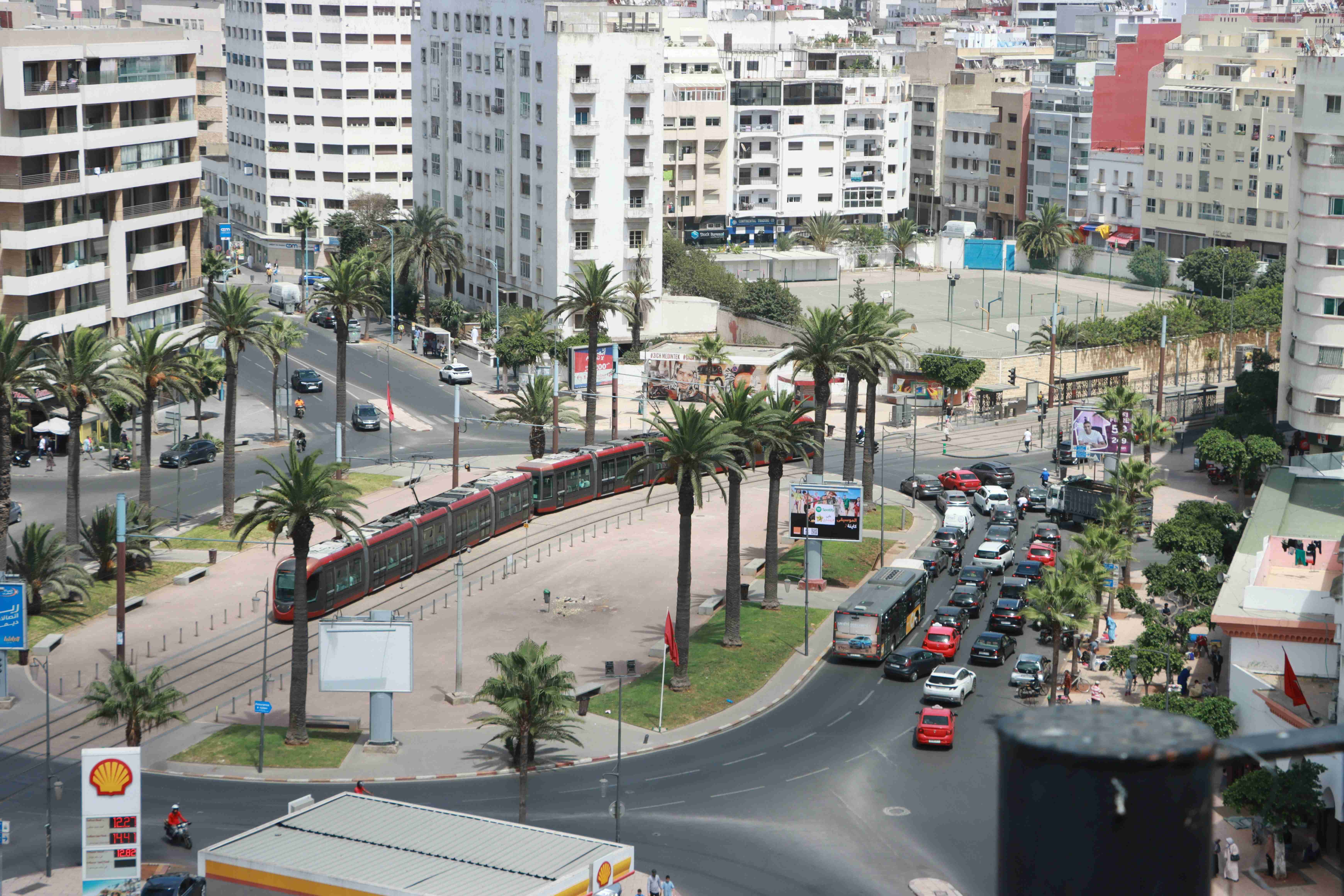
Trams in Morocco are a modern and convenient way to get around the bustling city of Casablanca, one of the few Moroccan cities with an operational tram network. The Casablanca Tramway is part of the broader public transportation system and is ideal for both locals and tourists exploring the city. Here's more information:
Tramwaj w Casablance
The Casablanca Tramway is an efficient transport mode connecting major districts such as Sidi Moumen, Ain Diab, and the city center. With two lines currently in operation, it offers an eco-friendly way to travel across Moroccan cities.
- Ceny biletów: Pojedynczy bilet kosztuje około 8 MAD. System tramwajowy oferuje różne opcje biletów, w tym przejazdy pojedyncze, bilety całodniowe i abonamenty miesięczne. Dostępne są zniżki dla studentów i seniorów.
- Payment Methods: Tickets can be purchased from vending machines at tram stops, which accept cash and credit cards. They can also be booked online through a mobile app.
- Travel Time: The trams run frequently, with intervals of around 10-15 minutes during peak hours, ensuring timely intercity travel within Casablanca.
Dlaczego warto jeździć tramwajem?
The Casablanca tramway is an excellent way to travel around Morocco, particularly for visitors to the city. It is affordable and reliable, and it avoids the heavy traffic that can be common when using a car rental or taxi in Morocco. If you're traveling from Marrakech to Casablanca and want to explore the city without worrying about parking, the tram is one of the best ways to get around.
For travelers looking to avoid driving, the tramway complements other transport options like petit taxis, buses, and trains. It's an integral part of the transport network in one of Morocco's busiest cities. Whether you're using a rental car, public bus, or train in Morocco, the Casablanca tramway is a cost-effective and efficient way to navigate the city's urban sprawl.
Wypożyczalnia rowerów
Bicycle rentals in Morocco are becoming an increasingly popular way to get around Moroccan cities such as Marrakech and Agadir. For tourists and locals alike, biking offers an eco-friendly and flexible way to travel while enjoying the sights at your own pace. Here are more details:
Wypożyczalnie rowerów w Maroku
- Cities with Bike Rentals: Cities like Marrakech, Agadir, and Essaouira offer bike rental services. Marrakech is particularly popular for bike rentals due to its relatively flat landscape, making exploring more accessible. Bikes can be rented in these cities for a few hours or even multiple days, depending on your needs.
- Bike Types and Services: Most rental services offer a range of bikes, from city bikes to mountain bikes, and provide helmets and locks. Some companies even organize guided bike tours to help visitors navigate local sights or off-the-beaten-path areas.
Ceny wynajmu i jak wynająć
- Prices: The cost of bike rentals typically ranges between 60 and 120 MAD per day, depending on the type of bike and duration of the rental. Some providers also offer half-day or hourly rates.
- How to Rent: Bikes can be rented from specialized shops or from hotels and riads that partner with bike rental services. Booking in advance is often recommended, especially during peak tourist seasons. Many companies allow online reservations.
Najlepsze trasy rowerowe
- Marrakech: Exploring the medina or riding through beautiful gardens like Majorelle Garden or the Agdal Gardens can be a unique experience. Those looking for a more adventurous ride can take a bike tour towards the Palmeraie (palm grove) area just outside the city.
- Agadir: Linia brzegowa miasta oferuje malowniczą trasę dla rowerzystów, szczególnie wzdłuż Promenady Agadir. To przyjemne miejsce do jazdy, gdzie można podziwiać widoki na Ocean Atlantycki.
Wynajem samochodów
Renting a car in Morocco can be a great way to get around and explore remote areas that are not as easily accessible by public transportation. While public transport like buses and trains connect most major cities like Marrakech, Casablanca, Fes, and Rabat, renting a car offers you the freedom to travel at your own pace and visit off-the-beaten-path destinations like the Atlas Mountains, Sahara Desert, or the rural villages across the country.
Wynajem samochodu w Maroku: co musisz wiedzieć
Koszty wynajmu
- Price Range: The cost of renting a car in Morocco depends on several factors, such as the type of car, rental duration, and the rental company. Generally, prices start from:
- Samochody ekonomiczne: 200-400 MAD za dzień (20-40 USD)
- SUV-y lub samochody terenowe: 600-1200 MAD dziennie (60-120 USD), które są idealne do eksploracji terenów wiejskich lub dróg pustynnych.
- Wynajem długoterminowy często ma lepsze stawki, a wynajem tygodniowy może oferować zniżki.
Metody płatności
- Payment Options: Most car rental companies accept credit cards (Visa, MasterCard, American Express), and you may be required to present a valid card to place a security deposit. The deposit amount can range from 2,000 to 5,000 MAD, depending on the car type and rental company.
- Prepayment: Some rental services allow you to book and pay online in advance, offering convenience and sometimes discounts.
Gdzie wypożyczyć samochód
- Airports: Major airports like Casablanca Mohammed V International Airport, Marrakech Menara Airport, and Agadir Al Massira Airport have a range of car rental companies on-site, making it easy to pick up a car right after you land.
- City Centers: In major cities like Casablanca, Rabat, and Marrakech, you can find both international brands (such as Hertz, Avis, Europcar) and local companies. Renting from city centers might offer more affordable options compared to airport rentals.
Jazda w Maroku: zasady i warunki
- Driving License: Visitors can use their home country’s driver’s license for up to 90 days, but some rental companies might require a driving permit abroad or an International Driving Permit (IDP).
- Road Conditions: While major highways between cities like Casablanca, Rabat, and Fes are generally in good condition, rural roads can be less maintained. Renting a 4x4 vehicle is recommended if you plan to visit more remote areas or the Sahara Desert.
- Ograniczenia prędkości: W miastach obowiązuje zazwyczaj limit 50 km/h, a na autostradach 100-120 km/h. Przestrzegaj marokańskich przepisów drogowych, aby zapewnić sobie bezproblemową podróż.
- Toll Roads: Some highways, such as the ones between Casablanca and Marrakech, are toll roads. Tolls are affordable, ranging from 10-100 MAD, depending on the distance traveled.
Zalety wynajmu samochodu
1. Flexibility: Renting a car in Morocco allows you to travel around the country at your own pace, making it easier to visit remote locations like the Dades Gorges, Ouarzazate, or coastal areas like Essaouira.
2. Off-the-Beaten Path: This is the best option for getting around rural Morocco and exploring places that are harder to reach by public transport.
3. Travel Time: Renting a car often reduces travel time compared to relying on public buses or trains, especially for intercity or intercity travel.
Ubezpieczenie
- Mandatory Insurance: Car rental prices in Morocco usually include basic insurance, but it’s advisable to check what’s covered. Additional coverage, such as collision damage waiver (CDW) or theft protection, can be purchased for extra security.
- Third-Party Insurance: Some credit cards offer rental car insurance, so check your card’s policies before purchasing extra insurance from the rental company.
Porady dotyczące wynajmu samochodu
1. Book in Advance: It’s always a good idea to book online in advance, especially during peak tourist seasons when rental cars may be in high demand.
2. Fuel Policy: Most rentals have a full-to-full fuel policy, which means you must return the car with a full tank.
3. Sprawdź samochód: Przed opuszczeniem wypożyczalni sprawdź, czy samochód nie ma wcześniejszych uszkodzeń i upewnij się, że zostały one odnotowane w umowie najmu.
Kiedy wypożyczyć samochód
- Best Time to Rent: Renting a car is ideal if you plan to travel to regions like the Sahara Desert, Atlas Mountains, or rural towns where public transport is limited.
- Alternative Transport: In large cities, public transportation like petit taxis, buses, or the Casablanca tram might be more convenient due to traffic and parking challenges.
Wypożyczalnie samochodów w Maroku
- Międzynarodowe marki: Hertz, Avis, Sixt, Budget i Europcar.
- Firmy lokalne: Locarent, AirCar i Medloc Maroc.
Przejazdy współdzielone w Maroku
Careem i inne aplikacje do współdzielenia przejazdów w Maroku
Jak działa współdzielenie przejazdów w Maroku
- Availability: Careem, a popular ride-hailing service in the Middle East, operates in several Moroccan cities, including Casablanca, Marrakech, and Rabat. Other local apps may exist, but Careem is widely known for its ease of use and reliable service.
- Booking: You can book a ride directly through the Careem app on your smartphone, similar to other global services like Uber (which currently doesn’t operate in Morocco). Just enter your pick-up location and destination, and the app will calculate the fare and send you the nearest driver.
- Booking: You can book a ride directly through the Careem app on your smartphone, similar to other global services like Uber (which currently doesn’t operate in Morocco). Just enter your pick-up location and destination, and the app will calculate the fare and send you the nearest driver.
Ceny biletów
- Base Fare: Fares for Careem vary depending on the city and the type of service you choose (standard, economy, etc.).
- W Casablance, podstawowa opłata za przejazd zaczyna się zazwyczaj od 5-7 MAD, plus dodatkowe opłaty za każdy przejechany kilometr lub minutę jazdy.
- Za 10-minutową przejażdżkę na dystansie 5 kilometrów możesz spodziewać się opłaty w wysokości około 20-30 MAD.
- Godziny szczytu: Podobnie jak w przypadku innych platform ride-sharingowych, opłaty mogą wzrosnąć w godzinach szczytu lub gdy popyt jest wysoki.
Metody płatności
- Cash or Card: One of the advantages of using Careem in Morocco is the flexibility in payment methods. Users can choose to pay with:
- Gotówka bezpośrednio kierowcy, co jest bardzo powszechne w Maroku.
- Karty kredytowe/debetowe połączone z aplikacją Careem umożliwiają wygodne płatności zbliżeniowe bez żadnych problemów.
- Płatności mobilne: Niektórzy użytkownicy mogą również korzystać z usług portfela mobilnego w zależności od dostępności aplikacji.
Zalety aplikacji do współdzielenia przejazdów w Maroku
1. Convenience: With Careem, you don’t need to negotiate fares or find a small taxi on the street. Simply open the app, book, and pay.
2. Bezpieczeństwo i ochrona: Aplikacja umożliwia śledzenie twojej podróży, sprawdzanie ocen kierowców oraz udostępnianie szczegółów przejazdu znajomym lub rodzinie dla dodatkowego bezpieczeństwa.
3. Cashless Payments: While cash is widely accepted, cashless payments through the app make it easier for travelers without local currency.
4. Przejrzyste ceny: Aplikacja oblicza opłaty, więc nie musisz martwić się o taksometry ani negocjować stawek.
Aplikacje do przejazdu vs. taksówki
- Taxis in Morocco, such as petit taxis (for short distances within cities) and grands taxis (for intercity travel), are common and widely available. However, sometimes the meters are not used, and negotiation is required, especially for tourists.
- Z Careem nie ma potrzeby targowania się o cenę przejazdu, co sprawia, że jest to prostsze i często preferowane rozwiązanie przez przyjezdnych.
Korzystanie z aplikacji ride-sharingowych w głównych miastach Maroka
- Casablanca: The largest city in Morocco, Casablanca offers plenty of Careem drivers, especially in business districts, tourist areas, and the Casablanca tramlines.
- Marrakech: The app works well in Marrakech, providing a great alternative to navigating the busy streets of the Medina or finding transportation to tourist spots like Jemaa el-Fna or Majorelle Garden.
- Rabat: In Rabat, Morocco’s capital, Careem is a convenient way to travel around its city center and to important sites like Hassan Tower or the Royal Palace.
Wskazówki dla podróżnych korzystających z transportu publicznego w Maroku
Maroko oferuje niezwykłe doświadczenia, a transport publiczny może wzbogacić twoją podróż. Oto kilka przydatnych wskazówek dla podróżnych korzystających z transportu publicznego w Maroku:
1. Poznaj opcje transportu publicznego
- Buses: Local buses are widely available, especially in major cities. Companies like CTM and Supratours operate intercity routes connecting towns and cities.
- Trains: The train network, operated by ONCF, connects major cities such as Casablanca, Marrakech, and Fez. It's a comfortable way to travel long distances.
- Trams: Cities like Casablanca have tram services, making it easy to get around the city.
- Taxis: Petit taxis are suitable for short distances within cities. Grand taxis are suitable for longer trips between cities, though the fare should be negotiated beforehand if the meter isn’t used.
2. Zaplanuj swoje trasy
- Zaplanuj trasę: Zapoznaj się wcześniej z rozkładami autobusów i pociągów. Aplikacje takie jak Google Maps pomogą ci w nawigacji.
- Sprawdź rozkłady jazdy: Rozkłady pociągów i autobusów mogą się zmieniać, szczególnie w okresie świątecznym. Sprawdź rozkłady online lub na stacjach, aby uniknąć długiego czekania.
3. Kup bilety z wyprzedzeniem
- Rezerwacja online: W przypadku dłuższych podróży pociągiem lub autobusami międzymiastowymi, rozważ wcześniejszą rezerwację biletów online, aby zapewnić sobie miejsce.
- Zakup w punktach sprzedaży: Bilety na komunikację miejską możesz kupić w punktach sprzedaży lub automatach biletowych, jeśli są dostępne. Zachowaj bilet do końca podróży.
4. Miej gotówkę pod ręką
- Płatności gotówką: Wiele systemów transportu publicznego, szczególnie autobusy i lokalne taksówki, może nie akceptować kart. Upewnij się, że masz przy sobie lokalną walutę (dirham marokański) na opłacenie przejazdów.
- Drobne nominały: Warto mieć przy sobie drobne banknoty, aby łatwiej płacić za bilety bez potrzeby rozmienienia większych kwot.
5. Zachowaj czujność wobec otoczenia
- Świadomość kieszonkowców: Podobnie jak w wielu miejscach turystycznych, zachowaj ostrożność i pilnuj swoich rzeczy, szczególnie w zatłoczonych miejscach i środkach transportu publicznego.
- Bądź uprzejmy: Marokańczycy są przyjaźni. Witaj się ze współpasażerami i kierowcami. Proste "salam" (cześć) może zdziałać cuda.
6. Szanuj lokalne zwyczaje
- Ubieraj się skromnie: Chociaż nie jest to ścisły wymóg, skromny ubiór jest doceniany, szczególnie na obszarach wiejskich.
- Uzbrój się w cierpliwość: Transport publiczny może być zatłoczony, a rozkłady jazdy nie zawsze są punktualne. Cierpliwość jest kluczowa!
7. Korzystaj z zaufanych aplikacji
- Transport Apps: To navigate more easily, consider downloading apps like Careem for ride-sharing or local transport apps for bus and train schedules.
- Aplikacje do tłumaczenia: Używaj aplikacji do tłumaczenia, aby ułatwić komunikację w przypadku bariery językowej, ponieważ poza większymi miastami znajomość języka angielskiego może być ograniczona.
8. Uwzględnij czas podróży
- Uwzględnij opóźnienia: Zaplanuj dodatkowy czas na podróż, szczególnie na przesiadki między autobusami i pociągami. Marokańska komunikacja publiczna często nie trzyma się rozkładu.
- Podróżuj poza godzinami szczytu: Podróżuj poza godzinami szczytu, aby uniknąć zatłoczonych autobusów i pociągów.
9. Naucz się podstawowych zwrotów po arabsku lub francusku
- Podstawy językowe: Znajomość kilku kluczowych zwrotów w języku arabskim lub francuskim może ułatwić poruszanie się i polepszyć kontakty z miejscową ludnością.
10. Ciesz się podróżą
- Poznaj lokalne życie: Korzystaj z transportu publicznego, aby doświadczyć codziennego życia w Maroku. To świetny sposób na poznanie okolicy, spotkanie miejscowych i odkrycie ukrytych perełek z dala od utartych szlaków.
FAQ
Oto najczęściej zadawane pytania (FAQ) dotyczące transportu publicznego w Maroku wraz z odpowiedziami:
Tak, transport publiczny w Maroku jest generalnie bezpieczny. Niemniej jednak, zaleca się zachowanie czujności, szczególnie w zatłoczonych miejscach, i pilnowanie swoich rzeczy, aby uniknąć kradzieży kieszonkowej.
Rezerwuj bilety z wyprzedzeniem na podróże międzymiastowe, szczególnie w szczycie sezonu turystycznego i podczas świąt. Bilety na pociąg i niektóre połączenia autobusowe możesz kupić online.
- Autobusy i pociągi: Zazwyczaj kursują od wczesnego ranka do późnego wieczora, ale konkretne rozkłady różnią się w zależności od trasy.
- Tramwaje: Zazwyczaj kursują od około 6 rano do północy.
- Taksówki: Dostępne całą dobę, choć dostępność może być ograniczona na obszarach wiejskich
Chociaż niektóre firmy kolejowe i autobusowe akceptują karty kredytowe przy zakupie biletów, wiele lokalnych autobusów i małych taksówek przyjmuje wyłącznie gotówkę. Dla wygody zaleca się noszenie przy sobie gotówki (MAD).
Niektóre firmy transportowe oferują zniżki dla studentów i seniorów, szczególnie na przejazdy pociągiem. Zawsze pytaj o nie przy zakupie biletów.
Opcje transportu publicznego na obszarach wiejskich mogą być ograniczone w porównaniu z dużymi miastami. Zaleca się sprawdzenie lokalnych rozkładów jazdy z wyprzedzeniem lub rozważenie wynajmu samochodu, aby mieć większą elastyczność.
Tak, jest kilka opcji podróży międzymiastowych, w tym autobusy i pociągi. Główne trasy łączą popularne miejsca, co ułatwia przemieszczanie się między miastami.
Jeśli spóźnisz się na autobus lub pociąg, sprawdź rozkład jazdy, aby znaleźć następne połączenie. Większość przewoźników oferuje regularne odjazdy w ciągu dnia.
Zasady dotyczące przewozu zwierząt różnią się w zależności od środka transportu. Zazwyczaj małe zwierzęta są dozwolone w pociągach, jeśli znajdują się w transporterze. Najlepiej sprawdzić szczegółowe zasady przewoźnika dotyczące autobusów i tramwajów.
Chociaż wielu Marokańczyków mówi po arabsku i francusku, język angielski może być powszechnie używany tylko w miejscach turystycznych. Przydatne może być nauczenie się kilku podstawowych zwrotów lub korzystanie z aplikacji do tłumaczenia.
Podsumowanie
Transport publiczny to ekonomiczny i ekologiczny sposób na przemieszczanie się między miastami i odkrywanie ukrytych perełek, które można przeoczyć podróżując prywatnym samochodem. Podróżując autobusami, pociągami, tramwajami czy taksówkami, poznasz różnorodną mozaikę marokańskiego społeczeństwa - od tętniących życiem bazarów po spokojne krajobrazy - wszystko to w towarzystwie przyjaznych mieszkańców. Co więcej, daje to wyjątkową okazję do zaobserwowania rytmu marokańskiego życia, tworząc niezapomniane więzi i historie po drodze. Otwórz się na przygodę z transportem publicznym i przekonaj się, dlaczego to jeden z najlepszych sposobów na doświadczenie prawdziwej esencji Maroka.