

Documenti necessari
Tutto ciò che serve è già nel tuo portafoglio
- Patente di guida nazionale valida
- Foto in stile passaporto
- Documento d'identità valido rilasciato dal governo
- Domanda online completata



La tua patente tradotta istantaneamente e valida in oltre 189 paesi. Viaggia liberamente verso più destinazioni con un unico permesso: utilizzalo in paesi illimitati durante il periodo di validità.
Riconosciuto per 1 anno qui. Il tuo IDP rimane valido per l'intero periodo in oltre 189 altre destinazioni.
Il Permesso di Guida Internazionale non è ufficialmente riconosciuto in questo paese.
Avvia la tua richiesta
Richiede meno di 2 minuti per completare
Riconosciuto per 1 anno qui. Il tuo IDP rimane valido per l'intero periodo in oltre 189 altre destinazioni.
Il Permesso di Guida Internazionale non è ufficialmente riconosciuto in questo paese. Verifica le normative locali sulla guida.

Copertura limitata
Solo digitale | Validità 1 anno
$49
Consigliato
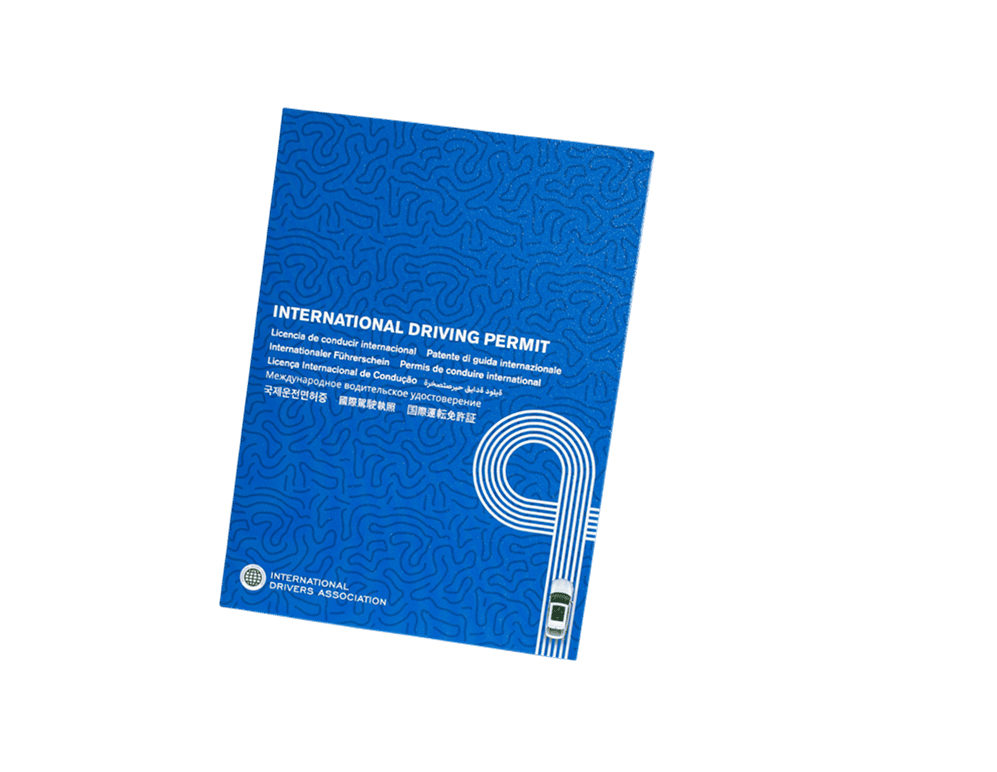
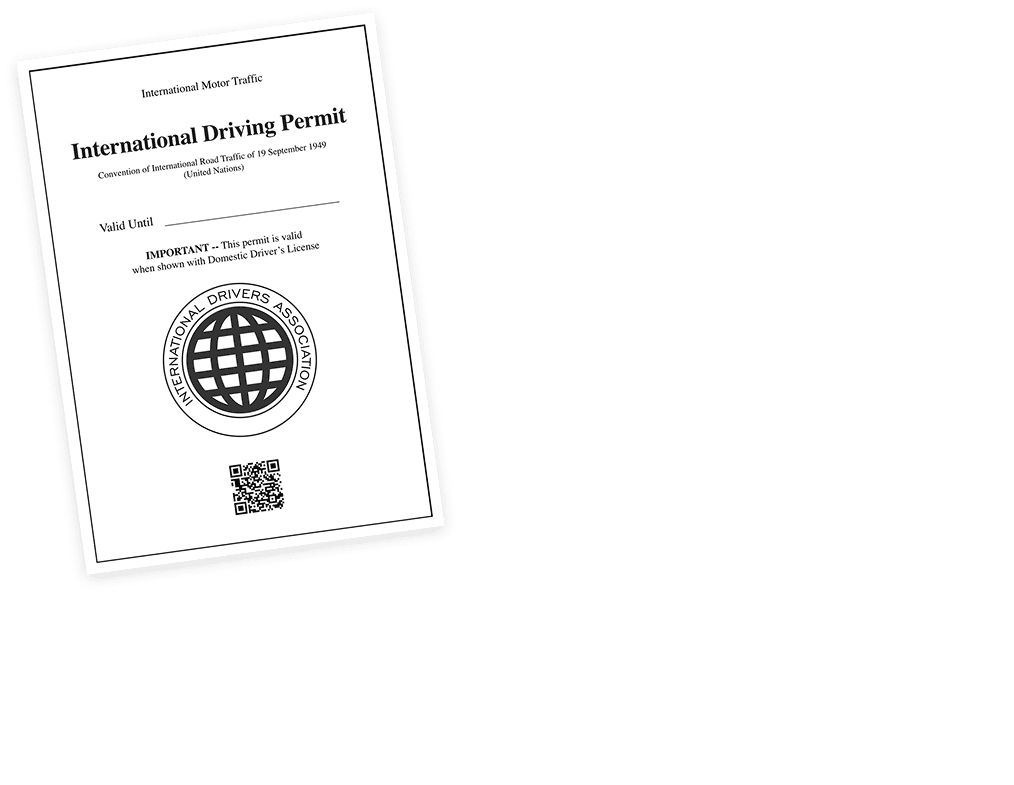
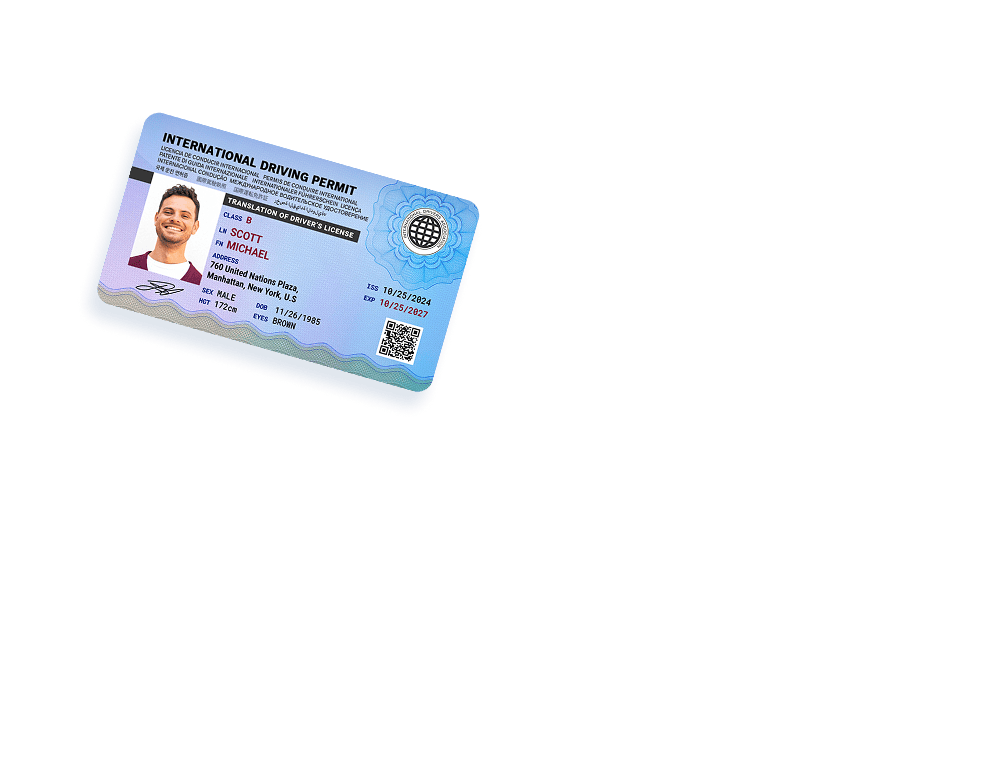
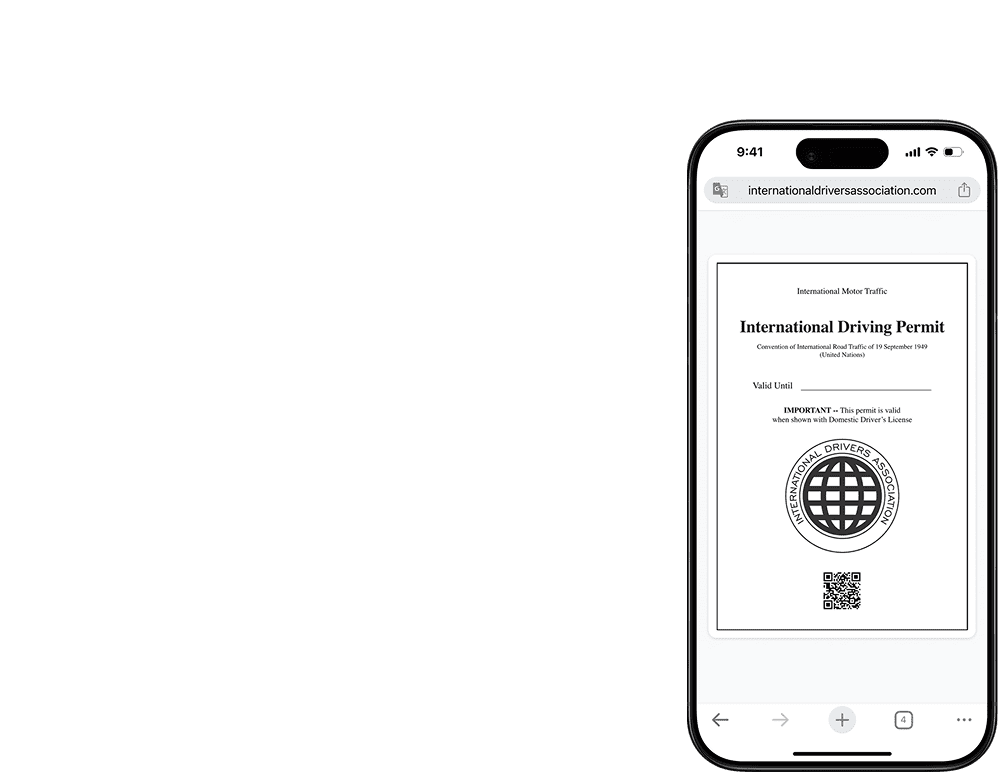
Copertura globale
Cartaceo + digitale | Validità 3 anni
$79
$149







Austria consente ai cittadini stranieri di guidare per un massimo di un anno dall'ingresso con una Patente Internazionale di Guida riconosciuta insieme alla propria patente nazionale valida. Il riconoscimento dell'autorità di rilascio è importante qui, conferma che la tua sia accettata prima di guidare.
| Tipo di conducente | Requisito | Note |
|---|---|---|
| Turista / visitatore a breve termine | Richiesta nella maggior parte dei casi | Porta sempre con te la patente originale |
| Conducente di auto a noleggio | Comunemente richiesta | Verifica l'autorità di rilascio con la tua compagnia di noleggio |
| Residente straniero a lungo termine | Si applicano regole diverse | Dopo 1 anno, potrebbe essere necessaria una patente locale |
| Titolare di patente riconosciuta reciprocamente | Potrebbe essere esente | Dipende dall'accordo con il paese di origine |
Assicurati di soddisfare i requisiti di idoneità e di avere i seguenti documenti pronti prima di iniziare.
Tutto ciò che serve è già nel tuo portafoglio
Devi soddisfare tutte le condizioni riportate di seguito
To visit and explore Austria, you must have an International Driving Permit. It is required to drive there legally unless you are from an EU country.
Aside from obtaining an International driver’s license, you must also follow the road and Austria driving rules and regulations to avoid possible troubles along your trip. There may be some road signs that might be unfamiliar to you, so you have to be careful while driving.
An International Driving Permit (IDP) is required. Checkpoints on Austrian roads are unpredictable.
If you are a European Union (EU) citizen, you do not need to obtain an international driving license in Austria. Austrian authorities do acknowledge driving licenses from EU citizens.
Besides your International Drivers License, remember to bring your local driver's license, passport, and other important documents. Austrian authorities might question you, and they might look for the documents mentioned.
Drinking and driving is illegal in most countries, including Austria, as it causes severe accidents. In Austria, the maximum blood alcohol level for driving is 0.05%. New drivers with less than two years of experience have a lower limit of 0.01%. Exceeding these limits can result in fines and possible license denial.
Every road has a speed limit. Authorities are strict about speeding since it contributes to severe accidents. Violating speed limits in Austria can result in fines starting from €30 and possible license denial.
Road signs serve a crucial purpose – guiding and assisting drivers during their trips. Strict adherence to these signs is essential. Austrians are known for their disciplined driving, and it's equally important to play your part by diligently obeying road signs. This not only contributes to overall road safety but also helps prevent accidents.
Using your phone while driving diverts your attention from the road, posing a significant danger. If your phone has a hands-free system, it can be used for navigation. If you must attend to your phone, pull over gradually, activate your hazard lights, and then use your phone.
It is never okay to run a red light. No matter how impatient you are or how you really want to cross the road, do not run a red light. It can lead to severe accidents, not just to you but also to other drivers on the road. Violating this would get you fined starting from €70.
In Austria, seatbelt compliance is strictly enforced. Failure to wear a seatbelt can result in hefty fines or even license suspension. All occupants, including passengers in the backseat, must wear seatbelts while the vehicle is in motion.
Austria, with 46 million visitors in 2019, is known for skiing, après-ski, hospitality, and off-slope activities. Its castles, palaces, and architectural works also attract tourists. A brilliant destination for outdoor enthusiasts, Austria offers diverse sights and activities. Here are the best places to visit in Austria.
Dating back to the 1600s and playing a significant cultural role in Austria, the Schonbrunn Palace is a massive complex with 1441 rooms, standing as the primary tourist draw in Vienna. The palace, constructed in the Baroque style, is an expansive structure characterized by its symmetrical design, featuring a multitude of windows and statues embellishing the rooftop.
St. Stephen's Cathedral stands out as a culturally significant landmark in Vienna, serving as the city's primary Roman Catholic church. It holds a prominent place among Austria's top attractions. The cathedral's 137-meter-high spire and intricately adorned roof make it a key Gothic structure in the city, encapsulating eight centuries of architectural history.
The amazing Spanish Riding School was established after Emperor Maximilian II introduced the famous Lipizzaner horses to his courtesans in 1562. It is now one of the leading riding schools in the world. It thrills the audience with its fabulous displays of equestrian skills. This is one of the best things to do in Austria, as you can watch world-class performances by the riders and these stunning white horses.
The majority of the permanent art collections and exhibitions at the Belvedere are housed in the Upper Belvedere Palace. This palace consists of two magnificent Baroque structures: the Lower (Unteres) and Upper (Oberes) Belvedere.
Noteworthy features of the Upper Palace include the Ground Floor Hall, adorned with statues, and the Ceremonial Staircase, distinguished by its elaborate stucco relief and frescoes.
It is a must to visit Hofburg when you explore Austria. It was originally a fortified castle that dates back to the 13th century. Inside, the Imperial Silver Collection, Sisi Museum, and the Imperial Apartments told a wealth of rich culture and history to explore.
If you love heights, you should not miss Vienna's skyline landmark. The Wiener Reisenrad is one of the earliest Ferris wheels ever built. The nearly 65 m (212 ft) tall Ferris wheel opened in 1897 in celebration of the Golden Jubilee of Emperor Franz Josef I. Enjoy the breathtaking and stunning views over Vienna's UNESCO-listed historic center.
Exploring Austria without experiencing skiing diminishes the excitement of the visit. Austria is renowned globally as a premier destination for reliable snow conditions and skiing. The well-known resort town of Kitzbühel offers enthusiasts 170 kilometers of skiable pistes, featuring charming mountain huts along its slopes. This skiing destination is highly sought after and ranks among the top skiing resorts in Austria.
Are you ready to embark on your Austrian adventure? With your International Driving Permit, you're set to traverse the scenic landscapes and immerse yourself in the nation's rich history. Whether strolling around the stunning Schönbrunn Palace, riding on the Wiener Riesenrad, or challenging yourself with a ski trip in Kitzbühel, Austria offers something for everyone.
Don't wait; explore our International Driving License Packages and start planning your Austrian escapade. Safe journey!
To visit and explore Austria, you must have an International Driving Permit. It is required to drive there legally unless you are from an EU country.
Aside from obtaining an International driver’s license, you must also follow the road and Austria driving rules and regulations to avoid possible troubles along your trip. There may be some road signs that might be unfamiliar to you, so you have to be careful while driving.
An International Driving Permit (IDP) is required. Checkpoints on Austrian roads are unpredictable.
If you are a European Union (EU) citizen, you do not need to obtain an international driving license in Austria. Austrian authorities do acknowledge driving licenses from EU citizens.
Besides your International Drivers License, remember to bring your local driver's license, passport, and other important documents. Austrian authorities might question you, and they might look for the documents mentioned.
Drinking and driving is illegal in most countries, including Austria, as it causes severe accidents. In Austria, the maximum blood alcohol level for driving is 0.05%. New drivers with less than two years of experience have a lower limit of 0.01%. Exceeding these limits can result in fines and possible license denial.
Every road has a speed limit. Authorities are strict about speeding since it contributes to severe accidents. Violating speed limits in Austria can result in fines starting from €30 and possible license denial.
Road signs serve a crucial purpose – guiding and assisting drivers during their trips. Strict adherence to these signs is essential. Austrians are known for their disciplined driving, and it's equally important to play your part by diligently obeying road signs. This not only contributes to overall road safety but also helps prevent accidents.
Using your phone while driving diverts your attention from the road, posing a significant danger. If your phone has a hands-free system, it can be used for navigation. If you must attend to your phone, pull over gradually, activate your hazard lights, and then use your phone.
It is never okay to run a red light. No matter how impatient you are or how you really want to cross the road, do not run a red light. It can lead to severe accidents, not just to you but also to other drivers on the road. Violating this would get you fined starting from €70.
In Austria, seatbelt compliance is strictly enforced. Failure to wear a seatbelt can result in hefty fines or even license suspension. All occupants, including passengers in the backseat, must wear seatbelts while the vehicle is in motion.
Austria, with 46 million visitors in 2019, is known for skiing, après-ski, hospitality, and off-slope activities. Its castles, palaces, and architectural works also attract tourists. A brilliant destination for outdoor enthusiasts, Austria offers diverse sights and activities. Here are the best places to visit in Austria.
Dating back to the 1600s and playing a significant cultural role in Austria, the Schonbrunn Palace is a massive complex with 1441 rooms, standing as the primary tourist draw in Vienna. The palace, constructed in the Baroque style, is an expansive structure characterized by its symmetrical design, featuring a multitude of windows and statues embellishing the rooftop.
St. Stephen's Cathedral stands out as a culturally significant landmark in Vienna, serving as the city's primary Roman Catholic church. It holds a prominent place among Austria's top attractions. The cathedral's 137-meter-high spire and intricately adorned roof make it a key Gothic structure in the city, encapsulating eight centuries of architectural history.
The amazing Spanish Riding School was established after Emperor Maximilian II introduced the famous Lipizzaner horses to his courtesans in 1562. It is now one of the leading riding schools in the world. It thrills the audience with its fabulous displays of equestrian skills. This is one of the best things to do in Austria, as you can watch world-class performances by the riders and these stunning white horses.
The majority of the permanent art collections and exhibitions at the Belvedere are housed in the Upper Belvedere Palace. This palace consists of two magnificent Baroque structures: the Lower (Unteres) and Upper (Oberes) Belvedere.
Noteworthy features of the Upper Palace include the Ground Floor Hall, adorned with statues, and the Ceremonial Staircase, distinguished by its elaborate stucco relief and frescoes.
It is a must to visit Hofburg when you explore Austria. It was originally a fortified castle that dates back to the 13th century. Inside, the Imperial Silver Collection, Sisi Museum, and the Imperial Apartments told a wealth of rich culture and history to explore.
If you love heights, you should not miss Vienna's skyline landmark. The Wiener Reisenrad is one of the earliest Ferris wheels ever built. The nearly 65 m (212 ft) tall Ferris wheel opened in 1897 in celebration of the Golden Jubilee of Emperor Franz Josef I. Enjoy the breathtaking and stunning views over Vienna's UNESCO-listed historic center.
Exploring Austria without experiencing skiing diminishes the excitement of the visit. Austria is renowned globally as a premier destination for reliable snow conditions and skiing. The well-known resort town of Kitzbühel offers enthusiasts 170 kilometers of skiable pistes, featuring charming mountain huts along its slopes. This skiing destination is highly sought after and ranks among the top skiing resorts in Austria.
Are you ready to embark on your Austrian adventure? With your International Driving Permit, you're set to traverse the scenic landscapes and immerse yourself in the nation's rich history. Whether strolling around the stunning Schönbrunn Palace, riding on the Wiener Riesenrad, or challenging yourself with a ski trip in Kitzbühel, Austria offers something for everyone.
Don't wait; explore our International Driving License Packages and start planning your Austrian escapade. Safe journey!
Unisciti a migliaia di viaggiatori soddisfatti che si affidano a noi per i loro permessi di guida internazionali
Rimborso totale in caso di mancata accettazione, e sostituzioni gratuite illimitate.
Miglior rapporto qualità-prezzo

Copertura massima – include tutto ciò di cui potresti aver bisogno all'estero

Tranquillità immediata – pronto da scaricare in pochi minuti
Trova rapidamente le risposte alle domande più comuni e ottieni subito le informazioni che ti servono.
Yes, an International Driving License is required in Austria. Always bring your International Driving Permit (IDP) when driving. Get your International Drivers Permit through our website. No driving test is needed in foreign countries. International Driving Permit (IDP) is valid for 3 years. Rental companies often require an International Driving Permit (IDP) for foreign drivers, regardless of their European country of origin. However, if you're from an EEA country, you might not need it, simplifying the car rental process.
Yes, you must be at least 18 years old to apply for an International Driving Permit in Austria. Additionally, you must already possess a valid Austrian driver's license. The International Driver's License serves as a supplementary document to your national license and is valid for one year from the date of issue.
Yes, the International Driver's license issued in Austria is generally recognized worldwide. It serves as a translation of your Austrian driver's license and allows you to drive in many countries that honor the International Driving Permit. However, it's essential to check the specific requirements of the country you plan to visit, as not all countries have the same regulations regarding international driver's licenses.
Yes, an Indian driving license is valid in Austria for up to 12 months from the entry date, provided it is in English or accompanied by a certified translation. However, if you establish residence in Austria, the license is only valid for 6 months from residency. Carrying an International Driving Permit (IDP) for translation is advisable.
Driving in Austria is generally safe for Indian tourists, thanks to the country's well-maintained roads, efficient public transport, and strict adherence to traffic regulations. Austrian drivers are typically courteous, and the road signage is clear and easy to understand, which can help ease navigation for those unfamiliar with the area.
La Patente Internazionale di Guida è un requisito per guidare o noleggiare un'auto nella maggior parte dei paesi stranieri.