Thailand Driving Guide
Get your International Driving Permit and unlock Thailand's stunning beaches, majestic temples, and vibrant culture.
Thailand’s roads are a wild mix of tuk-tuks, scooters, stray dogs, and cars that treat lane markings like polite suggestions. Sound scary? Don’t worry it’s not impossible. In fact, driving here can be one of the best ways to explore beyond the typical tourist spots. But you’ve got to be ready.
You’re not just driving. You’re adapting.
Driving in Thailand means letting go of what you think should happen on the road and learning to read what’s really happening around you. That might sound intense, but it can be surprisingly freeing once you settle in.
Here’s what I’ve learned over years of driving these roads and what I wish every tourist knew before getting behind the wheel.
Where was your license issued?
Destination
Can Tourists Drive in Thailand?
Yes, tourists can drive in Thailand if they carry their national license and an International Driving Permit (IDP). Both documents must be presented together when asked.
Some tourists get away with just their license, but that’s risky. Not having an IDP can lead to police fines, insurance problems, or being turned away at car rental counters. And trust me, that’s not how you want to start your road trip.
What documents do you need?
Here’s what you should always have on hand when driving in Thailand:
- Your national driver’s license
- An International Driving Permit (IDP) issued in your home country
- Your passport or a photocopy
- Your rental contract (if applicable)
Keep them together in the glove box or your daypack. Police checkpoints are common, especially near tourist areas.
Real talk from a local driver
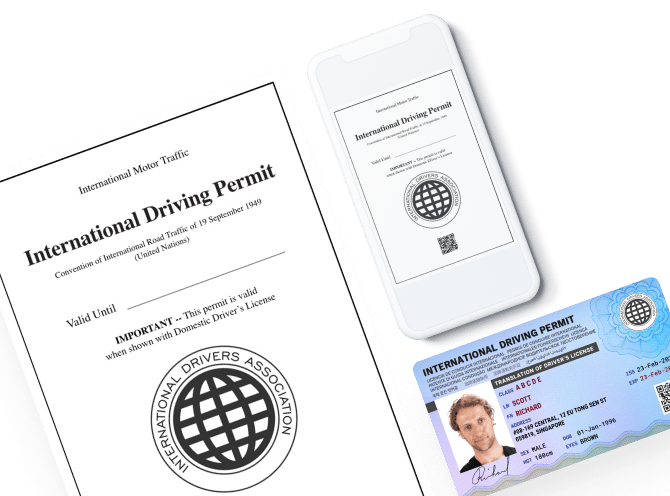
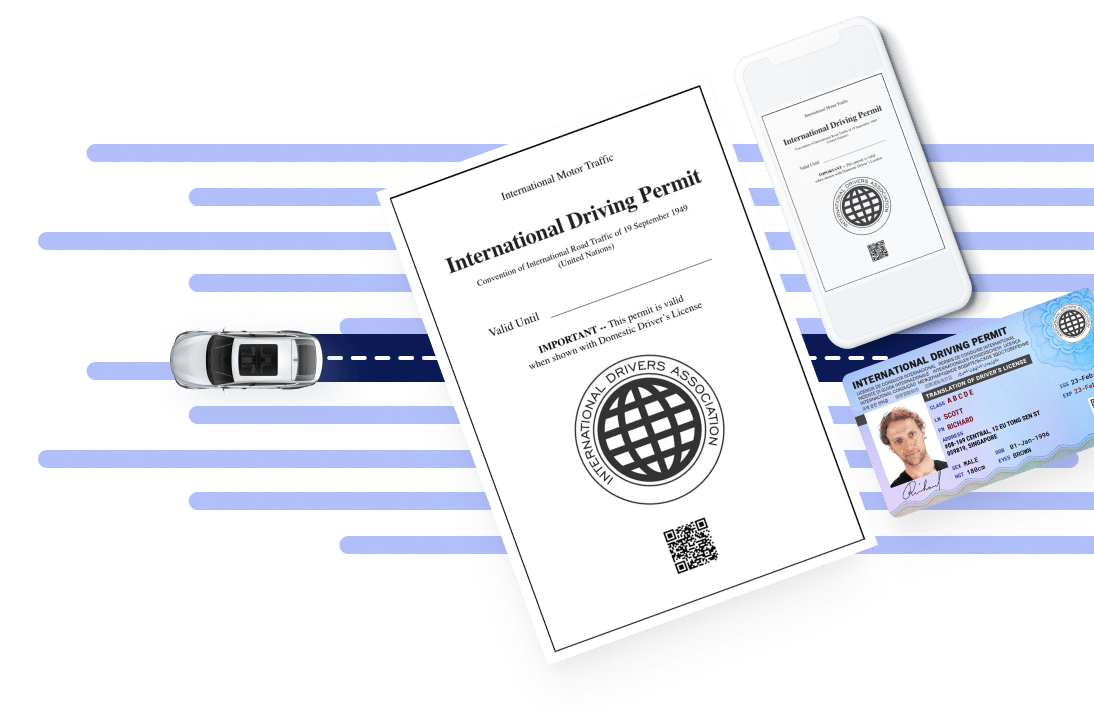
Locals know the game: Sometimes the law says one thing, but the road plays by its own rules. That’s where the IDP comes in. It speaks the language literally. It’s a physical, multi-language document that Thai police and rental agencies recognize without question.
I’ve seen tourists get waved through because they flashed their IDP, while others without one were pulled aside and fined. At around 500 baht, it’s not the end of the world… but it sure kills the vibe.
Why your national license isn’t always enough
Even if your license is in English and has a photo, it’s not always accepted by Thai authorities. According to the Thai Department of Land Transport, foreign drivers are required to carry both a valid national license and an International Driving Permit (IDP) under the 1949 or 1968 UN Convention on Road Traffic.
Some tourists may pass checkpoints with just their license, but it’s inconsistent. Rental agencies may refuse the car, and worse, insurance providers can void coverage if you lack an IDP, even if the accident isn’t your fault [source: Avis Thailand T&Cs].
It’s not worth the risk. An IDP guarantees smoother rentals, fewer arguments at police checkpoints, and valid insurance coverage in case of accidents.
What if you're from ASEAN?
Technically, licenses from ASEAN countries should be valid. In reality? Some officers still ask for an IDP. Best to have one anyway, it keeps the conversation short and avoids awkward translations.
🧾 Quick Tip: Where to get your IDP
Don’t wait until you land. Get your IDP online before your trip.
✅ InternationalDriversAssociation.com
— Fast. Recognized in 150+ countries. Digital + printed copy available.
Don’t rely on slow embassy lines or hard-to-find local offices once you’re here.
The Reality of Thai Roads – A Bit Wild, A Bit Wonderful
Driving in Thailand is like joining a fast-moving parade with no conductor. It’s loud, messy, and somehow… it works.
Driving in Thailand can feel chaotic, but it’s not lawless. In reality, it operates on informal road norms. Lane markings are flexible, turn signals are optional, and larger vehicles are given silent priority.
The Royal Thai Police confirm that informal driving behavior, such as lane filtering by motorbikes or sudden merges is not necessarily illegal, but it increases accident risk.
Tourists should adopt a defensive driving mindset, expect unpredictability, and avoid aggressive maneuvers. In this environment, "jai yen" (cool heart) is more useful than assertive tactics.
It’s not lawless, it’s flexible
Thailand has traffic laws. But what you’ll see day-to-day? That’s the unwritten version.
- Lane lines? More like soft suggestions.
- Turn signals? Optional.
- Right of way? Whoever gets there first… or is biggest.
If you’re coming from a place where everyone follows the rules to the letter, this can feel chaotic. But locals aren’t being reckless, they’re just tuned into a different driving frequency. It’s all about being aware, patient, and ready to adjust.
The “Eyes Front” philosophy
Here, most drivers focus only on what’s ahead. That means they might merge without looking or pull out without warning. So what do you do? You expect it.
Think of it like this: You’re responsible for the space in front of you and the mistakes of the guy next to you.
This isn’t a place for assertive driving. It’s a place for calm, cautious confidence.
Motorbikes are everywhere and I mean everywhere
Thailand runs on two wheels. Motorbikes squeeze between lanes, ride on sidewalks, and pop out from side alleys. Give them space, watch your mirrors, and never assume they’ll follow the rules.
Bigger vehicles get more respect
There’s a quiet rule on Thai roads: size matters. Trucks, buses, and SUVs often expect you to get out of their way and most people do.
If a big vehicle starts nudging into your lane or flashing its lights, don’t challenge it. Let it go. That’s just part of the local flow.
Patience is power
Even when it’s hot, traffic is thick, and someone cuts you off stay cool. Literally. Losing your temper makes things worse.
There’s a Thai phrase "jai yen" it means “cool heart.” Bring it with you behind the wheel.
What You Need to Drive Safely (And Sanely)
To drive in Thailand without stress, you need more than just a car. You need the right mindset and the right paperwork.
Locals have a sixth sense on the road. As a tourist, you don’t. So give yourself the best chance by being prepared.
Here’s your must-have checklist
Always keep these in your car or on you:
✅ Your national driver’s license
✅ Your International Driving Permit (IDP)
✅ Your passport (or a clear copy)
✅ Rental agreement and insurance papers
✅ A calm attitude, seriously, it helps
No IDP? That alone can get you fined, or worse leave you uncovered if there’s an accident.
Defensive driving is the name of the game
In Thailand, you’re not just driving your car, you’re driving for everyone around you too.
- Expect sudden stops. That car ahead might brake for no reason.
- Leave extra space. Tailgating here is asking for a scratch.
- Don’t rely on signals. Watch the vehicle, not the blinker.
- Look both ways, always. Even on a green light.
Think of it like playing chess in traffic: You need to stay three moves ahead.
When things go sideways, stay cool
Got pulled over at a checkpoint? Don’t panic.
- Smile. Be polite. Hand over your docs.
- Most checks are routine.
- If you’ve got your IDP and passport, you’re golden.
- If not… expect a fine of around 500–2,000 baht.
And if something feels off? You can ask to speak to the Tourist Police (1155). They’re used to helping foreigners.
Insurance isn’t optional
Thailand has a high accident rate. Don’t roll the dice.
Thailand has one of the highest road fatality rates in the world, with 32.7 deaths per 100,000 people according to the World Health Organization (2019). Many of these incidents involve tourists unfamiliar with local road dynamics.
Drunk driving, low helmet compliance, and unpredictable traffic patterns increase the risk, especially at night or during holidays [source: Thai MoPH, WHO].
Don’t treat insurance as optional. Many providers will refuse claims if you were driving without an IDP, a proper license class, or helmet (for scooters). Read the fine print or opt for Super CDW (Collision Damage Waiver) to reduce financial liability.
Local Tip: Carry small cash for emergencies
Toll booths, gas stations in rural areas, or random flat tire help, cash makes things smoother. Keep 500–1,000 baht tucked in your dash.
Road Conditions & Hazards – City, Coast, Countryside
Thailand’s roads are as diverse as its food, smooth highways, twisty mountain passes, flooded village paths. You’ll see it all.
So don’t expect every drive to feel the same. The quality of your route can change in a blink.
Bangkok: Crowded, noisy, but predictable
Driving in the capital is a test of patience, not skill.
- Expect gridlock during rush hours (7–9:30 AM, 5–8 PM).
- Lane markings mean little. Motorbikes fill every gap.
- Finding parking is like winning the lottery.
- Good news? Roads are mostly paved and lit.
If you’re new to driving in Thailand, skip driving in Bangkok. Use Grab or a taxi.
Mountain roads: Beautiful but not for beginners
Head north toward Chiang Mai or Pai? Gorgeous views, sharp bends, fog, and steep hills await.
- Corners can be blind. Honk lightly before turning.
- Use low gear on downhills, brakes overheat fast.
- Watch out for motorbikes cutting curves.
- After dark? Forget it. Not worth the risk.
Coastal and island roads: Narrow and scenic
Places like Phuket, Krabi, or Koh Samui have some great drives but they come with quirks.
- Lanes are tight. Everyone shares: buses, scooters, food carts.
- Potholes and sand on the road? Common.
- Heavy tourist traffic around beaches.
- Rainy season (May–October) brings flash flooding.
Rural roads: Anything goes
Away from cities and highways, roads become unpredictable.
- Some are smooth asphalt, others feel like off-roading.
- Dogs, chickens, and water buffalo can appear out of nowhere.
- Road signs may be Thai-only.
- Gas stations? Few and far between, fuel up early.
Real local hazard: Animals
In some areas, especially near forests or villages, don’t be shocked to see:
- Dogs sleeping on the road
- Cows walking slowly in traffic
- Elephants with riders crossing highways
Slow down, give space, and don’t honk, it rarely helps.
Night driving? Think twice.
After dark, the risks multiply:
- Many roads lack street lights.
- Other drivers may run red lights or drive without headlights.
- Drunk driving is more common at night.
- Stray animals and sharp curves are harder to see.
If you absolutely must drive at night, stick to well-lit highways and drive slower than usual.
Local tip: Use Google Maps, but trust your eyes
Navigation apps are helpful but not perfect. Some shortcuts may take you down sketchy backroads or through construction zones.
Renting a Car or Scooter – Read This First
Renting a vehicle in Thailand is easy, until it’s not. One wrong move and you’re paying for someone else’s scratch or driving uninsured.
Do it right, and it’s your ticket to total freedom. Do it wrong, and you’re in for a stressful ride.
Where to rent (and where to run)
You’ve got two main options:
- International brands like Hertz, Budget, or Avis, reliable, predictable, usually more expensive.
- Local companies — cheaper, friendlier, but quality varies a lot.
Avoid renting from someone with no sign, no office, and no paper trail. That guy on the beach with a laminated sheet and a van? That’s a no.
Where was your license issued?
Destination
Before you drive off, do this:
Inspect the car like your deposit depends on it, because it does.
- Take clear photos of every dent, scratch, crack, and scuff.
- Don’t forget the rims, roof, under the bumper, and inside.
- Make sure everything’s noted in the rental agreement.
- Double-check tire pressure, lights, horn, and brakes.
Pro tip: Use your phone’s video camera to walk around the car before you drive away.
The IDP isn’t just for police, it’s for insurance
Some rental places may skip asking for an IDP. Don’t take that as a sign you don’t need one.
If you get into an accident without the proper documents (IDP + national license), your insurance can be completely void. You’ll be on the hook for thousands of baht or more.
Scooter rental: more risk, more rules
Renting a scooter seems fun, but it’s also the #1 cause of serious tourist injuries in Thailand. The Ministry of Public Health reports that over 75% of foreign traffic injuries involve motorbikes, and many occur without helmets or licenses.
If your home license doesn’t cover motorcycles, your IDP won’t either — and your insurance is void. Rental shops may not check, but insurance companies will.
Helmets are legally required, but only 44% of riders wear them according to AIP Foundation studies. Don’t become a statistic: only ride if you’re licensed, trained, and fully insured.
Insurance options – don’t cheap out
There’s usually a basic insurance included, but it comes with a catch: a big excess (the amount you pay if something goes wrong).
- Standard Excess: Often 5,000–10,000 baht
- Super CDW (Collision Damage Waiver): Lowers your liability, sometimes to zero
Buy the better coverage. It’s worth every baht when someone rear-ends you in a 7-Eleven parking lot.
Documents you’ll need to rent:
- Passport
- Valid national driving license
- International Driving Permit (IDP)
- Credit card (for the security deposit)
Local tip: Ask if roadside assistance is included
Breakdowns happen. You don’t want to be stranded in the middle of nowhere trying to explain “engine smoke” over Google Translate.
The Police Checkpoint Dance – Don’t Panic
You’ll hit a checkpoint eventually. It’s normal. Just stay cool, show your papers, and smile.
Most checkpoints are about licenses, helmets, seatbelts, or drunk driving. They’re not out to ruin your trip, they’re part of daily Thai road life.
What happens at a checkpoint?
- A cop waves you to the side.
- You roll down the window and smile.
- They ask for your license, passport, and rental papers.
- You hand over your national license + IDP.
- They check, nod, and wave you through.
If you don’t have an IDP? That’s usually a fine of 500–2,000 baht, sometimes on the spot.
What documents to show:
✅ Your national driver’s license
✅ Your International Driving Permit (IDP)
✅ A copy of your passport (they rarely take the original)
✅ Vehicle registration or rental agreement
Put these in one pouch. You’ll thank yourself later.
Common reasons tourists get fined:
- No IDP
- No seatbelt (even in the back seat!)
- No helmet (on a scooter)
- Using a phone while driving
- Expired documents
- Driving without a license at all (yes, people try)
Can you talk your way out of it?
No. But you can avoid making it worse.
Stay calm. Stay polite. Don’t argue. Losing your temper in Thailand makes everything worse and it might increase the fine.
If you’re unsure what’s happening, ask for the Tourist Police (dial 1155). They’re trained to help foreigners.
Local tip: Never offer a bribe
If you’re asked for a fine, it’s okay to pay. But don’t pull out extra cash hoping to “make it go away.” That’s risky, and it can backfire.
When Not to Drive – Know Your Limits
If you’re tired, it's raining hard, or the sun’s gone down, skip the drive. Some roads here just aren’t worth the risk.
Not every trip needs to be an adventure. Knowing when to park the car and take a break is part of driving smart in Thailand.
Avoid driving at night if you can
Nighttime driving here isn’t just dark, it’s unpredictable.
- Many roads outside cities have zero street lights.
- Some drivers don’t use headlights at all.
- Drunk driving is more common after dark.
- Animals, pedestrians, or bikes might appear without warning.
Even locals avoid long-distance driving at night unless they really need to.
Rainy season = slippery, flooded roads
From May to October, rain can come fast and heavy. Roads flood in minutes. And potholes? Hidden under puddles.
- Don’t drive through water unless you’ve seen another car safely do it.
- If your wipers can’t keep up, pull over.
- Watch out for oil-slick roads right after the first rain.
Skip the scenic route if you’re exhausted
Thai highways can be long and hypnotic. Add jet lag, heat, and stress from dealing with motorbikes and it’s a recipe for fatigue.
- Take breaks every 2–3 hours.
- Switch drivers if you can.
- Don’t try to “push through” to get there before sunset.
Local tip: Don’t “learn as you go” in traffic
If you’ve never driven on the left side of the road, practice in a quiet area first. Early mornings in a rural neighborhood work well. Get used to turning, parking, and using mirrors before tackling real traffic.
What If There’s an Accident?

If there’s a crash, big or small, stay calm, don’t run, and don’t admit fault. Thailand handles accidents a bit differently.
Foreigners often panic, but the process is simple if you know what to do.
First things first: stop and breathe
- Don’t move your vehicle unless it’s blocking traffic or dangerous.
- Turn on your hazard lights.
- If someone’s hurt, call 1669 for emergency medical help.
- For police, dial 191.
Who to call (in order):
- Emergency services if there are injuries
- Police (191) to file an official report
- Your rental company — they may send a staff member to help
- Your insurance company — they’ll send a representative to the scene
Most Thai insurers dispatch someone to the spot, they act as your translator, helper, and paperwork guide. That’s a huge help if you don’t speak Thai.
What to do (and what not to)
✅ Exchange names, contact numbers, and vehicle info
✅ Take photos from every angle: damage, plates, the whole scene
✅ Get the police report if there’s one, you’ll need it for insurance
❌ Don’t admit blame, even if you think it’s your fault
❌ Don’t offer cash on the spot
❌ Don’t raise your voice
Let the police and insurance reps figure out what happened.
What about small scrapes or fender-benders?
Even for minor accidents, call your rental company and let them handle it. You don’t want a scratch to turn into a “you broke the whole bumper” claim.
This is also where Super CDW insurance shines, you’ll likely walk away without paying anything extra.
Local tip: Have a printed cheat sheet
Keep a printed slip in your glovebox that says:
“I am a tourist. I’ve contacted the rental company and insurance. Please wait. I do not speak Thai.”
It helps if emotions run high or there’s a language gap.


Why Your IDP is a Lifesaver?
An International Driving Permit (IDP) isn’t just paperwork. It’s your golden ticket to driving safely, legally, and confidently in Thailand.
Some tourists skip it. They get lucky. Others? Fined, denied car rentals, or left stranded after an accident. Don’t gamble.
What does an IDP actually do?
- Translates your license into Thai (and many other languages)
- Proves you’re a valid driver
- Satisfies police at checkpoints
- Keeps your insurance valid
- Required by most rental agencies
Even if your license is in English, many Thai officers and rental clerks prefer the IDP because it’s standard, official, and easy to verify.
Real talk from locals and repeat travelers
I’ve seen it too many times: A tourist argues that their license should be enough. And maybe it is, on paper. But on the road, when a tired officer or a small-town cop checks your documents, they don’t want to hear a debate. They want to see your IDP.
One small document. A whole lot of peace of mind.
IDP + License = Full coverage
Most insurance companies draw a hard line: No IDP = no coverage, even if your license is valid. That means if something happens, even a minor bump, your “cheap” trip just got expensive.
Why get your IDP online before your trip?
Some travelers think they can get one in Thailand. You can’t.
✅ InternationalDriversAssociation.com makes it easy:
- Fast application
- Digital copy within minutes
- Printed version shipped anywhere
- Accepted in over 150 countries
- Trusted by 100,000+ travelers
No waiting in line. No local office hunting. No translation stress.
Local tip: Store your IDP in your glovebox with your passport copy
If you’re pulled over, you’ll look calm and prepared and get back on the road faster.
Final Word: Drive Smart, Drive Safe
Driving in Thailand isn’t about being perfect, it’s about staying sharp, staying patient, and staying prepared.
The road will challenge you. But if you’ve got your documents, your calm, and your common sense, you’re good to go.
And when in doubt? Get the IDP.
You’ll be glad you did.
Get your International Driving Permit in 8 minutes
Instant approval
Valid for 1-3 years
Worldwide express shipping