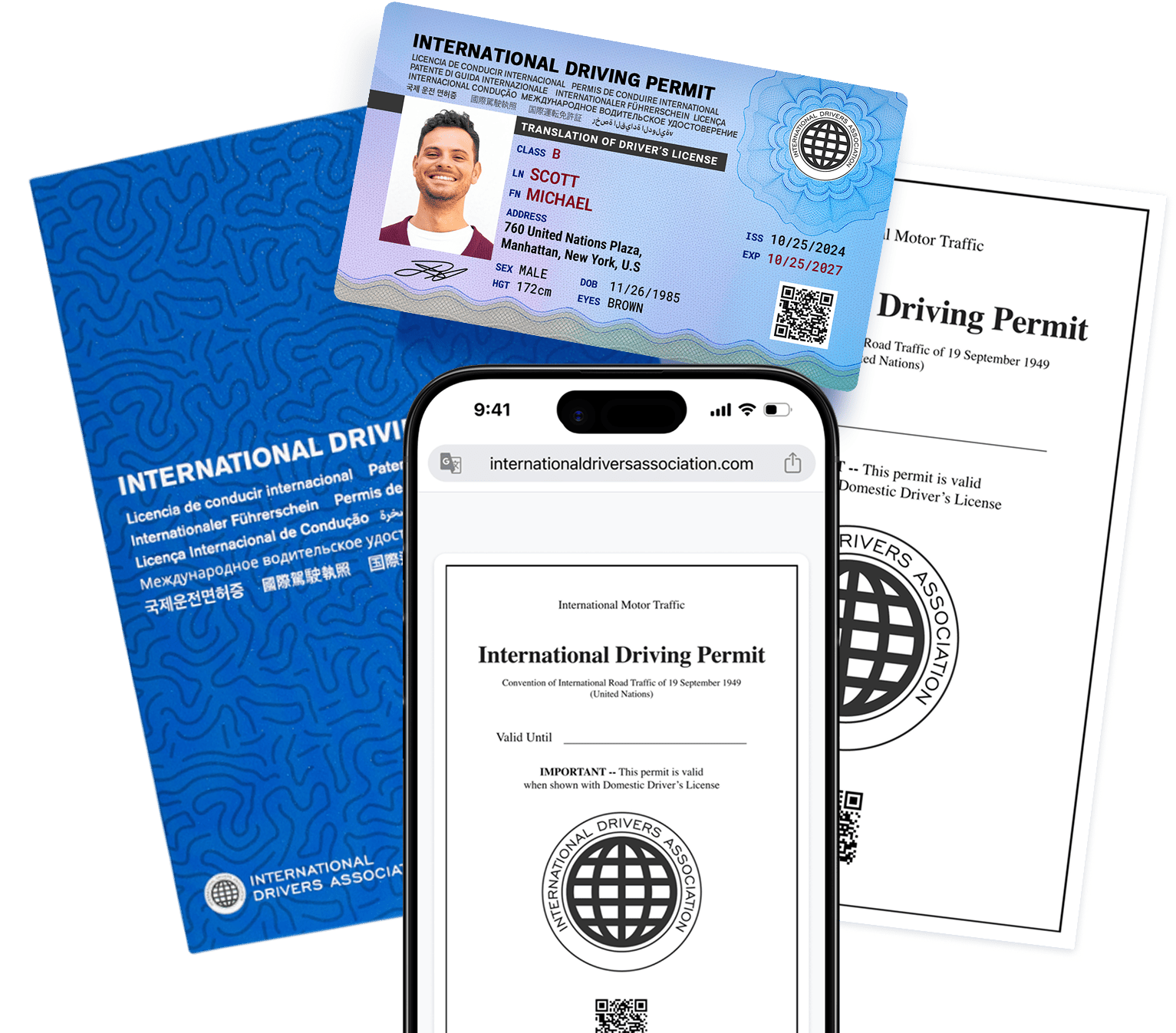
Driving in Egypt: A Local’s Guide for Tourists
As a lifelong Egyptian driver, I'm happy to share an inside perspective on what it’s really like to drive here. From Cairo’s chaotic streets to the open desert highways, driving in Egypt can be both exciting and overwhelming.
In this guide, I’ll walk you through real-world road conditions, local driving habits, traffic laws, and practical tips for renting a car and navigating Egypt’s roads safely. Whether you’re wondering about using your foreign license, the driving age, or how different cities compare, this local’s guide has you covered.
Разбиране на шофьорската култура и условията в Египет
What is it like to drive in Egypt?
Driving in Egypt is often described as organized chaos. The roads are a lively free-for-all where confident, assertive driving is a must. Expect a spirited local driving style – drivers commonly weave and negotiate for space with a symphony of horn honks.
Don’t be startled by the constant honking; Egyptians often use the horn as a friendly signal or warning, not necessarily out of anger. There’s an unspoken rhythm to the madness that seasoned locals instinctively understand.
Traffic Flow: A Constant Negotiation
In big cities like Cairo or Alexandria, traffic congestion is part of daily life. Drivers often create their own lanes, squeezing three cars into space meant for two. Right of way? It’s often decided through eye contact and confidence, not strict traffic rules.
Defensive driving is essential—always anticipate sudden lane changes, unexpected stops, or pedestrians crossing wherever they please.
Tip: Don’t be intimidated by honking. In Egypt, it’s often used as a friendly signal, not a sign of road rage.
Vehicle Variety: Expect the Unexpected
Be prepared to share the road with a mix of vehicles. In addition to cars and buses, you’ll encounter motorcycles zipping through gaps, scooters, and in some areas the iconic motorized rickshaws (tuk-tuks) darting through traffic.
In rural villages or outskirts, don’t be surprised to see donkey carts or people on horseback on the road’s shoulder. This mix means you must stay vigilant at all times.
Road Conditions: Mixed but Improving
Main roads and highways in Egypt are generally paved; many major routes are in decent condition or newly built. For example, the Cairo–Alexandria Desert Highway is a well-maintained toll road. However, smaller side streets can have potholes or uneven surfaces. In older parts of cities, streets may be narrow and crowded with parked cars, market stalls, and pedestrians.
⚠️ Caution: Night driving can be hazardous on highways and rural roads – some drivers have a habit of driving with headlights off at night (flashing them only when approaching) , and you might encounter stray animals or unlit vehicles. It’s wise to avoid long-distance driving after dark outside of urban areas.
Parking in Cities
Parking in crowded cities is something of an art form. You’ll often find cars snugly squeezed into every possible space. In busy districts, informal parking attendants (often just locals) will help guide you into a tight spot and expect a small tip in return. This is normal – we call it a friendly service for a few Egyptian pounds. Do use them if you’re unsure; they know exactly how to inch your car with millimeters to spare.
⚠️ Just remember to never leave valuables visible in your car and always lock up.
Police and Checkpoints
Don’t be alarmed by frequent police checkpoints on highways or at city entrances. These are routine security measures, especially for vehicles with tourists. Most stops are quick ID checks. Have your passport, International Driving Permit (IDP), original license, and car papers ready.
In certain areas like Upper Egypt or near borders, police may escort tourists in convoys for added safety. But in most places, you can drive independently as long as you follow the rules and comply politely when stopped.
These measures are generally in place to protect travelers—and most visitors find local police to be respectful and helpful when documents are in order.
Правила и разпоредби за движение в Египет
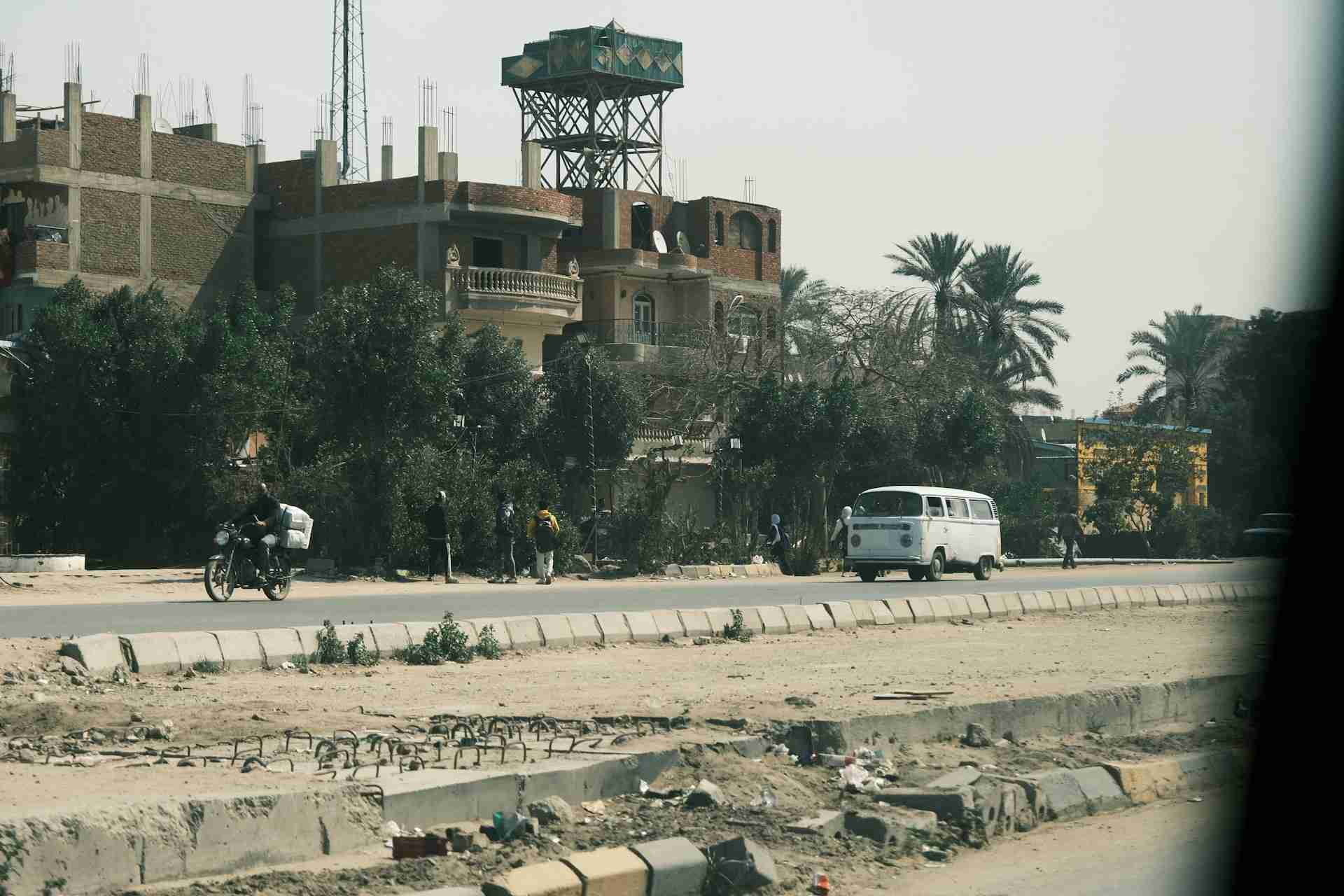
Въпреки привидно свободното движение на египетския трафик, съществуват официални закони, които трябва да знаете и спазвате. Нашите правила за движение до голяма степен съответстват на международните стандарти, дори ако местните понякога ги нарушават. Ето ключовите разпоредби и закони, които чуждестранните шофьори трябва да знаят:
What Side of the Road Does Egypt Drive On?
Egypt follows right-hand driving. That means you drive on the right side of the road, and the steering wheel is on the left side of the car. This can be a major adjustment if you're used to left-hand traffic systems.
Speed Limits in Egypt
- 🏙 Cities: 50–60 km/h (around 30–37 mph)
- 🛣 Open roads: 90 km/h (~55 mph)
- 🛤 Expressways: 100–120 km/h (varies by road)
While many drivers treat speed limits as flexible, don’t follow their lead. Speed cameras (often unmarked)—are in use on major highways. You could be stopped and shown a photo of your speeding car. Fines may be small (on the order of a few hundred EGP, roughly only a few dollars), but it’s not worth the risk.
Tip: Stay in the right lane if others are speeding. Drive at a pace you’re comfortable with.
Seat Belt Laws
Wearing seat belts is mandatory for all vehicle occupants in Egypt. In practice many locals might neglect the backseat belt, but as a foreigner you should absolutely buckle up in front and back for safety (and to avoid fines).
Mobile Phone Use While Driving
Using a handheld phone while driving is illegal. If you don’t have a hands-free system, let your passenger handle calls and directions. Police can fine you if you’re caught using a phone behind the wheel.
Drinking and Driving Laws
Egypt has zero tolerance for driving under the influence. While the official blood alcohol limit is 0.05%, any alcohol in your system can get you into serious trouble.
Penalties include:
- Heavy fines
- License suspension
- Jail time
Given Egypt’s already unpredictable driving environment, it's best to completely avoid alcohol if you plan to drive. In short, do not drink and drive at all.
Can Women Drive in Egypt?
Yes, there are no gender-based restrictions on driving in Egypt. Women have the same legal right to drive as men, and Egyptian traffic laws apply equally to all drivers . You will see many women driving in Cairo and Alexandria, from professionals commuting to work to mothers doing school runs.
Culturally, urban Egypt is quite accustomed to women drivers, though in some very traditional rural areas people might still find it a novelty. Female tourists can absolutely rent cars and drive; just exercise the same precautions any driver would.
(For additional comfort, some women travelers choose to dress modestly while driving to avoid unwanted attention, but this is a personal choice, not a legal requirement.)
Traffic Lights and Right of Way
Traffic signals exist but may not always be working—or followed. If a light is out, a police officer usually directs traffic.
Right of way is often decided by:
- Assertiveness
- Size of vehicle
- Local gestures and eye contact
Pedestrians technically have the right of way, especially at crosswalks or in markets. But don’t count on others yielding—stay alert.
Are Road Signs in English?
Yes, in most major cities and on highways, road signs are bilingual (Arabic and English). You’ll recognize shapes and symbols—many are modeled after the British system.
However, in rural areas or side streets, signs might only be in Arabic. Learn a few basics, like:
- “Stop” in Arabic: قف (pronounced qif)
Warning: Don’t rely on lane markings – many drivers ignore them, so a painted lane divider doesn’t guarantee the guy next to you will stay in his lane! In general, pay more attention to the movement of traffic than to road paint.
Is Traffic Law Enforced in Egypt?
Not strictly—at least not always in the cities. Minor violations (like rolling through a stop or creative lane usage) often go unpunished. Even locals joke that “we don’t have traffic laws, only speed cams and the occasional traffic light”.
The U.S. State Department bluntly notes that impatient drivers often ignore traffic rules in Cairo and “police rarely enforce” them. As a foreign driver, however, you should not take this as carte blanche to break rules – you’ll be safer and less likely to attract police attention if you obey the law.
Speed cameras will get you even if officers don’t, and if you’re in an accident or pulled over, you’ll be very glad to have been following the rules. Police checkpoints are primarily looking for serious issues (stolen cars, suspicious activity, etc.) and generally won’t hassle tourists over minor infractions.
Nonetheless, the government has been increasing automated enforcement (cameras) and imposing tougher penalties for dangerous offenses. Always carry your license, IDP, registration, and passport, as failing to produce documents when asked can result in fines or worse.
Наемане на автомобил в Египет: практични съвети
Should You Rent a Car in Egypt?
Renting a car gives you freedom to explore at your own pace – you can drive to off- the-path spots and avoid haggling with taxi drivers. However, you need to honestly assess your driving confidence. City driving in Egypt (especially Cairo and Alexandria) is not for the faint-hearted. I personally do not recommend self-driving in those cities for most foreigners.
If your itinerary is mostly within big cities, you might find it less stressful to use ride-hailing services (like Uber/Careem, which are widely available) or taxis with drivers who know the local quirks.
On the other hand, if you plan to visit multiple cities or sights in different regions – say a road trip from Cairo to Luxor to the Red Sea – having a rental car can be an adventurous and convenient option.
Where to Rent a Car in Egypt
Major international car rental companies operate in Egypt (Hertz, Avis, Europcar, Sixt, etc.), particularly at airports and in large cities. There are also local rental agencies which might offer lower rates, but stick to well-reviewed ones to ensure the cars are reliable.
In Cairo, most rentals are at the airport or in neighborhoods like Zamalek and Maadi. In tourist hubs like Hurghada, Sharm El Sheikh, and Luxor, you’ll also find rental desks. It’s best to reserve in advance (online or via phone) for the best rates and to ensure an English-speaking agent will be available.
What Are the Requirements to Rent?
To rent a car in Egypt, you must:
- Be at least 21 years old (some companies require 23–25)
- Have held a driver’s license for at least 1 year
- Provide a valid passport
- Present an International Driving Permit (IDP)
- Use a credit card in the main driver’s name for the deposit
Drivers under 25 may face a young driver surcharge. Most rentals include basic insurance but often come with a deductible.
Checklist before driving away:
✔ Inspect the car with the agent
✔ Note any scratches or dents
✔ Take photos for your records
What Documents Do You Need to Carry?
Always keep these in the vehicle:
- Original driver’s license
- International Driving Permit (IDP)
- Passport (or a high-quality copy with visa)
- Rental contract
- Car registration papers
- Proof of insurance
If stopped by police, you’ll be asked to present all of the above. Missing documents can lead to fines or delays.
Understanding Car Insurance in Egypt
Basic third-party insurance is usually included in rental agreements, but it’s strongly advised to upgrade your coverage.
Recommended:
✅ Collision Damage Waiver (CDW)
✅ Full coverage to lower or eliminate excess
❌ Watch for exclusions (e.g., tires, windshields, theft)
If you’re relying on credit card insurance, check if Egypt is covered—some providers exclude it.
Note: Scratches, bumps, and minor fender benders are common in Egypt. Full coverage offers peace of mind.
Safety Tips for Renting and Driving in Egypt
Plan Your Route in Advance
Use GPS apps like Google Maps or Waze. Double-check your route before you depart—don’t rely solely on signs.
Avoid Long Night Drives
Night driving between cities is riskier. Watch out for unlit vehicles, stray animals, and limited roadside visibility.
Fueling Up
- Petrol is affordable
- Fuel stations are frequent in towns and along highways
- Pay first or have an attendant pump for you
- Bring cash (small EGP bills) for payment and tips
Tolls and Highways
Some highways (e.g., Cairo–Alexandria) have tolls. They are usually inexpensive, but only payable in cash.
Parking and Vehicle Security
- Use well-lit areas or paid parking garages
- Keep valuables out of sight
- Lock doors in traffic, especially at night
- Bag-snatching through open windows is rare, but has happened—stay alert
Getting Local Help
Don’t hesitate to ask for assistance. Egyptians are generally friendly and eager to help. If you’re lost, stop at a gas station or shop and ask politely. Basic English is widely spoken in tourist areas.
Emergency Numbers:
🚔 Police: 122
🚑 Ambulance: 123
🚓 Traffic Police: 128
Save these in your phone before hitting the road.
Ако наемате, ето няколко съвета, за да останете в безопасност и със здрав разум:
Is It Safe to Drive in Egypt?
Yes—especially outside major cities. Areas like Luxor, Sharm El Sheikh, and the Red Sea coast are popular with tourists and have manageable traffic.
Stay calm, drive defensively, and mirror local habits (to a point). If other cars overtake you aggressively, hold your lane and let them pass. A polite horn tap (“beep-beep”) is often used to signal intent.
If you feel overwhelmed: Pull over safely, regroup, and take a break. There’s no shame in adjusting your plans.
И накрая, ако след няколко дни решите, че шофирането тук не е вашата чаша чай, помнете, че винаги можете да промените плановете си: наемете местен шофьор за еднодневна екскурзия или използвайте вътрешни полети/влакове между градовете, а след това шофирайте само в по-малките населени места. Много посетители откриват, че комбинацията работи добре (например, не шофирайте в Кайро, но наемете кола в Луксор, за да разгледате региона).
Необходими документи и валидност на чуждестранни шофьорски книжки
Can You Drive in Egypt with Just a Foreign License?
No. You’ll need more than your home country license to drive legally in Egypt.
Egyptian law requires all foreign drivers to carry:
- Their valid domestic driver’s license, and
- An International Driving Permit (IDP), which acts as a legal translation.
The IDP proves your eligibility to drive and is mandatory under Egyptian traffic law.
Important: The IDP must be obtained before you enter Egypt. It is not valid on its own—you must present it alongside your original license.
This rule applies to drivers from:
- United States
- United Kingdom
- Australia
- EU countries
- Turkey
- And most other nations
👉 Not sure if your license qualifies? Check the IDP requirements for Egypt and apply online.
What Documents Must You Carry While Driving?
Here’s what you should always have with you when driving in Egypt:
✅ Original driver’s license
✅ International Driving Permit (IDP)
✅ Passport (or a photocopy with visa page)
✅ Rental agreement or proof of vehicle ownership
✅ Vehicle registration (“car license”)
✅ Car insurance papers
Note: Most rental cars will have registration and insurance documents in the glovebox or sun visor. These are usually in Arabic—just present the rental folder if asked.
Passport and Visa Requirements
While driving, tourists are expected to carry identification. In practice, a photocopy of your passport and visa may be accepted at checkpoints. However, some officers might request to see the original, so keep it accessible but secure.
Tip: Hotel business cards or digital copies won’t satisfy police requests. Stick with printed documents.
Bringing Your Own Car Into Egypt (Overland Travel)
Can You Drive Your Own Vehicle into Egypt?
Yes—but the process is complex and only recommended for long-haul overland travelers.
To bring your own car into Egypt, you’ll need a Carnet de Passage, which is like a passport for your vehicle. This document is required for temporary vehicle import and must be arranged with your home country’s automobile association well in advance.
Warning: Egypt may require a refundable deposit of up to 200% of your car’s value to ensure it isn’t sold locally.
Land Border Crossings
The most practical options for overland entry are:
- 🚗 Via Israel: Taba border crossing into Sinai
- 🚢 Via Jordan: Ferry from Aqaba to Nuweiba
Note: Border entries from Libya and Sudan are either closed or require special permits due to ongoing security concerns.
Once at the border, you will also need to:
- Purchase local Egyptian car insurance
- Obtain temporary Egyptian license plates (provided on-site)
Border officials typically help with the paperwork for a small processing fee.
Recommendation: Unless you're doing a full overland expedition across Africa or the Middle East, it's usually simpler to rent a car within Egypt.
Шофиране в Кайро: как да оцелеем по улиците на столицата

Cairo is a mega-city of over 20 million people, and at times it feels like all of them are on the road at once. Driving in central Cairo is often cited as one of the ultimate challenges for drivers. The traffic in the city is dense basically 24/7, with peak gridlock during morning and evening rush hours (and again in late evening as people go out or travel home). Here’s what to expect in Cairo and some tips.
What is Cairo’s Traffic Really Like?
Cairo’s traffic is legendary.
Downtown streets are congested nearly 24/7, with morning, evening, and late-night rush hours. A 10-minute drive on the map may easily stretch to 45 minutes.
Major roads such as Tahrir Square, 6th of October Bridge, Corniche El-Nile, and Salah Salem Street are regularly jammed. Lane markings are more of a suggestion than a rule—five cars may squeeze into three lanes.
Tip: Expect a constant background of honking—it’s used to signal intent, not frustration.
What’s the Driving Style Like?
Driving in Cairo requires assertiveness.
To merge or change lanes, you often need to edge in confidently. Most drivers won’t give way unless you make your move first. Cairene drivers respect bold—but not reckless—maneuvers.
Use your horn lightly to signal:
- “I’m merging”
- “I’m passing”
- “I’m here—don’t hit me”
Watch out for:
- Microbuses making sudden stops
- Pedestrians darting across multi-lane roads
- Motorcycles splitting lanes
Always yield to pedestrians and avoid sudden swerves. Alertness is your best friend.
Understanding Cairo’s Road Layout
Cairo’s infrastructure is a mix of wide expressways, overpasses, and narrow, maze-like side streets. Bridges like the 6th of October Bridge are essential arteries, but frequently congested.
- Many downtown streets are one-way and poorly marked.
- Traffic signals may exist, but locals often ignore them.
- In many intersections, police officers direct traffic using hand gestures.
🛑 A raised palm = stop.
👋 A sweeping motion = go.
At night, red lights may be treated as a suggestion by locals—but as a visitor, always stop and proceed cautiously.
Parking in Cairo
Finding parking in Cairo requires patience—and local help.
Most streets have informal attendants (called “sayeis”) who will help you park for a small tip (5–10 EGP, or more in upscale areas). This is completely normal and actually quite helpful.
Double-parking is common. If someone blocks you in, they likely left their car in neutral so it can be pushed slightly to free your vehicle.
Cultural quirk: Don’t be surprised if your car gets moved slightly by hand—this is part of the parking dance in Cairo!
Nighttime Driving in Cairo
Night driving brings a few unique challenges:
- Drivers may not dim their high beams, which can be blinding.
- Some even drive without headlights, especially on desert roads, believing it helps them “see better”—a dangerous myth.
Stick to low-beam headlights, don’t engage with aggressive flashers, and avoid desert routes at night if possible.
Local Driving Advice for Tourists
- 🕒 Avoid peak hours until you're familiar with the flow.
- 🗺 Stick to routes you’ve studied or GPS-checked ahead of time.
- 🚖 Follow a taxi if you’re unsure—local drivers often choose smarter lanes.
If you miss a turn or exit, don’t panic or cut across traffic. Continue to the next opportunity. Patience is not just a virtue in Cairo—it’s a survival tool.
“Illi yistanna ykسب” – He who waits, wins.
What If It’s Too Much?
If city driving gets overwhelming, don’t worry—many visitors opt for a hybrid solution:
- Park your rental at your hotel
- Use Uber, Careem, or taxis to get around Cairo
- Save the rental car for out-of-town trips like the pyramids or day trips to Giza or Saqqara
Even many expats prefer this approach to stay sane in Cairo’s traffic maze.
Шофиране в Александрия: навигиране в перлата на Средиземно море
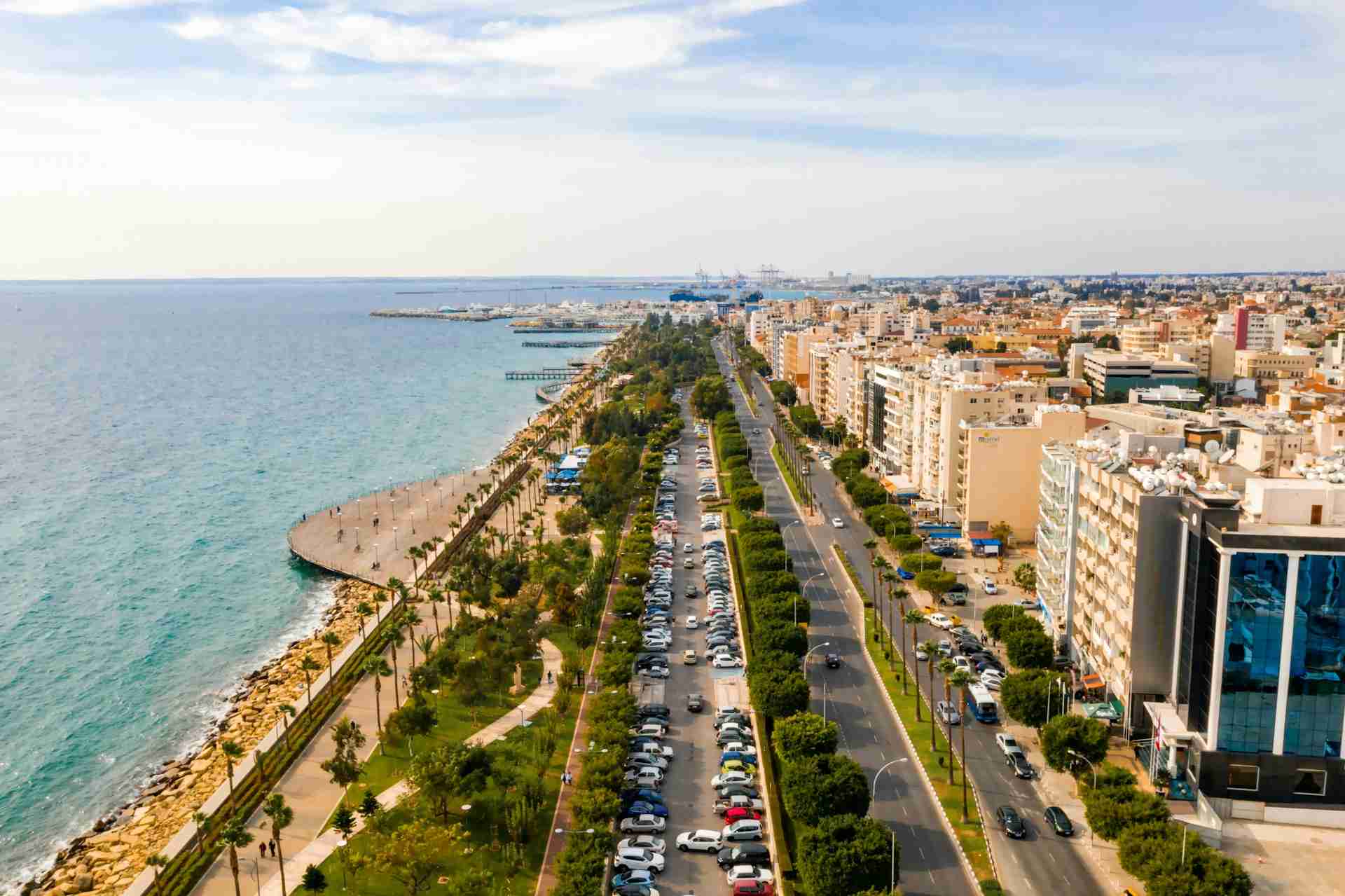
Александрия, вторият по големина град в Египет, има различна атмосфера от Кайро – по-спокойна крайбрежна, но когато става въпрос за шофиране, има много прилики. Трафикът в Александрия е натоварен, особено по известния крайбрежен път Корниш. Този дълъг булевард, който се простира покрай Средиземно море, е едновременно живописен и постоянно задръстен през деня. Планировката на града е линейна по протежение на брега, което означава, че голяма част от преминаващия трафик се насочва към няколко основни пътища.
What’s Driving in Alexandria Like?
While Alexandria has a more relaxed coastal vibe, its traffic flow resembles Cairo in many ways. Drivers are bold, lanes are flexible, and honking is part of the rhythm of the road.
The city's layout runs parallel to the sea, and its famous Corniche Road—which hugs the Mediterranean—is scenic but almost always congested, especially during the day.
Tip: Expect traffic jams, especially near the Corniche and downtown during rush hours.
Driving Style in Alexandria
Drivers in Alexandria are just as aggressive as those in Cairo—sometimes more so due to narrower roads and fewer wide highways. Expect assertive lane changes, minimal gap courtesy, and plenty of honking.
What to watch for:
- Fewer functioning traffic lights
- Free-for-all intersections
- Hand gestures replacing turn signals
- Roundabouts (traffic circles) with no clear yielding rules
That said, some locals do exhibit a slightly more patient, Mediterranean demeanor when traffic isn’t heavy.
Unique Challenges of Driving in Alexandria
- Trams and Tight Streets:
Parts of Alexandria still have functioning tram lines. Trams are slow but take up full lanes, especially where tracks run in the road’s center. Be cautious—some drivers overtake them from the wrong side. - Colonial-era Streets:
In older neighborhoods like El Mansheya, streets are narrow, curved, and sometimes unmarked. Getting lost here is easy, so plan your route carefully. - Roundabouts:
Traffic circles on the Corniche are chaotic. While technically vehicles inside the circle have the right of way, many drivers enter aggressively. Always make eye contact and ease into gaps slowly.
Is Parking Difficult in Alexandria?
Yes—though slightly less so than Cairo. In the afternoons, curbside spaces along the Corniche fill up quickly. Inland side streets may offer better chances, but keep an eye out for “no parking” signs or restricted zones.
You’ll also find informal parking attendants who expect a small tip to help guide or watch your car. These are commonly accepted and often helpful.
Tip: Visiting the Bibliotheca Alexandrina? Use the adjacent paid parking lot—safe, close, and stress-free.
What’s the Weather Like for Driving?
Unlike Cairo’s dry heat, Alexandria experiences rain during winter (November to February). The city’s drainage systems are limited, which means:
- Roads can flood during downpours
- Streets become slippery
- Visibility may drop near the Corniche due to sea spray or wave splash
Drive slowly during storms and avoid flooded roads when possible. Always use low beams and keep windows closed near the sea.
Leaving Alexandria by Car
Planning to drive out of the city? Here are your main routes:
- Desert Road to Cairo: Modern, smooth, and the fastest option
- Agricultural Road: Scenic but slower, passing through towns and villages
Expect police checkpoints at city limits. Officers may ask where you're headed—just answer truthfully (e.g., “Cairo” or “Marsa Matrouh”) and you’ll likely be waved through.
On rare occasions, tourists are escorted for a short stretch for added safety. This is more a courtesy than a necessity.
Магистрали и шофиране на дълги разстояния в Египет
След като избягате от градския трафик, шофирането по египетските магистрали всъщност може да бъде приятно. Пейзажът може да бъде зашеметяващ – от зелената делта на Нил до обширните пустинни пространства. Ето какво трябва да знаете за междуградското шофиране:
What Are Egypt’s Main Highway Routes?
Most inter-city highways are paved and well-maintained. Below are some of the key routes tourists use:
- Пустинен път Кайро–Александрия: Висококачествена магистрала с 6 ленти, свързваща столицата и Александрия. Частично е платена и има услуги (бензиностанции, места за почивка) на определени интервали. Трафикът е умерен; натоварен близо до градовете, лек в средата. Камери за скорост следят за спазването на ограничението от ~100 км/ч, но много автомобили се движат със 120 км/ч или повече – внимавайте с по-бързите превозни средства, които изпреварват.
- Път Кайро–Суец: Води на изток към Суец/Исмаилия и Синай. Добър път, но внимавайте за камионите, пътуващи към пристанището.
- Път Кайро-Хургада: Дълго пустинно шосе към Червено море. Живописни планински и пустинни гледки, но е отдалечено – уверете се, че колата ви е в добро състояние и имате вода. Има участъци без мобилен сигнал. Избягвайте шофиране през нощта тук поради гореспоменатия проблем с неосветените превозни средства.
- Пустинни пътища в Горен Египет: Например, от Кайро до Луксор през маршрута през Западната пустиня – пътищата са асфалтирани, но ще пътувате дълги разстояния без населени места. Безопасно е, но отново, планирайте спиранията за гориво. Понякога правителството изисква туристическите превозни средства да бъдат част от полицейски конвой в определени участъци на Горен Египет (особено в исторически план, когато сигурността е била проблем). Проверете местните съвети; напоследък това е по-малко изискване, отколкото беше преди, но ако властите ви посъветват да изчакате и да се присъедините към конвой, спазвайте указанията.
- "Земеделски" път в долината на Нил: По-старият маршрут по поречието на Нил през градове (като пътя от Кайро до Луксор през Бени Суеф, Миня и т.н.). Този път има повече местен трафик, бавни камиони и случайни легнали полицаи в селата. Културно е интересен, но бавен. Ако шофирате на дълги разстояния, много хора предпочитат по-новите паралелни магистрали.
Driving Habits to Watch For
Egypt’s highways are generally safe, but one major issue is speed disparity. You’ll see:
- Cars doing 140 km/h
- Trucks cruising at 60
- Even tuk-tuks or tractors appearing near town exits
Tip: Stay in the middle or right lane unless overtaking, and scan far ahead for hazards.
At night, be ready for:
- Headlight flashes (often a signal to overtake or warn of police ahead)
- Trucks driving with only parking lights to save battery
- Sudden appearances of animal carts or unlit vehicles
Fuel Stops and Facilities
Always top up your tank when you can—especially outside major towns. Most long highways have service stations, often operated by chains like Total or ExxonMobil.
Typical services include:
- Restrooms (carry tissue and hand sanitizer)
- Convenience stores
- Basic food like koshary, sandwiches, and grilled meats
Tolls and Police Checkpoints
Carry small bills (5s, 10s EGP) for tolls. At some checkpoints between provinces, police might stop you briefly. Usually saying “tourist, going to X” is enough; they may wave you through or quickly check your passport. They’re generally polite and may ask where you’re from out of curiosity. Just remember “salaam alaikum” (hello) and a smile go a long way.
Convoys and Special Permits
For 95% of intercity travel (Cairo, Alexandria, Luxor, Aswan, Hurghada), no special permits or escorts are needed.
However, in certain areas—like:
- The White Desert (Farafra)
- Interior Sinai routes
You may need to:
- Notify local authorities
- Join a tourist convoy
- Present a travel permit
Check ahead if your route goes off the standard path.
Environmental Hazards to Prepare For
- Sandstorms (Sinai and Western Desert):
Visibility can drop to near zero. Pull over, keep your headlights on, and wait it out. - Extreme Heat (Summer months):
Temperatures can exceed 40°C. Make sure your car’s cooling system works and bring:- Bottled water for yourself
- Extra water for the radiator
Като цяло, шофирането на дълги разстояния в Египет може да бъде доста удовлетворяващо. Много пътешественици си спомнят изгрева над планините на Синай или момента, когато Нил се появява пред погледа след часове в пустинята, като акценти от тяхното пътуване. Просто шофирайте внимателно и се наслаждавайте на пътуването толкова, колкото и на дестинацията.
Заключителни мисли: приемете приключението, останете в безопасност
Шофирането в Египет наистина е приключение. Това е смесица от градска навигация с високо ниво на адреналин и спокойно пътуване през пустинята. Като местен жител мога да потвърдя, че въпреки че пътищата ни могат да бъдат хаотични, има уникален чар в оживлението и суматохата. Бързо ще натрупате истории – може би за онзи път, когато случайно сте се озовали в сватбен конвой, надуващ клаксони в знак на празнуване, или когато дружелюбен полицай е спрял движението, за да ви помогне да направите обратен завой, или когато сте споделили крайпътен чай със селяни, след като сте попитали за посоката.
Quick Recap: What to Bring and Remember
To drive confidently and legally in Egypt, make sure you have:
- ✅ Your home country driver’s license
- ✅ An International Driving Permit (IDP)
- ✅ Your passport with visa
- ✅ Vehicle registration and proof of insurance
And remember:
- Drive on the right-hand side
- Respect speed limits and traffic laws
- Never drink and drive
- Buckle up—front and back seats
- Use a GPS and keep a power bank with you
- Avoid night driving in rural areas whenever possible
Even if rules aren’t always enforced for locals, you’re better off following them strictly as a guest. It’s safer, smoother, and avoids complications with police or rental companies.
Not Feeling Comfortable Driving?
It’s okay to change your plans. If Cairo traffic overwhelms you, switch gears—use public transport, hire a local driver, or take a ride-hailing app like Uber. Hiring a car with a driver is also a great option in Egypt and surprisingly affordable.
Many travelers find that a hybrid approach works best:
- 🚖 Use a driver or taxi for city trips
- 🚗 Drive yourself for scenic road trips or exploring rural regions
Stay Flexible and Embrace the Unexpected
Egypt will test your patience—but reward your curiosity.
- Leave a bit earlier than planned
- Expect traffic jams, detours, or creative maneuvers from other drivers
- Don’t let small frustrations ruin your experience
If things get hectic, remember the Egyptian way: “Ma’lesh” – Never mind. Take a breath and keep going.
You Did It
If you drive in Egypt—even once—you’ve earned serious bragging rights. And who knows? You may return home with a sharper sense of awareness, a few honking habits, and a story or two worth retelling.
Safe travels and happy driving! Or as we say here: بالسلامة سافر (safir besalama) – travel safely.
🚗 Трябва да шофирате в Египет днес? Вземете вашия международен шофьорски документ онлайн в Египет за минути! Валиден в над 150 държави. 8-минутно кандидатстване, денонощна поддръжка.

Вземете своя международен шофьорски превод за 8 минути