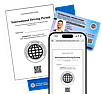

Необходими документи
Всичко, което ви трябва, вече е във вашия портфейл
- Валидна национална шофьорска книжка
- Снимка тип паспорт
- Валиден документ за самоличност, издаден от държавен орган
- Попълнено онлайн заявление



Вашата шофьорска книжка – незабавно преведена и валидна в над 189 държави. Пътувайте свободно до множество дестинации с едно разрешително – ползвайте го в неограничен брой страни през целия период на валидност.
Признат за 1 година тук. Вашият IDP остава валиден за целия си срок в над 189 други дестинации.
Международното шофьорско разрешително не е официално признато в тази държава.
Започнете вашата заявка
Отнема по-малко от 2 минути
Признат за 1 година тук. Вашият IDP остава валиден за целия си срок в над 189 други дестинации.
Международното шофьорско разрешително не е официално признато в тази държава. Моля, проверете местните правила за шофиране.
Ограничено покритие
Само дигитален | Валидност 1 година
$49
Препоръчително
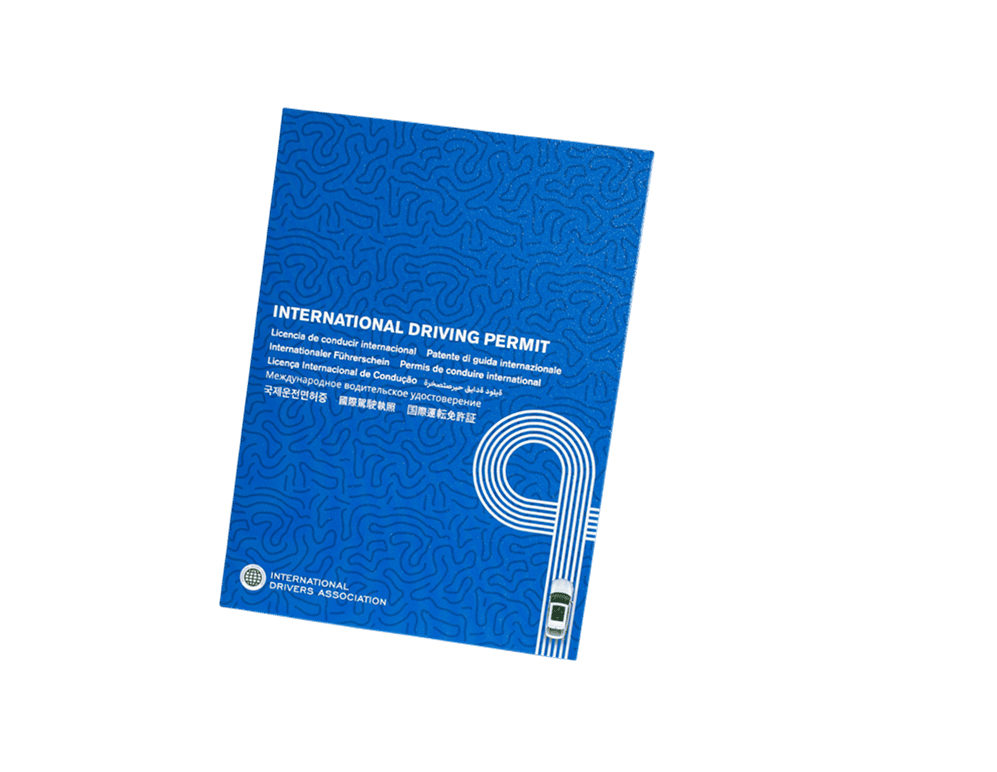
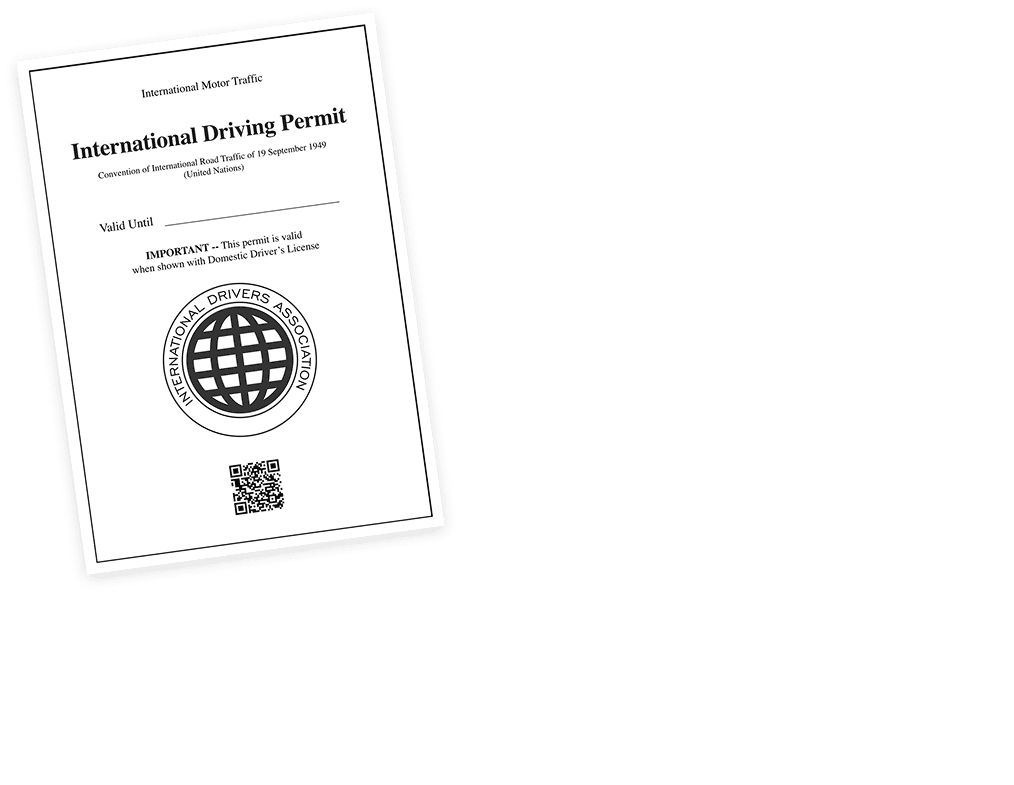
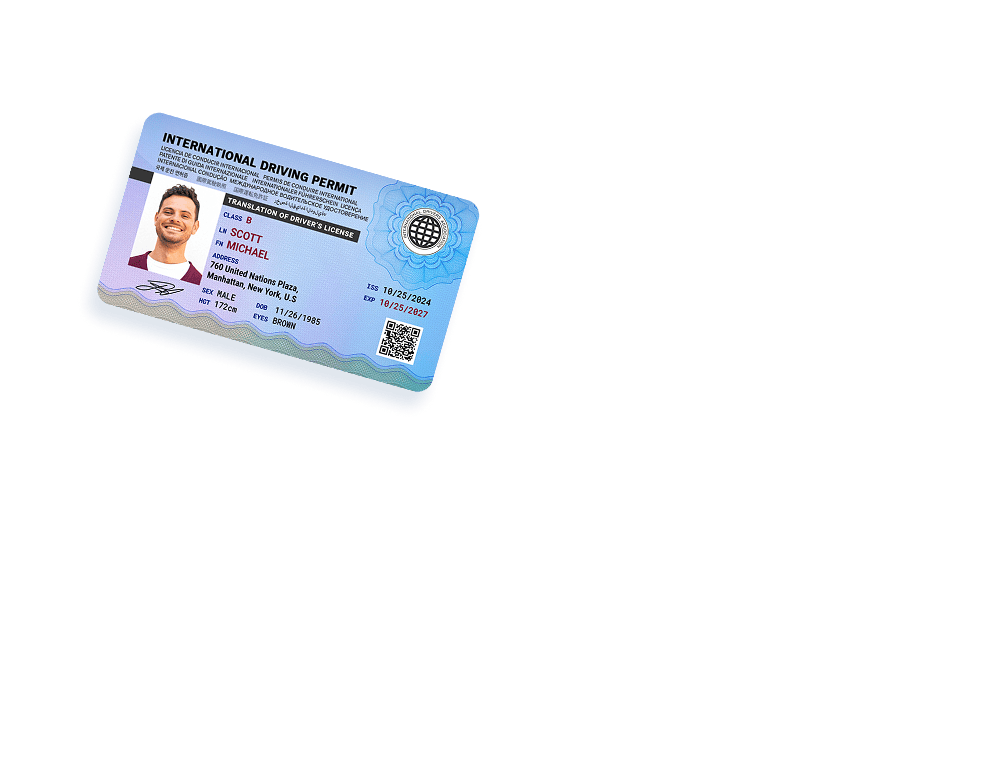
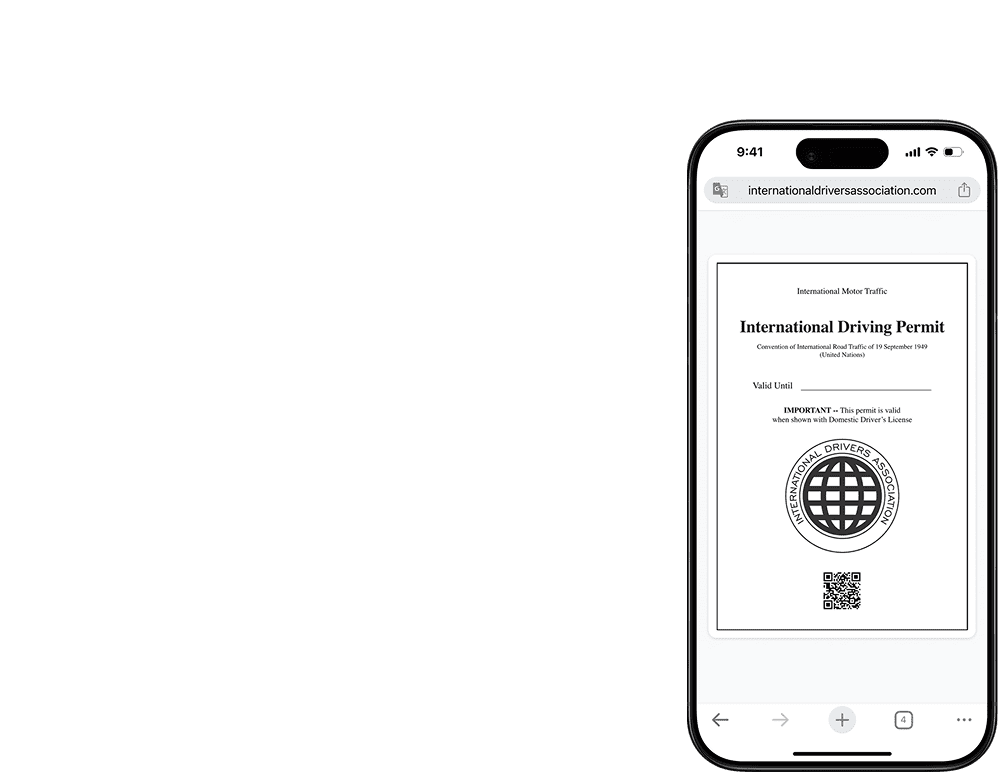
Глобално покритие
Печатен + дигитален | Валидност 3 години
$79
$149







Колумбия позволява на чужди граждани да шофират до една година от влизането им с признато Международно шофьорско разрешение заедно с валидната им местна книжка. Признаването на издаващия орган е важно тук — потвърдете, че вашият е приет, преди да шофирате.
| Тип шофьор | Изискване | Бележки |
|---|---|---|
| Турист / краткосрочен посетител | Изисква се в повечето случаи | Носете оригиналната книжка винаги |
| Шофьор на кола под наем | Обикновено се изисква | Проверете издаващия орган при вашата компания за коли под наем |
| Дългосрочен чуждестранен резидент | Прилагат се различни правила | След 1 година може да е необходим местен шофьорски книжка |
| Притежател на взаимно признат шофьорски книжка | Може да бъде освободен | Зависи от споразумението с държавата на произход |
Уверете се, че отговаряте на условията за допустимост и имате готови следните документи, преди да започнете.
Всичко, което ви трябва, вече е във вашия портфейл
Трябва да отговаряте на всички условия по-долу
The country of Colombia is one of South America's most diverse and scenic destinations. Colombia has it all, with everything from beaches to cliffs to swamps that border the Amazon River. Visitors planning their dream trip would want to travel outside the cities and see national parks, historical sights, and the nation's vibrant culture.
When in the grasp of guerrilla rebels, Caño Cristales was off-limits for decades, but is finally back in business and attracting more visitors than ever before. Most tourists come to this remote river canyon in the Orinoquía region to climb between its cascades and bathe in its natural swimming holes. While worth the trip in every season, between July and November, when algae bloom transforms the riverbed into a rainbow of colors, the canyon is especially prismatic.
If there's one guy lingering well beyond the recent history of Colombia, it's the billionaire cocaine trafficker Pablo Escobar. What few people know is that in Puerto Triunfo, approximately 110 miles east of Medellin, you will actually visit the luxurious estate constructed and owned by Escobar.
In the decade following Escobar's 1993 death, the vast estate, known as Hacienda Nápoles, fell into disrepair. However, in the mid-2000s, the local government gained ownership of the property and converted it into an ever-growing amusement park with an exotic blend of theme zones, restaurants, a water park, and a safari-style zoo.
Lovers of magic realism and the writings of Gabriel García Márquez will crash into the sleepy charms of Mompox. It appears extensively in the Nobel laureate's book, The General in His Labyrinth, in his most famous novel, One Hundred Years of Isolation, and is claimed to be the basis for the fictional town Macondo. If you want to rent a car to take a trip on your way to the location, make sure you have an International Driving Permit (IDP) that'll serve as your foreign license.
In the trade route between the Caribbean coast and the Andes, Mompox was once a successful cog, notable as the place where "El Libertador" Simón Bolívar recruited his army to win independence for neighboring Venezuela. Today, along the muddy shores of the Magdalena River, this colonial remnant is simply a city lost over time.
This eccentric Caribbean Island leaves a lot of perplexed first-time tourists. It's much closer to Nicaragua than Colombia, to begin with. Then there is the fact that its inhabitants speak Creole, not Spanish, nor English. Of course, when you sunbathe on the most beautiful beaches under the Colombian flag, none of it ever counts.
Many tourists will eventually begin their journey in Bogotá, the nation's largest city and beating heart. With some moaning of its gridlocked streets and dreary weather, and others falling head overhead for its rare mix of historic beauty and modern elegance, it is a city that often splits opinions. Anyway, this eight-million-dollar city continues to expand with people who give it ample time. Secure your International Driving Permit (IDP) first for an enjoyable road trip in the city.
Driving in Colombia is often considered relatively risky, and it's usually not recommended for foreigners due to the unique Colombia driving rules. If you plan to navigate these roads, bear in mind that Colombian drivers, especially in cities, can be unpredictable and sometimes aggressive.
Colombia driving rules are often overlooked, including yielding to cyclists, which contributes to the country's high incidence of traffic accidents. Navigating the country can be a challenge, particularly for those unfamiliar with the local driving culture and regulations.
This segment provides valuable guidance on understanding Colombia driving rules, using public transport, operating a vehicle, and hiring a car. It also outlines the specifications required for each. It's crucial to familiarize yourself with Colombia driving rules to ensure your safety and compliance while on the road.
The following speed limits apply in the country:
The following types of traffic signs are used in Colombia:
In Colombia, driving while drunk is considered a serious criminal offense, and if a motorist is found to be above the limit while driving, he or she may be taken to jail. Driving is also a criminal crime under the influence of drugs, and the punishments are the same as those for drunk driving.
This problem has long been a concern in Colombia and the source of many road collisions, but the government has recently implemented much tougher sanctions and reduced the number of alcohol-related deaths. The traffic police have the right to screen you for alcohol and narcotics intoxication. It is possible to administer a breath test. In small accidents, it is not unusual for drivers to share driver and liability particulars and then pass those over to their respective insurance providers.
The country of Colombia is one of South America's most diverse and scenic destinations. Colombia has it all, with everything from beaches to cliffs to swamps that border the Amazon River. Visitors planning their dream trip would want to travel outside the cities and see national parks, historical sights, and the nation's vibrant culture.
When in the grasp of guerrilla rebels, Caño Cristales was off-limits for decades, but is finally back in business and attracting more visitors than ever before. Most tourists come to this remote river canyon in the Orinoquía region to climb between its cascades and bathe in its natural swimming holes. While worth the trip in every season, between July and November, when algae bloom transforms the riverbed into a rainbow of colors, the canyon is especially prismatic.
If there's one guy lingering well beyond the recent history of Colombia, it's the billionaire cocaine trafficker Pablo Escobar. What few people know is that in Puerto Triunfo, approximately 110 miles east of Medellin, you will actually visit the luxurious estate constructed and owned by Escobar.
In the decade following Escobar's 1993 death, the vast estate, known as Hacienda Nápoles, fell into disrepair. However, in the mid-2000s, the local government gained ownership of the property and converted it into an ever-growing amusement park with an exotic blend of theme zones, restaurants, a water park, and a safari-style zoo.
Lovers of magic realism and the writings of Gabriel García Márquez will crash into the sleepy charms of Mompox. It appears extensively in the Nobel laureate's book, The General in His Labyrinth, in his most famous novel, One Hundred Years of Isolation, and is claimed to be the basis for the fictional town Macondo. If you want to rent a car to take a trip on your way to the location, make sure you have an International Driving Permit (IDP) that'll serve as your foreign license.
In the trade route between the Caribbean coast and the Andes, Mompox was once a successful cog, notable as the place where "El Libertador" Simón Bolívar recruited his army to win independence for neighboring Venezuela. Today, along the muddy shores of the Magdalena River, this colonial remnant is simply a city lost over time.
This eccentric Caribbean Island leaves a lot of perplexed first-time tourists. It's much closer to Nicaragua than Colombia, to begin with. Then there is the fact that its inhabitants speak Creole, not Spanish, nor English. Of course, when you sunbathe on the most beautiful beaches under the Colombian flag, none of it ever counts.
Many tourists will eventually begin their journey in Bogotá, the nation's largest city and beating heart. With some moaning of its gridlocked streets and dreary weather, and others falling head overhead for its rare mix of historic beauty and modern elegance, it is a city that often splits opinions. Anyway, this eight-million-dollar city continues to expand with people who give it ample time. Secure your International Driving Permit (IDP) first for an enjoyable road trip in the city.
Driving in Colombia is often considered relatively risky, and it's usually not recommended for foreigners due to the unique Colombia driving rules. If you plan to navigate these roads, bear in mind that Colombian drivers, especially in cities, can be unpredictable and sometimes aggressive.
Colombia driving rules are often overlooked, including yielding to cyclists, which contributes to the country's high incidence of traffic accidents. Navigating the country can be a challenge, particularly for those unfamiliar with the local driving culture and regulations.
This segment provides valuable guidance on understanding Colombia driving rules, using public transport, operating a vehicle, and hiring a car. It also outlines the specifications required for each. It's crucial to familiarize yourself with Colombia driving rules to ensure your safety and compliance while on the road.
The following speed limits apply in the country:
The following types of traffic signs are used in Colombia:
In Colombia, driving while drunk is considered a serious criminal offense, and if a motorist is found to be above the limit while driving, he or she may be taken to jail. Driving is also a criminal crime under the influence of drugs, and the punishments are the same as those for drunk driving.
This problem has long been a concern in Colombia and the source of many road collisions, but the government has recently implemented much tougher sanctions and reduced the number of alcohol-related deaths. The traffic police have the right to screen you for alcohol and narcotics intoxication. It is possible to administer a breath test. In small accidents, it is not unusual for drivers to share driver and liability particulars and then pass those over to their respective insurance providers.
Присъединете се към хиляди доволни пътуващи, които ни се доверяват за международните си шофьорски книжки
Пълно възстановяване, ако не бъде приет никъде, плюс неограничени безплатни замени.
Най-добра стойност
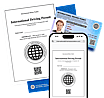
Максимално покритие – включва всичко необходимо за пътуване в чужбина

Мигновено спокойствие – готов за изтегляне до минути
Намерете отговори на често срещани въпроси и получете нужната ви информация бързо и лесно.
If you have a valid driver’s license from your home country, you can drive in Colombia as a tourist for up to 90 days. However, an International Driving Permit (IDP) is highly recommended, especially if your license is not in Spanish, as it serves as an official translation and helps prevent any issues with local authorities and car rental agencies.
You can easily apply for an International Driving Permit (IDP) for Colombia online through the International Drivers Association. The process is quick—fill out an application, upload a copy of your valid driver’s license and a passport-sized photo, and receive your digital International Driving Permit (IDP) within minutes. A printed version can also be shipped worldwide.
Yes, you can drive in Colombia with a valid U.S. driver’s license for up to 90 days as a tourist. However, it is highly recommended to carry an International Driving Permit (IDP), especially if your license is not in Spanish. An International Driving Permit (IDP) serves as an official translation of your license, making interactions with local authorities and car rental agencies smoother. If you plan to stay longer than 90 days, you may need to obtain a Colombian driver’s license. To ensure a hassle-free experience, you can apply for an International Driving Permit (IDP) through the International Drivers Association before your trip.
Yes, most car rental companies in Colombia require a valid national driver’s license, and some may ask for an International Driving Permit (IDP) if your license is not in Spanish. Having an International Driving Permit (IDP) ensures a smoother rental process and compliance with local driving regulations.
Indian nationals can drive in Colombia with a valid Indian driving license. However, to avoid issues with law enforcement, it's recommended that they get an international driving permit (IDP). Foreign licenses are valid for up to six months.
Driving in Colombia can be risky due to poor roads, aggressive driving, and high accident rates. To stay safe, avoid night driving, stay alert, and follow traffic laws.