

必要書類
お財布に入っているものだけで申請可能
- 有効な自国の運転免許証
- パスポートサイズの写真
- 有効な政府発行の身分証明書
- オンライン申請の完了



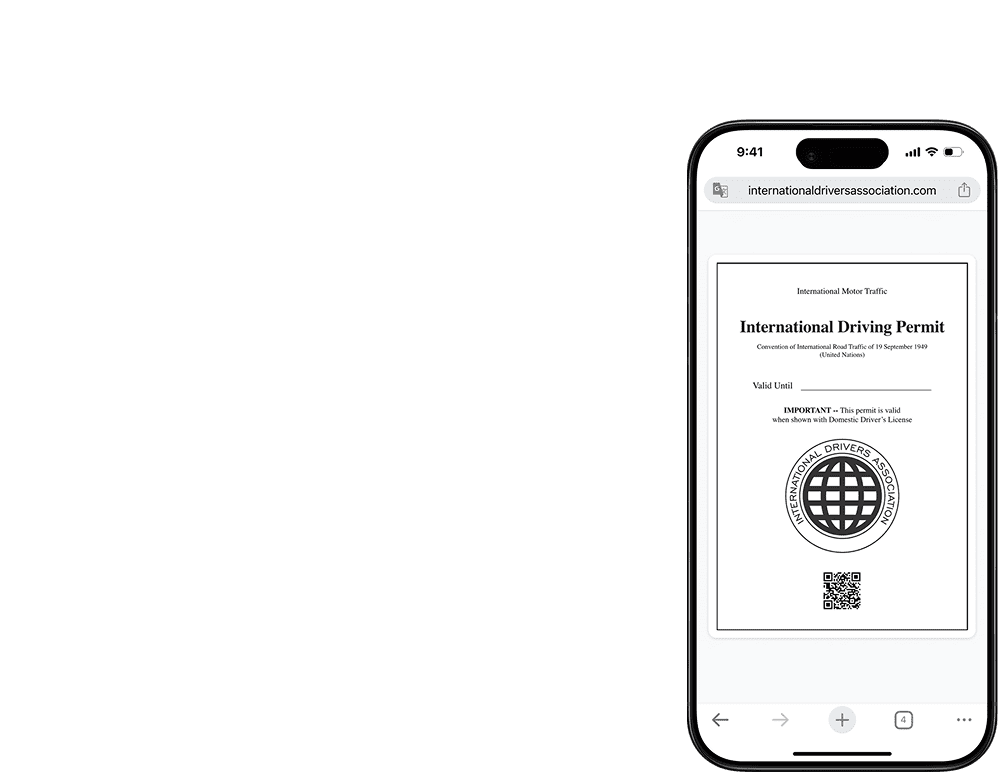
あなたの運転免許証を即時翻訳、189以上の国で有効。一つの許可証で複数の国へ自由に渡航—有効期間中は何カ国でも利用可能です。
この国では1年間有効です。IDP は他の189以上の目的地で全期間有効です。
この国では国際運転許可証は公式に認められていません。
申請を開始する
完了まで2分もかかりません
この国では1年間有効です。IDP は他の189以上の目的地で全期間有効です。
この国では国際運転許可証は公式に認められていません。現地の運転規則をご確認ください。
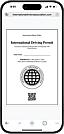
限定対応
デジタル版のみ | 有効期間1年
$49
推奨
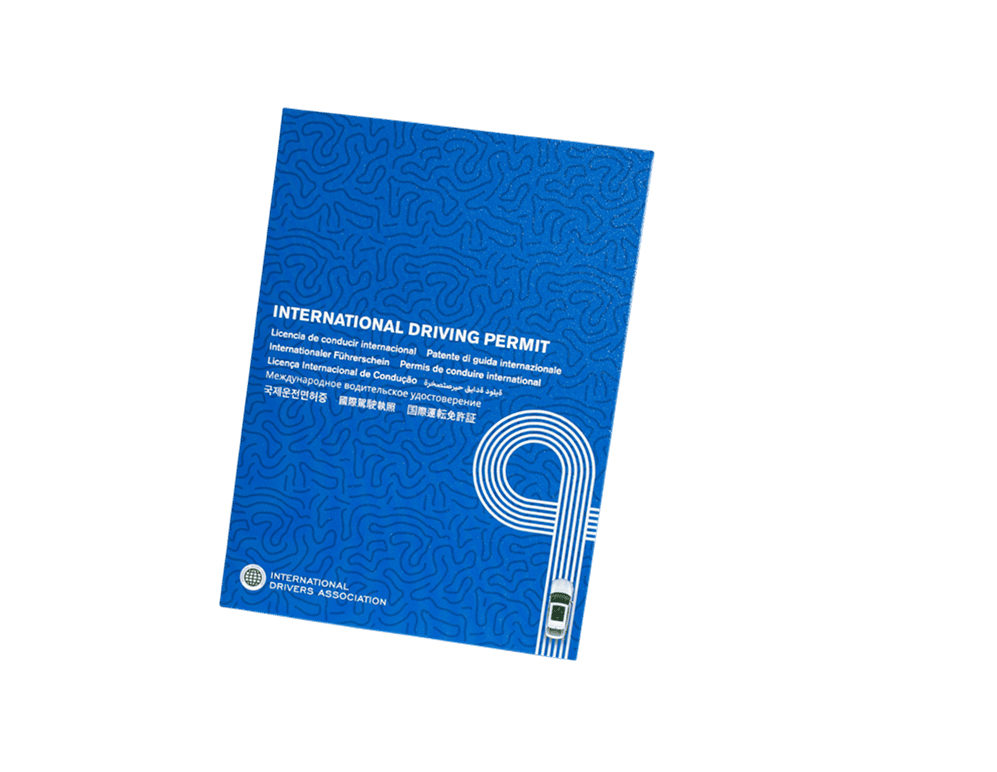
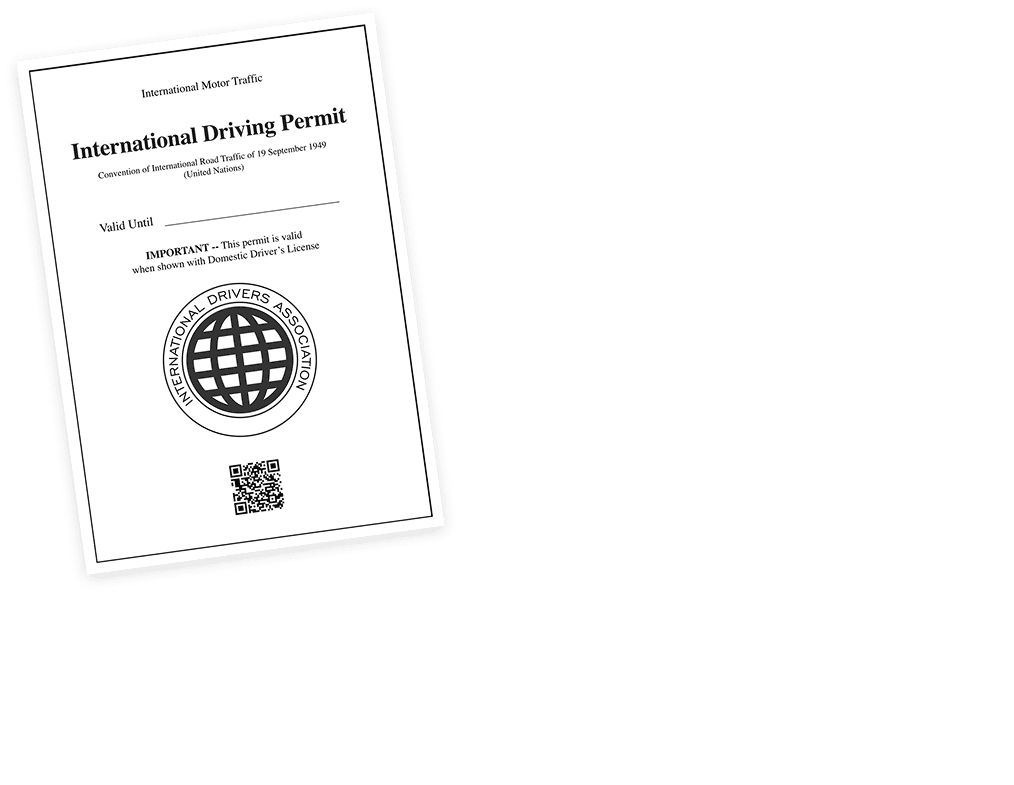
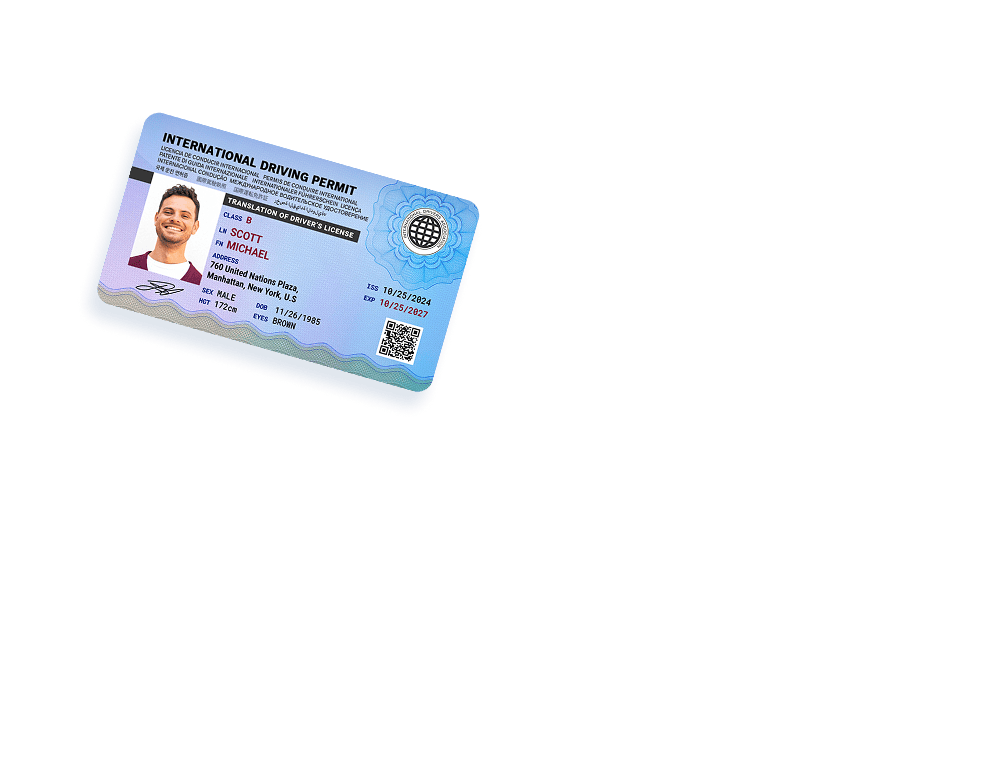
世界対応
印刷版 + デジタル版 | 有効期間3年
$79
$149







中央アフリカ共和国では、外国籍の方が入国から最長1年間、認可された国際運転許可証を有効な自国の運転免許証とともに携帯すれば運転が認められています。発行機関の認可状況が重要となるため、運転前にお持ちの許可証が受理されるかご確認ください。
| 運転者の種類 | 必要条件 | 備考 |
|---|---|---|
| 観光客・短期滞在者 | ほとんどの場合必要 | 元の免許証を常に携帯してください |
| レンタカー利用者 | 一般的に必要 | レンタカー会社に発行機関の確認を |
| 長期外国人居住者 | 異なる規則が適用されます | 1年後には現地の免許証が必要になる場合があります |
| 相互承認免許証保持者 | 免除される場合があります | 母国との協定によります |
申請を開始する前に、適格要件を満たしていることを確認し、以下の書類をご用意ください。
お財布に入っているものだけで申請可能
以下のすべての条件を満たす必要があります
Every country’s driving licence can be considered valid to drive vehicles in any of the foreign countries, if only you have an International Driver’s Permit (IDP) accompanying it. An International Driving Permit (IDP) which is also known as an international driving license worldwide, is an essential item to use when you’re renting a motor vehicle from local car rental companies. It’s because your International Driving Permit (IDP) translates the entire information that is written in your valid driver’s license for local authorities on the road traffic in rural and urban areas, and local car hire companies to understand.
Our International Driving Permit (IDP) does not only take you on a road trip to the Central African Republic, but it also allows you to use to drive in 165+ countries worldwide. As per the United Nations’ Vienna Convention on Road Traffic, you don’t need to apply for a driver’s license for Central Africa if you’re driving in the country for less than three months.
You can use our International Driving Permit (IDP) to drive there since it is highly recommended, including the following:
Obtaining your International Driving Permit (IDP) is fairly easy. You only need a copy of your valid driver’s license, credit card, and passport-size photo. Once you’ve prepared that, complete the application process and fill out all the required information as written on your driver’s license.
The Central African Republic is rich in natural minerals, wildlife, and culture, but in peace and tangible wealth, not so much. Cut all the troubles and continuous political rivalries out of the picture, and you will appreciate this nation more. Amidst all the chaos that is happening in the country, the Central African Republic’s amazing wilderness will entice you to visit and see its magical nature, and diverse fauna that can only be seen in the African continent.
The national park sits in CAR’s southwest region Bayanga near the Sangha River, a Congo major tributary. You should not miss exploring the country’s most popular nature park as Dzanga-Sangha shelters a large species of mammals that you can get up-close with. Wildlife creatures such as the famous western lowland gorilla, forest elephant, chimpanzee, the bongo, the giant forest hog, water buffalo, sitatungas, and the river hog freely roam around their habitat.
The cute town of Zinga is so small, measuring a length of only 1 kilometer and 300 meters in width. Although small, the traditional Congo wooden houses in this friendly town are so rare and beautiful, you wouldn’t want to miss a visit. However, you cannot drive to reach Zinga due to its location in the Ubangi River; the only ways you can reach the town is to take a from Banguivia motorboat or traditional canoe.
Sits in the northeastern region of CAR, Manovo-Gounda’s diverse flora and fauna made it to the list of UNESCO’s World Heritage Sites in 1988. The national park is divided naturally by the Bahr Anouk and Bahr Kameu in the north, which creates the park’s grassy floodplain. Its southern zone is the Chaine des Bongo plateau, while wooded and bushy savannas and occasional granite inselbergs are significant attractions in its central location.
Manovo-Gounda is one of the most important national reserves in the country as it houses and protects endangered species of mammals. Visit the park and watch the rare black rhinos, elephants, buffalos, red-fronted gazelles, cheetahs, and leopards wander the park. It’s always fun to see the wildlife in real life as you’ll learn more about their behaviors within their natural surroundings.
CAR’s capital city of Bangui was founded in 1889 as a French trading post. You can wander around the city and explore the PK-5 Market, where foreign and local traders meet. The Presidential Palace is also one of the major attractions, alongside the Notre-Dame of Bangui and The Big Mosque. Visiting Bangui gives you a full experience of the country’s city life, so don’t miss out on indulging in nightlife, made lively by CAR’s diverse music.
The Bamingui-Bangoran National Park is located in the northern region of the country and was established in 1993. It’s also categorized as a biosphere reserve and one of the most treasured national reserves in CAR as it shelters some of the most endangered species in Africa. Explore the park and watch the African wild dog, the African manatee, cheetah, and lion peacefully wander around their natural habitat. The park is also a sanctuary for rare frog species such as the Galam white-lipped frog, Mascarene ridged frog and the crowned bullfrog.
Visiting the Boganda National Museum gives you a peek into the Central African Republic’s history and culture. The museum exhibits various kitchen utensils, traditional musical instruments, weapons, ebony and ivory sculptures, and pieces of jewelry. Aside from appreciating the locals’ artistic side, you can also learn more about the culture of Pygmy people inside the museum.
African Parks, a nonprofit conservation organization, started protecting the nature reserve in 2014 with the CAR government’s help. Like other nature reserves in the country, the Chinko Nature Reserve is built to safeguard the area’s surviving wildlife. Explore the nature reserve and spot some rare species of wild dogs considered to be endangered in Africa.
If you want to see a structure as ancient as England’s Stonehenge, Bouar’s Tajunu has it for you. About 70 megalithic stones are situated here and are believed to be the marks for burial grounds in ancient times. The rocks are as old as 7440 BC, so it is almost as if you see ancient Africa when you visit the area.
The tribal town of Kembe boasts impressive waterfalls, which may not be popular among tourists, but will captivate your heart once you see them. While you're here, connect with the locals and have a taste of the simplicity of African life, with homes made out of mud bricks and thatched roofs.
The Central African Republic, despite having a lax approach to the enforcement of their traffic laws, still has a set of driving rules that must be adhered to. These Central African Republic driving rules are similar to those in neighboring countries and are generally easy to follow. However, the challenge lies in the lack of traffic signs, especially outside the major cities. As a tourist, it's crucial to respect the laws of the countries you visit, including the Central African Republic driving rules.
One of the primary Central African Republic driving rules for foreigners is the requirement to obtain an international driving permit. This rule is particularly important for those planning to drive in the Central African Republic. To understand more about the significance of adhering to the Central African Republic driving rules, continue reading below.
Aside from the International Driver's Permit for the Central African Republic, guidelines for driving must be followed to get around the country safely. The traffic laws in CAR include the seatbelt law required for the drivers and all passengers in a moving vehicle. Practicing this safety measure saves not only your life but of your fellow drivers as well. If you fail, you could face a penalty for neglecting seat belt laws, such as a fine or a meetup with a jail guard.
Drunk driving is quite common among local drivers in CAR, and sometimes, even some police officers at checkpoints appear drunk on duty. Despite this, limit your alcohol intake to 80 mg per 100 ml of blood, or don’t drink at all. One of the leading causes of fatal accidents on the road is a lack of awareness while driving drunk. At checkpoints, police officers will ask you to blow through a breathalyzer; if you’re found guilty of violating the traffic law, you can get penalized.
The Central African Republic is rich in natural minerals, wildlife, and culture, but in peace and tangible wealth, not so much. Cut all the troubles and continuous political rivalries out of the picture, and you will appreciate this nation more. Amidst all the chaos that is happening in the country, the Central African Republic’s amazing wilderness will entice you to visit and see its magical nature, and diverse fauna that can only be seen in the African continent.
The national park sits in CAR’s southwest region Bayanga near the Sangha River, a Congo major tributary. You should not miss exploring the country’s most popular nature park as Dzanga-Sangha shelters a large species of mammals that you can get up-close with. Wildlife creatures such as the famous western lowland gorilla, forest elephant, chimpanzee, the bongo, the giant forest hog, water buffalo, sitatungas, and the river hog freely roam around their habitat.
The cute town of Zinga is so small, measuring a length of only 1 kilometer and 300 meters in width. Although small, the traditional Congo wooden houses in this friendly town are so rare and beautiful, you wouldn’t want to miss a visit. However, you cannot drive to reach Zinga due to its location in the Ubangi River; the only ways you can reach the town is to take a from Banguivia motorboat or traditional canoe.
Sits in the northeastern region of CAR, Manovo-Gounda’s diverse flora and fauna made it to the list of UNESCO’s World Heritage Sites in 1988. The national park is divided naturally by the Bahr Anouk and Bahr Kameu in the north, which creates the park’s grassy floodplain. Its southern zone is the Chaine des Bongo plateau, while wooded and bushy savannas and occasional granite inselbergs are significant attractions in its central location.
Manovo-Gounda is one of the most important national reserves in the country as it houses and protects endangered species of mammals. Visit the park and watch the rare black rhinos, elephants, buffalos, red-fronted gazelles, cheetahs, and leopards wander the park. It’s always fun to see the wildlife in real life as you’ll learn more about their behaviors within their natural surroundings.
CAR’s capital city of Bangui was founded in 1889 as a French trading post. You can wander around the city and explore the PK-5 Market, where foreign and local traders meet. The Presidential Palace is also one of the major attractions, alongside the Notre-Dame of Bangui and The Big Mosque. Visiting Bangui gives you a full experience of the country’s city life, so don’t miss out on indulging in nightlife, made lively by CAR’s diverse music.
The Bamingui-Bangoran National Park is located in the northern region of the country and was established in 1993. It’s also categorized as a biosphere reserve and one of the most treasured national reserves in CAR as it shelters some of the most endangered species in Africa. Explore the park and watch the African wild dog, the African manatee, cheetah, and lion peacefully wander around their natural habitat. The park is also a sanctuary for rare frog species such as the Galam white-lipped frog, Mascarene ridged frog and the crowned bullfrog.
Visiting the Boganda National Museum gives you a peek into the Central African Republic’s history and culture. The museum exhibits various kitchen utensils, traditional musical instruments, weapons, ebony and ivory sculptures, and pieces of jewelry. Aside from appreciating the locals’ artistic side, you can also learn more about the culture of Pygmy people inside the museum.
African Parks, a nonprofit conservation organization, started protecting the nature reserve in 2014 with the CAR government’s help. Like other nature reserves in the country, the Chinko Nature Reserve is built to safeguard the area’s surviving wildlife. Explore the nature reserve and spot some rare species of wild dogs considered to be endangered in Africa.
If you want to see a structure as ancient as England’s Stonehenge, Bouar’s Tajunu has it for you. About 70 megalithic stones are situated here and are believed to be the marks for burial grounds in ancient times. The rocks are as old as 7440 BC, so it is almost as if you see ancient Africa when you visit the area.
The tribal town of Kembe boasts impressive waterfalls, which may not be popular among tourists, but will captivate your heart once you see them. While you're here, connect with the locals and have a taste of the simplicity of African life, with homes made out of mud bricks and thatched roofs.
The Central African Republic, despite having a lax approach to the enforcement of their traffic laws, still has a set of driving rules that must be adhered to. These Central African Republic driving rules are similar to those in neighboring countries and are generally easy to follow. However, the challenge lies in the lack of traffic signs, especially outside the major cities. As a tourist, it's crucial to respect the laws of the countries you visit, including the Central African Republic driving rules.
One of the primary Central African Republic driving rules for foreigners is the requirement to obtain an international driving permit. This rule is particularly important for those planning to drive in the Central African Republic. To understand more about the significance of adhering to the Central African Republic driving rules, continue reading below.
Aside from the International Driver's Permit for the Central African Republic, guidelines for driving must be followed to get around the country safely. The traffic laws in CAR include the seatbelt law required for the drivers and all passengers in a moving vehicle. Practicing this safety measure saves not only your life but of your fellow drivers as well. If you fail, you could face a penalty for neglecting seat belt laws, such as a fine or a meetup with a jail guard.
Drunk driving is quite common among local drivers in CAR, and sometimes, even some police officers at checkpoints appear drunk on duty. Despite this, limit your alcohol intake to 80 mg per 100 ml of blood, or don’t drink at all. One of the leading causes of fatal accidents on the road is a lack of awareness while driving drunk. At checkpoints, police officers will ask you to blow through a breathalyzer; if you’re found guilty of violating the traffic law, you can get penalized.
国際運転許可証で私たちを信頼する数千人の満足した旅行者の仲間入りをしましょう
どこでも受け入れられなかった場合は全額返金、さらに無制限で無料の再発行が可能です。
最もお得

海外で必要なあらゆるものを網羅した最大級のサポート

すぐ安心 ― 数分でダウンロード準備完了
よくあるご質問への回答をまとめました。必要な情報をすぐにご確認いただけます。