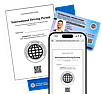

Необходими документи
Всичко, което ви трябва, вече е във вашия портфейл
- Валидна национална шофьорска книжка
- Снимка тип паспорт
- Валиден документ за самоличност, издаден от държавен орган
- Попълнено онлайн заявление



Вашата шофьорска книжка – незабавно преведена и валидна в над 189 държави. Пътувайте свободно до множество дестинации с едно разрешително – ползвайте го в неограничен брой страни през целия период на валидност.
Признат за 1 година тук. Вашият IDP остава валиден за целия си срок в над 189 други дестинации.
Международното шофьорско разрешително не е официално признато в тази държава.
Започнете вашата заявка
Отнема по-малко от 2 минути
Признат за 1 година тук. Вашият IDP остава валиден за целия си срок в над 189 други дестинации.
Международното шофьорско разрешително не е официално признато в тази държава. Моля, проверете местните правила за шофиране.
Ограничено покритие
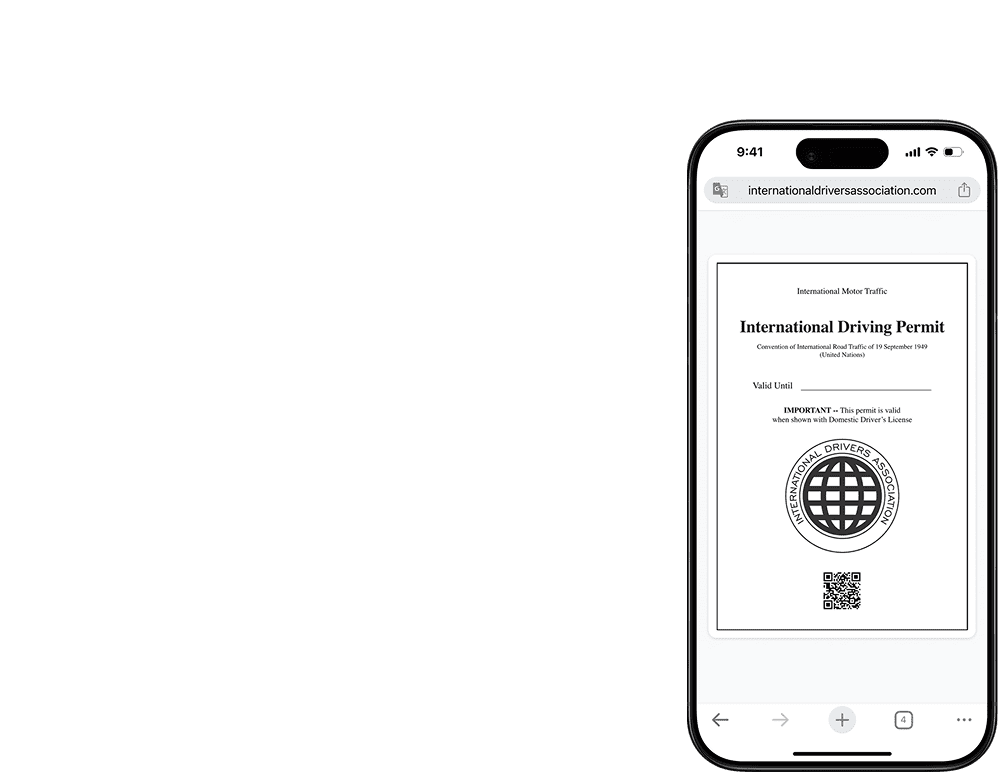
Само дигитален | Валидност 1 година
$49
Препоръчително
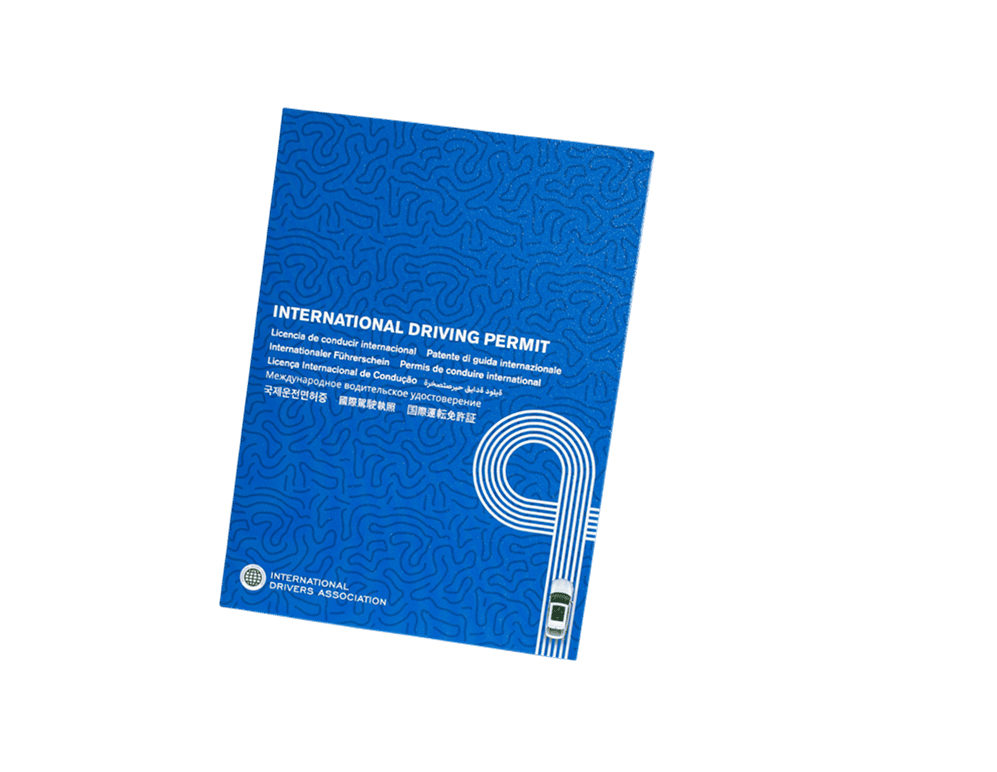
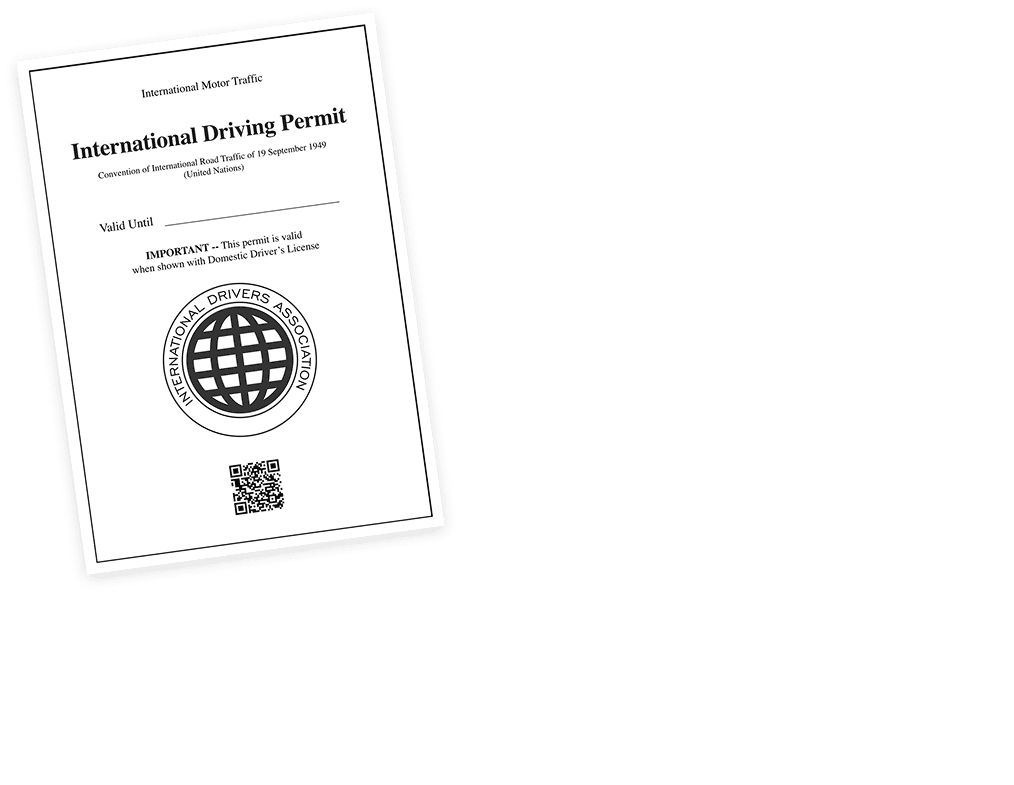
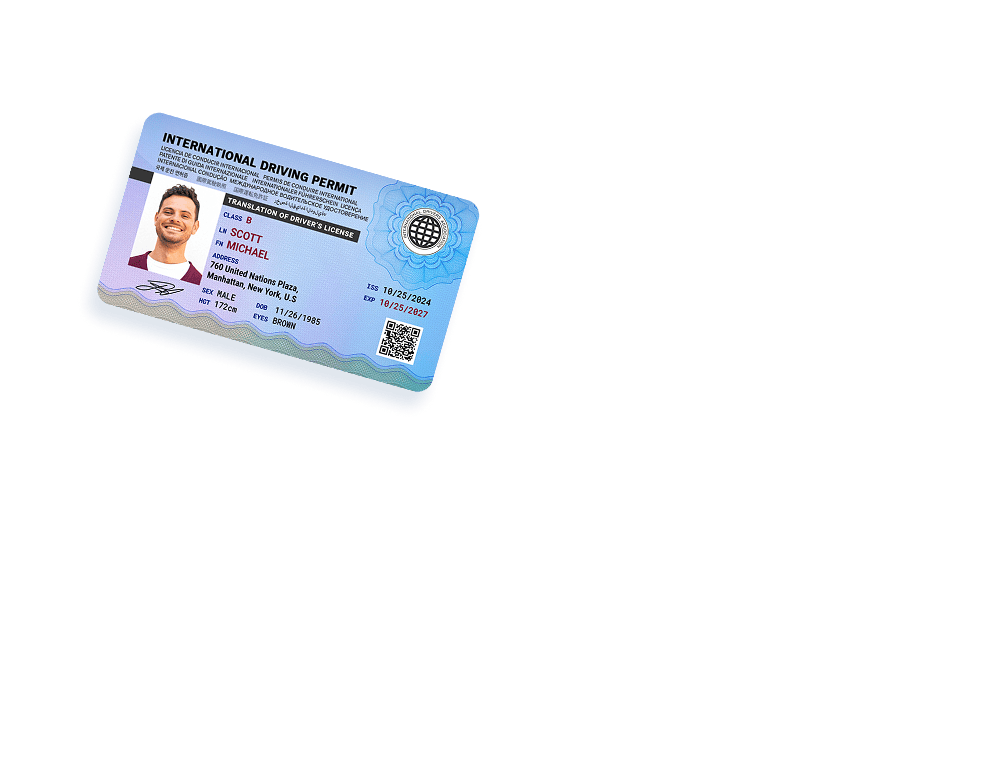
Глобално покритие
Печатен + дигитален | Валидност 3 години
$79
$149







Бутан позволява на чужди граждани да шофират до една година от влизането им с признато Международно шофьорско разрешение заедно с валидната им местна книжка. Признаването на издаващия орган е важно тук — потвърдете, че вашият е приет, преди да шофирате.
| Тип шофьор | Изискване | Бележки |
|---|---|---|
| Турист / краткосрочен посетител | Изисква се в повечето случаи | Носете оригиналната книжка винаги |
| Шофьор на кола под наем | Обикновено се изисква | Проверете издаващия орган при вашата компания за коли под наем |
| Дългосрочен чуждестранен резидент | Прилагат се различни правила | След 1 година може да е необходим местен шофьорски книжка |
| Притежател на взаимно признат шофьорски книжка | Може да бъде освободен | Зависи от споразумението с държавата на произход |
Уверете се, че отговаряте на условията за допустимост и имате готови следните документи, преди да започнете.
Всичко, което ви трябва, вече е във вашия портфейл
Трябва да отговаряте на всички условия по-долу
Yes, tourists from foreign countries can drive freely in Bhutan with international driving permit (IDP). The International Driving Permit (IDP) is a document recommended by the Vienna Convention on Road Traffic, which translates your Home Driver's license into 12 of the widely used languages worldwide. Countries such as Brazil, Qatar, Panama, Armenia, Angola, Bahrain, Ghana, Kenya, Malaysia, Senegal, Philippines, Pakistan, New Zealand, Lithuania, Kazakhstan, Latvia, Iceland, Greece , Germany, Italy, and many others recognize this license as well.
Before embarking on a journey to the various sites in Bhutan, it is crucial that you acquaint yourself with the most important Bhutan driving rules. You certainly wouldn't want to encounter an accident, especially given that built-up areas and emergency response services can be quite remote. However, if you already hold a driving license, getting to grips with the Bhutan driving rules shouldn't pose much of a challenge.
Like Australia, India, Indonesia, South Africa, and some former United Kingdom colonies, Bhutanese drive on the left side of the road. A quick fact: Did you know that only 30% of the world’s countries drive on the left side of the road?
If you hail from a country that drives on the right side of the road like French or Canada, you may need to ease down a bit in driving long distances. The steep roads and sharp curves may pose a challenge and a risk especially when you are in a foreign country with a local driving licence.
Overspeeding is never a safe activity. If you’re caught driving beyond the speed limit you'll pay a fine of Nu 5,000. There's the risk of confiscation of your license, including your International Driving Permit. The speed limits in Bhutan are as follows:
Standard tourist entry permits only allow the holders to go around the districts of Thimphu and Paro. For you to visit other dzongkhags (districts), you’ll need to secure a Route Permit or Special Area Permit from the Immigration Office. You can apply for one together with your application for a standard tourist entry permit.
This shouldn’t be overlooked because immigration checkpoints are situated around the country. The good news is that your tour operator can help you apply for the Route Permit since you’ll have to present your itinerary also.
Drunk driving has been one of the major causes of road mortalities. A lot of these cases stem from drivers who come from evening parties. This is why the government has been pushing for the amendment of the RSTA Act of 1999. At present, the RSTA allowed blood alcohol concentration is 0.08 grams of alcohol per 100 ml of blood.
To learn more on what routes to take when visiting, check out the Driving Guide for Bhutan. You will also find more tips and tricks when traveling to Bhutan. There's information about travel protocols, driving etiquette, and renting a car. You'll also find three bonus destinations!
Bhutan is nestled within the southern slopes of the Himalayan Mountain Range like Nepal, India, and Pakistan and it has a border with Myanmar. The terrain is rugged, with wide, fertile valleys that support numerous thriving communities of humans, plants, and animal wildlife. They are very similar compared to India. If you’re planning on traveling there soon, here are some sites that you can check out and explore:
The Tiger’s Nest Monastery, locally known as Paro Taktsang, is one of the unique temples in Bhutan. Not only was it constructed in a cave opening, but it’s also perched on the edge of a very high, steep cliff. Visiting the monastery is both cultural and nature exploration. This is because apart from touring the inside of the monastery, you’ll have to hike up a good two and a half hours to reach the area.
Nevertheless, the stunning views up the monastery will make you forget about any possible physical exhaustion. Apart from the fact that the slope isn’t that difficult, except for the stairs right before reaching Paro Taktsang.
Suppose you want to experience and see the most traditional Bhutanese customs and way of life, head on over to the countryside. The Haa Valley is one of the popular areas for a more relaxed hike. Apart from hiking, you can also go biking. You can even camp out under the stars in designated open areas.
The challenge for drivers, especially first-timers, only is that the Bondey-Haa Highway has plenty of sharp curves. You’ll need to take utmost caution when driving on this highway. A bonus, though, is that you can stop over at the Chele La Pass lookout!
To see the Dagala Thousand Lakes you’ll need to go through a multi-day trek. At least six days, according to the Tourism of Council of Bhutan. The Dagala Thousand Lakes Trek is one of the greatest and most challenging treks in Bhutan. You can hike through the rich alpine forests of northern Bhutan. You can see breathtaking views of Mount Everest and other majestic mountains.
The lakes are also home to various species of trout, and you can go fishing on the lakes when you set up camp. The catch, however, the catch is that you’ll have to secure a license/permit to go fishing. Lastly, you’ll also come across native Bhutanese villages that herd mountain yaks. You can stop by to learn about the culture of highland communities during this trek.
Are you familiar with those specially-crafted papers that are usually used to wrap bouquets, gifts, and scrapbooks? These are called Deh-sho, and they are handmade to be written and/or printed on. Bhutan is among the very few countries that still use the traditional way of papermaking to produce paper commercially. You can try your hand in the process and maybe bring the resulting products in as souvenirs or gifts!
Chele La Pass is probably the most popular lookout on the northwestern side of the country. This is a road section located about 13,083 feet above sea level, and it provides you with the most stunning panoramic views of various Himalayan Peaks. Whether you visit the pass in the winter or in the summer, you’re sure to find beautiful sceneries. Don’t forget to wear layers during the winter as it becomes freezing in Chele La Pass.
Visit this historical monastery if you don't plan to hike or do any harder activity. Punakha Dzong is a popular site for coronation ceremonies and weddings. It is also the final resting place of Bhutan’s most prominent figures. You can take a rest at either of the three (3) courtyards. Also, you can spend a quiet moment with the gushing sounds of both the Pho Chhu and Mo Chhu Rivers.
The Jigme Dorji National Park is a hiker’s paradise. You can pick from various trails and see some of the country’s most significant wildlife. Including the Bengal tiger, the takin, the snow leopard, and many more! The Jigme Dorji National Park was the first that allowed Bengal tiger and snow leopard to cohabitate in high altitudes. It is also home to many flora species so you should expect to learn a lot if you visit.
It is also home to many native flora species, so you should expect to have a learning-filled trek should you wish to proceed. It can be a challenging trip but if you have experience in Nepal, you will do great here.
Before embarking on a journey to the various sites in Bhutan, it is crucial that you acquaint yourself with the most important Bhutan driving rules. You certainly wouldn't want to encounter an accident, especially given that built-up areas and emergency response services can be quite remote. However, if you already hold a driving license, getting to grips with the Bhutan driving rules shouldn't pose much of a challenge.
Like Australia, India, Indonesia, South Africa, and some former United Kingdom colonies, Bhutanese drive on the left side of the road. A quick fact: Did you know that only 30% of the world’s countries drive on the left side of the road?
If you hail from a country that drives on the right side of the road like French or Canada, you may need to ease down a bit in driving long distances. The steep roads and sharp curves may pose a challenge and a risk especially when you are in a foreign country with a local driving licence.
Overspeeding is never a safe activity. If you’re caught driving beyond the speed limit you'll pay a fine of Nu 5,000. There's the risk of confiscation of your license, including your International Driving Permit. The speed limits in Bhutan are as follows:
Standard tourist entry permits only allow the holders to go around the districts of Thimphu and Paro. For you to visit other dzongkhags (districts), you’ll need to secure a Route Permit or Special Area Permit from the Immigration Office. You can apply for one together with your application for a standard tourist entry permit.
This shouldn’t be overlooked because immigration checkpoints are situated around the country. The good news is that your tour operator can help you apply for the Route Permit since you’ll have to present your itinerary also.
Drunk driving has been one of the major causes of road mortalities. A lot of these cases stem from drivers who come from evening parties. This is why the government has been pushing for the amendment of the RSTA Act of 1999. At present, the RSTA allowed blood alcohol concentration is 0.08 grams of alcohol per 100 ml of blood.
To learn more on what routes to take when visiting, check out the Driving Guide for Bhutan. You will also find more tips and tricks when traveling to Bhutan. There's information about travel protocols, driving etiquette, and renting a car. You'll also find three bonus destinations!
Bhutan is nestled within the southern slopes of the Himalayan Mountain Range like Nepal, India, and Pakistan and it has a border with Myanmar. The terrain is rugged, with wide, fertile valleys that support numerous thriving communities of humans, plants, and animal wildlife. They are very similar compared to India. If you’re planning on traveling there soon, here are some sites that you can check out and explore:
The Tiger’s Nest Monastery, locally known as Paro Taktsang, is one of the unique temples in Bhutan. Not only was it constructed in a cave opening, but it’s also perched on the edge of a very high, steep cliff. Visiting the monastery is both cultural and nature exploration. This is because apart from touring the inside of the monastery, you’ll have to hike up a good two and a half hours to reach the area.
Nevertheless, the stunning views up the monastery will make you forget about any possible physical exhaustion. Apart from the fact that the slope isn’t that difficult, except for the stairs right before reaching Paro Taktsang.
Suppose you want to experience and see the most traditional Bhutanese customs and way of life, head on over to the countryside. The Haa Valley is one of the popular areas for a more relaxed hike. Apart from hiking, you can also go biking. You can even camp out under the stars in designated open areas.
The challenge for drivers, especially first-timers, only is that the Bondey-Haa Highway has plenty of sharp curves. You’ll need to take utmost caution when driving on this highway. A bonus, though, is that you can stop over at the Chele La Pass lookout!
To see the Dagala Thousand Lakes you’ll need to go through a multi-day trek. At least six days, according to the Tourism of Council of Bhutan. The Dagala Thousand Lakes Trek is one of the greatest and most challenging treks in Bhutan. You can hike through the rich alpine forests of northern Bhutan. You can see breathtaking views of Mount Everest and other majestic mountains.
The lakes are also home to various species of trout, and you can go fishing on the lakes when you set up camp. The catch, however, the catch is that you’ll have to secure a license/permit to go fishing. Lastly, you’ll also come across native Bhutanese villages that herd mountain yaks. You can stop by to learn about the culture of highland communities during this trek.
Are you familiar with those specially-crafted papers that are usually used to wrap bouquets, gifts, and scrapbooks? These are called Deh-sho, and they are handmade to be written and/or printed on. Bhutan is among the very few countries that still use the traditional way of papermaking to produce paper commercially. You can try your hand in the process and maybe bring the resulting products in as souvenirs or gifts!
Chele La Pass is probably the most popular lookout on the northwestern side of the country. This is a road section located about 13,083 feet above sea level, and it provides you with the most stunning panoramic views of various Himalayan Peaks. Whether you visit the pass in the winter or in the summer, you’re sure to find beautiful sceneries. Don’t forget to wear layers during the winter as it becomes freezing in Chele La Pass.
Visit this historical monastery if you don't plan to hike or do any harder activity. Punakha Dzong is a popular site for coronation ceremonies and weddings. It is also the final resting place of Bhutan’s most prominent figures. You can take a rest at either of the three (3) courtyards. Also, you can spend a quiet moment with the gushing sounds of both the Pho Chhu and Mo Chhu Rivers.
The Jigme Dorji National Park is a hiker’s paradise. You can pick from various trails and see some of the country’s most significant wildlife. Including the Bengal tiger, the takin, the snow leopard, and many more! The Jigme Dorji National Park was the first that allowed Bengal tiger and snow leopard to cohabitate in high altitudes. It is also home to many flora species so you should expect to learn a lot if you visit.
It is also home to many native flora species, so you should expect to have a learning-filled trek should you wish to proceed. It can be a challenging trip but if you have experience in Nepal, you will do great here.
Присъединете се към хиляди доволни пътуващи, които ни се доверяват за международните си шофьорски книжки
Пълно възстановяване, ако не бъде приет никъде, плюс неограничени безплатни замени.
Най-добра стойност
Максимално покритие – включва всичко необходимо за пътуване в чужбина

Мигновено спокойствие – готов за изтегляне до минути
Намерете отговори на често срещани въпроси и получете нужната ви информация бързо и лесно.
Международното шофьорско разрешение е изискване за шофиране или наемане на автомобил в повечето чужди държави.