Navigarea în lumea dinamică a închirierii de mașini poate fi iluminatoare, mai ales atunci când înțelegeți călătoria sa transformatoare.
The car rental industry, with roots tracing back to the early 1900s, has dramatically transformed the travel landscape, evolving from serving mainly business travelers to accommodating a diverse clientele today.
Advancements in technology and shifts in consumer behavior have expanded the industry's reach, now catering to leisure travelers, road enthusiasts, and those seeking temporary replacements for their vehicles.
Today's rental experience offers a plethora of vehicle choices, from compact cars to electric models, complemented by services like GPS, child safety features, and insurance options, all aimed at ensuring a seamless and tailored journey for every traveler.
Elementele de bază ale închirierii unei mașini

Închirierea unei mașini poate fi o soluție excelentă pentru diverse situații, fie că sunteți în vacanță, aveți nevoie de o mașină de înlocuire temporară sau pur și simplu doriți să explorați un oraș nou în propriul ritm. Pentru a vă ajuta să navigați în acest proces, iată elementele de bază ale închirierii unei mașini.
Choosing a Rental Company
Start by researching and comparing different rental companies in your area. Look for reputable companies that offer a wide selection of vehicles, competitive prices, and good customer reviews. Take note of their policies regarding additional drivers, mileage restrictions, and any extra fees.
Making a Reservation
Once you've selected a rental company, it's time to make a reservation. This can usually be done online or over the phone. Provide the necessary details, such as your desired pickup location, dates, and times.
Be sure to mention any specific vehicle preferences or additional services you may require, such as a child safety seat or GPS navigation.
Required Documents
When picking up your rental car, you'll need to present certain documents. Typically, a valid driver's license is required, and it's essential to ensure it's not expired.
Additionally, rental companies may ask for other identification, such as a passport or proof of address. If you're an international traveler, your driver's license from your home country may be sufficient, but it's always a good idea to check with the rental company beforehand.
Form of Payment
Rental companies usually require a form of payment at the time of pickup. Credit cards are generally preferred, as they provide added protection and are often mandatory for renting certain vehicle types, like luxury cars.
Some companies may also accept debit cards, but there may be additional requirements or pre-authorization hold amounts. Be sure to inquire about any specific payment policies before your reservation.
Rental Insurance Options
Rental insurance is an essential consideration when renting a car. While your personal auto insurance policy may provide some coverage, it's important to understand the extent of that coverage and whether it applies to rental vehicles.
The rental company will offer various insurance options, such as a collision damage waiver (CDW) or liability coverage, to protect you in case of accidents or damages. Carefully review the terms and costs of these options to determine if they're necessary for your rental.
Returning the Car
When returning the rental car, ensure that it's in the same condition as when you received it. Check for any damages and fill up the gas tank
to the required level specified in your rental agreement.
Remember to return any additional equipment, such as GPS devices or child safety seats. Plan ahead to allow for enough time to return the car before the designated drop-off time to avoid any additional charges.
Renting a car offers a convenient and flexible way to travel, providing the freedom to explore new places on your own terms.
By following these basic guidelines, you can ensure a smooth and enjoyable rental experience. Remember to read and understand the rental company's policies, take advantage of any available insurance options, and always drive safely and responsibly.
Understanding the Rental Agreement
Understanding the rental agreement is a crucial step when renting a car. It outlines the key terms and conditions that renters should be aware of to avoid any surprises or disputes. Here are some important points to consider:
- Rental Period: The agreement will specify the duration of the rental, including the pickup and drop-off dates and times. Be sure to adhere to these timelines to avoid additional charges.
- Mileage Restrictions: Some rental agreements have restrictions on the number of miles you can drive per day or for the entire rental period. Familiarize yourself with these limitations and check if there are any extra fees for exceeding them.
- Additional Charges: The agreement should detail any additional charges you may incur, such as late return fees, cleaning fees, or toll charges. Make sure you understand these charges to budget accordingly.
- Insurance Coverage: Check the agreement for information about the rental company's insurance policies. Understand the coverage provided and whether you need to purchase additional insurance for better protection.
- Fuel Policy: The rental agreement will outline the fuel policy, which may require you to return the car with a full tank of gas. Failure to do so could result in additional charges.
- Vehicle Condition: Take note of the car's condition at the time of pickup. Document any pre-existing damages to avoid being held responsible for them during the return.
- Cancellation Policy: Review the agreement for the rental company's cancellation policy. Understand any fees or penalties that may apply if you need to cancel or modify your reservation.
Reading and understanding the rental agreement thoroughly will help you make informed decisions, ensure a smooth rental experience, and avoid unnecessary costs.
Insurance and Protection Options
When renting a car, it's pivotal to be well-versed in available insurance options to safeguard both your well-being and finances. Here's a more detailed breakdown:
- Rental Car Insurance
- Personal Auto Insurance
- Credit Card Coverage
- Additional Coverage Options
In conclusion, while the myriad of insurance options can seem daunting, a thorough review of your existing policies, combined with a clear understanding of the rental company's offerings, will position you for a worry-free rental experience.
Choosing the Right Vehicle
When renting a car, it's important to consider various factors to ensure you select the right vehicle for your needs. Size is a crucial factor, as you'll want enough space to accommodate everyone and their luggage comfortably.
Consider the type of vehicle that suits your travel plans – a compact car for city driving, an SUV for more space and off-road adventures, or a luxury car for a special occasion. Another factor to consider is fuel efficiency, especially if you plan to embark on a long road trip.
Look for vehicles with good mileage per gallon to save on fuel costs. Lastly, think about the purpose of your rental. If you're traveling with children, you may need to rent a car with the option to accommodate a child safety seat.
Ultimately, choosing the right vehicle starts with understanding your needs and finding one that suits your preferences and the purpose of your trip.
{"cell": [], "data": [["Vehicle Type (Size)", "Road Type", "Number of Passengers (Estimated)", "Cost in USD"], ["Small", "City/Town", "2-4", "$245+"], ["Medium", "City/Town", "4-5", "$360+"], ["Large", "City/Town", "5-7", "$246+"], ["SUV", "Off-road/City", "5-7", "$277+"], ["Van", "City/Town", "7-12", "$596+"], ["Pickup Truck", "Off-road/City", "2-5", "$473+"], ["Luxury", "City/Town", "4-5", "$432+"], ["Convertible", "City/Town", "2-4", "$756+"]], "table_caption": "Car Rental Vehicle Type ", "first_col_is_header": false, "first_row_is_table_header": true}Închirierea unei mașini în străinătate: Ce trebuie să știți

Închirierea unei mașini într-o altă țară vă permite să explorați locuri cu propria viteză. Dacă vă gândiți să conduceți prin locuri frumoase, cum ar fi zona rurală franceză sau drumurile de coastă din Spania, a ști să închiriați o mașină vă va ajuta să evitați problemele. Să trecem prin ceea ce ar trebui să știi:
Picking a Rental Company
There are many car rental companies out there. To find a good one:
- Look at what other customers say about them.
- Check the types of cars they have.
- Compare their prices. For example, while Hertz might be popular in the U.S., Europcar might be a favorite in Europe.
- What Papers You Need
To rent a car in another country, you usually need:
- A driver's license from where you live.
- Sometimes, a special driving permit called an "international driving permit." For instance, Americans might need one in Japan.
- Some places have age rules. Younger drivers might have to pay more or get special insurance.
Paying and Insurance
Most companies want you to pay with a credit card. This card should be in the name of the person renting the car. They use it in case there are any problems such as vehicle repairs. Some places might accept a debit card but could block some money on it.
Insurance is super important. The rental company will offer insurance, but your credit card or your car insurance at home might already cover you. Always check what you already have before buying more.
Extra Costs and Things to Know
Sometimes there are extra costs that can go beyond the price range, like:
- Money for more than one driver.
- Limits on how far you can drive.
- Costs for gas, toll roads, or if the car gets damaged.
- If you have kids, ask about a child seat. Or, you can bring your own.
Help When You Need It
Good car rental companies will help you if you have questions or problems. If something goes wrong with the car, or if you're lost in a place like Italy's winding roads, it's good to know they're there to help.
Traveling to Europe: ETIAS for Americans
If you're an American planning to drive in Europe, there's something new you should know about. Starting from late 2022, Americans will need an ETIAS (European Travel Information and Authorization System) approval to visit many European countries. It's not a visa, but a travel authorization. Make sure you get this before your trip!
Renting a car in another country is a great way to see new places. Just make sure you pick a good company, have the right papers, understand the costs, and know who to call for help. Plan ahead, know the rules, and enjoy your adventure on the road!
International Driving Permits and Licenses
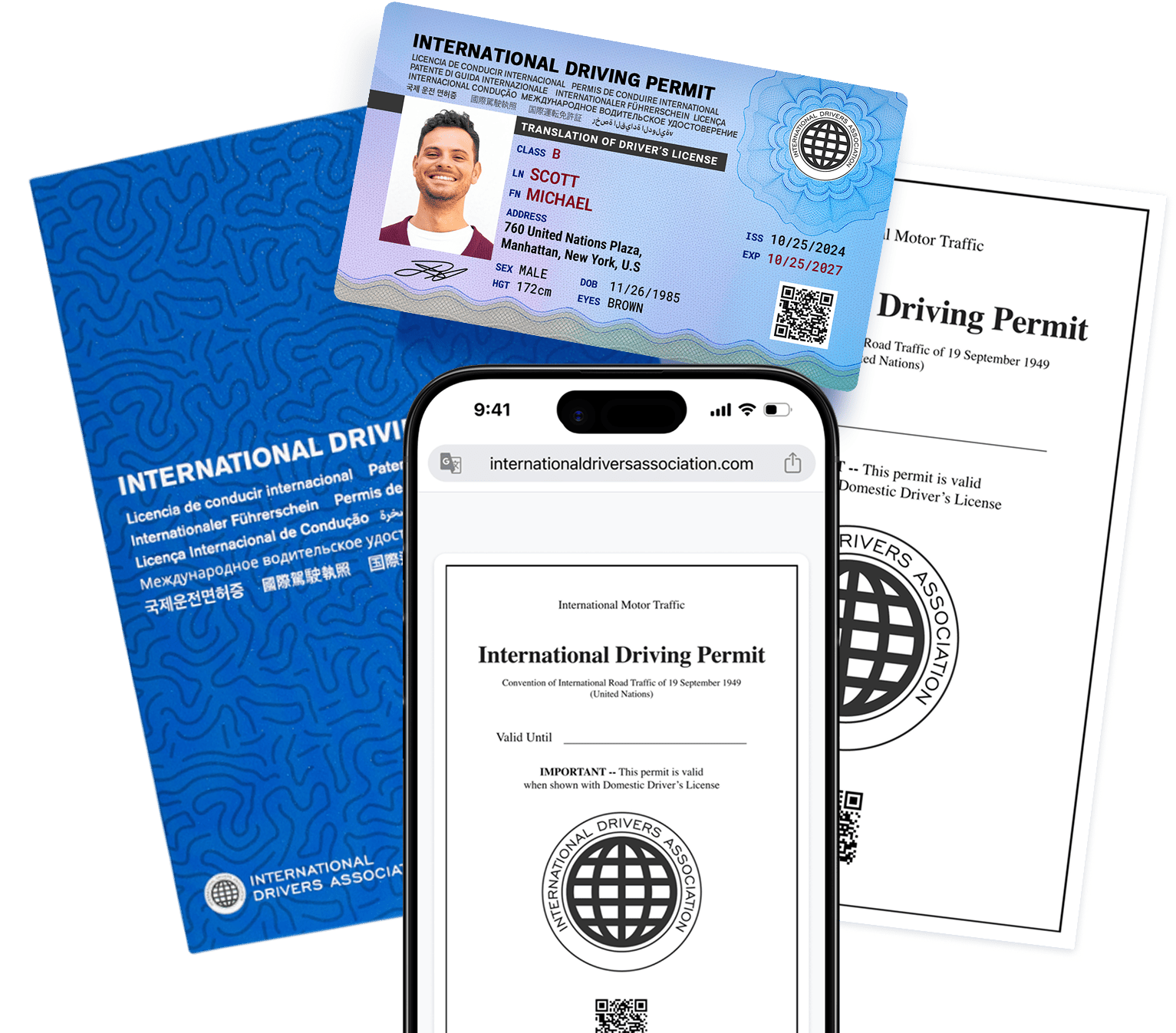
To rent a car abroad, one of the important requirements you may need is an International Driving Permit (IDP). An IDP is an official document that translates your valid driver's license into multiple languages, making it easier for authorities and rental car companies to understand and verify your driving credentials.
Obtaining an IDP is straightforward. You can apply for one through your local automobile association, motor vehicle department, or online through the International Drivers Association.
The process usually requires filling out an application, presenting valid identification, showing proof of your driver's license, and paying a small fee. The IDP is typically valid for one year.
Having an IDP offers several benefits when renting a car abroad. It acts as a universal identification for drivers and provides peace of mind, knowing that you have the necessary documentation to legally operate a vehicle in a foreign country. Additionally, some destinations require an IDP by law, making it a mandatory requirement to drive there.
While an IDP may not be required for all countries, it is highly recommended to obtain one before your trip. It is a small investment that can save you potential complications and ensure a smooth and hassle-free car rental experience in another country. Be sure to check the specific requirements of your destination and obtain an IDP if necessary.
Understanding Local Traffic Laws
Understanding local traffic laws is crucial when renting a car in a different country. Each destination has its own set of rules and regulations that may differ from what you are accustomed to.
For instance, while you might be used to driving on the right side of the road in the U.S., in countries like the UK, Australia, and India, they drive on the left. Familiarizing yourself with these laws will help ensure a safe and legal driving experience.
Before embarking on your trip, take the time to research the specific traffic laws of the country you will be visiting. In Germany, for example, the Autobahn has stretches with no specific speed limit, but in Norway, speed limits are generally lower and strictly enforced.
In Japan, you must come to a complete stop before proceeding at a stop sign, and in France, priority to the right is a common rule, meaning vehicles coming from the right have the right-of-way.
Parking regulations can also vary. In cities like Rome or Barcelona, finding parking can be challenging, and there are specific colored zones indicating where you can and cannot park. Understanding these rules will help you navigate the roads confidently and avoid any potential fines or accidents.
Local driving customs also play a significant role. For instance, in many Middle Eastern countries like Saudi Arabia, flashing your headlights means the driver intends to go forward, not yield. While in parts of Southeast Asia, a short honk is often a friendly way to signal one's presence, not an expression of frustration.
Language barriers can indeed pose challenges. If you're driving in Russia or Greece, the alphabets are different, making road signs a bit tricky. Carrying a translation guide or using a mobile translation app can be a lifesaver.
By educating yourself on the local traffic laws and customs of your destination, you can ensure a smooth and stress-free driving experience while renting a car abroad. Prior knowledge and familiarity will not only keep you safe but also prevent any legal issues that may arise from ignorance of the local traffic laws. Reading international driving guides can help you gain a deeper understanding on how each country works.
Currency and Payment Methods
When renting a car, it is important to understand how payments and deposits work. Most rental companies require a valid credit card as the primary form of payment. Debit cards are sometimes accepted, but they may have additional requirements and restrictions.
When using a credit card, be aware of potential foreign transaction fees if you are renting a car in a different country. Check with your credit card company beforehand to determine if any fees will apply and factor this into your rental budget.
As for deposits, rental companies typically place a hold on your credit card for a certain amount to cover any potential damages or additional charges. The hold is released when you return the car in the same condition as when you picked it up.
It is important to review your auto insurance policy before renting a car to understand what coverage you have. Rental companies often offer additional insurance coverage for an additional cost. Consider if this is necessary based on your personal insurance plan and trip requirements.
By understanding the currency and payment methods involved in renting a car, you can make informed decisions and ensure a smooth rental experience.
Începuturile umile: Închirieri de mașini în era pre-digitală
La începutul secolului al XX-lea, închirierile de mașini erau în primul rând mici afaceri locale în care persoanele fizice vizitau personal pentru a închiria dintr-o selecție limitată de vehicule.
The process was manual, involving paper forms like rental agreements, insurance waivers, and payment receipts, and required presenting personal identification and insurance proof.
This hands-on approach meant significant face-to-face interactions with agency staff to communicate preferences. As the industry grew, larger agencies emerged with more advanced reservation systems, but it was the digital age that revolutionized the process, introducing online platforms for easier and more convenient rentals.
Ascensiunea tehnologiei: semne timpurii ale schimbării
Apariția tehnologiei a adus schimbări semnificative în industria de închiriere de mașini, începând cu semnele timpurii care au sugerat transformarea care va urma. Una dintre schimbările cheie a fost utilizarea tot mai mare a rezervărilor online .
Rental companies recognized the convenience and accessibility offered by online platforms, allowing customers to reserve cars from the comfort of their own homes.
This shift eliminated the need for in-person reservations at rental agencies, streamlining the process for both customers and rental companies.
Another noteworthy change was the introduction of mobile apps. With the growing popularity of smartphones, rental companies began developing mobile applications that empowered customers to manage their rentals on the go.
These apps offered features like finding nearby rental locations, making reservations, and even unlocking cars without having to interact with a rental agency's staff.
The rise of technology in the car rental industry brought unmatched convenience and efficiency to the rental process.
Online bookings and mobile apps made it easier than ever for customers to compare prices, select the most suitable vehicle, and complete their reservation in just a few clicks.
It also gave rental companies the ability to better manage their fleet, track vehicle availability, and provide real-time updates to customers.
Boom-ul digital: rezervări online și aplicații mobile
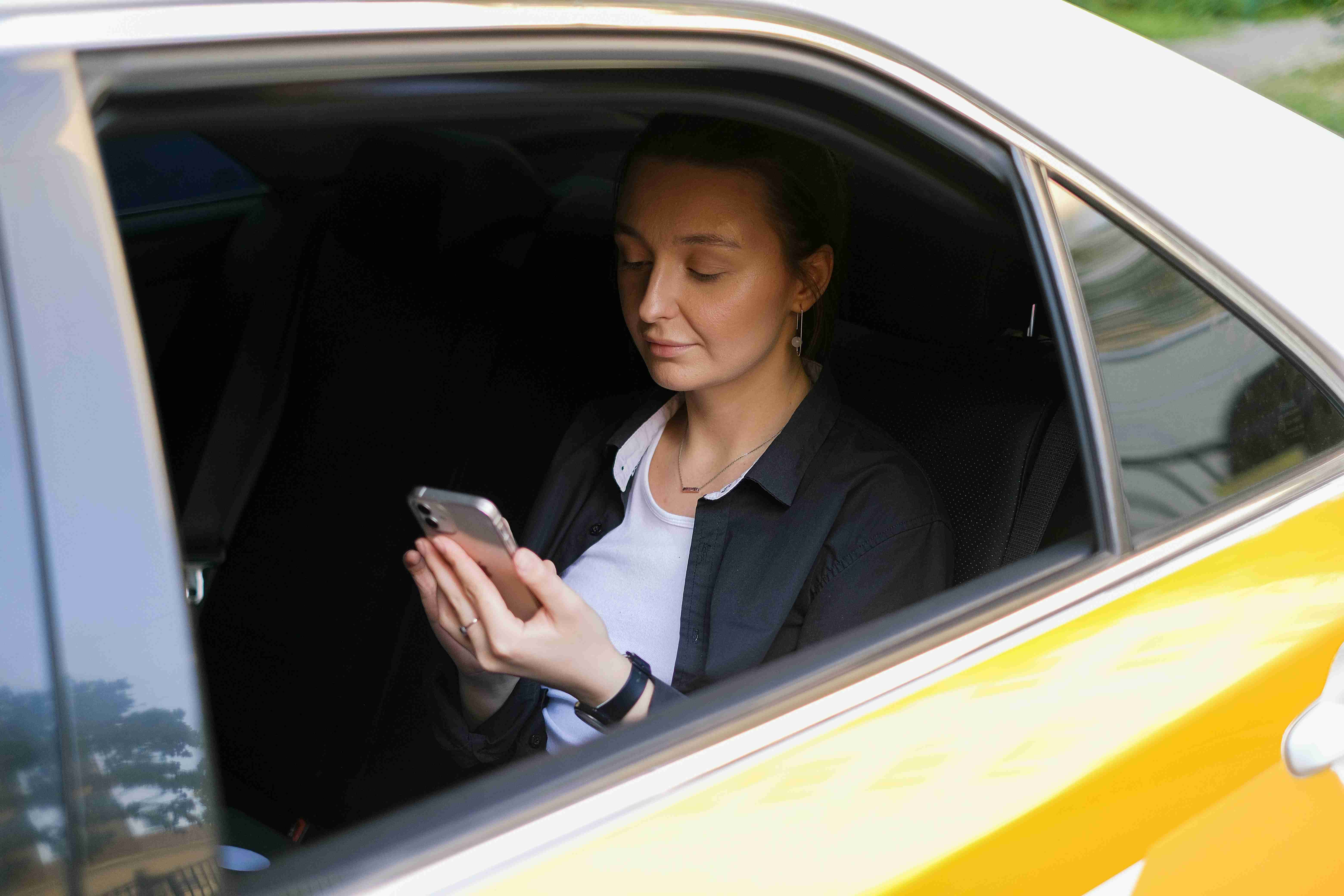
Industria închirieri auto a cunoscut un boom digital în ultimii ani, transformând modul în care clienții închiriază vehicule. Un progres semnificativ este tranziția la rezervările online și dezvoltarea de aplicații mobile, care au revoluționat procesul de închiriere.
Online bookings have made renting a car more convenient and efficient than ever before. Customers no longer need to visit physical rental locations or spend time on the phone making reservations.
With just a few clicks, they can browse a rental company's website, compare prices, and select the most suitable vehicle for their needs. This streamlined process saves time and allows customers to make reservations from the comfort of their own homes or while on the go.
Mobile apps have also played a crucial role in enhancing the renting experience. These apps offer a range of features and benefits, such as simplified reservations, real-time availability, and access to exclusive deals.
Customers can search for nearby rental locations, view vehicle options and availability, and even unlock cars without the need to interact with rental agency staff. This level of convenience and control makes renting a car quick and hassle-free.
Închirieri fără contact: un răspuns la nevoile moderne
Ca răspuns la nevoile moderne ale unei societăți în ritm rapid și condusă de digital, companiile de închiriere de mașini au îmbrățișat conceptul de închiriere fără contact. Odată cu creșterea rezervărilor online și a aplicațiilor mobile, întregul proces de închiriere a devenit mai eficient și mai convenabil.
Contactless rentals eliminate the need for in-person interactions and physical paperwork. Instead, customers can make all the necessary arrangements online, from choosing the vehicle to completing the payment process.
This not only saves time but also provides a safer and more hygienic rental experience, especially in times when contact with others needs to be minimized.
One of the key features of contactless rentals is the ability to make reservations online.
Customers can easily browse through the rental company's website or use their mobile app to check vehicle availability, compare prices, and even customize their rental experience by selecting specific add-ons like child safety seats or additional insurance coverage.
With just a few clicks, customers can secure their rental vehicle for the desired period of time, whether it's for a short trip or a longer road trip adventure.
Payment methods have also been modernized to accommodate contactless rentals. Rental car companies now accept various forms of payment, including credit cards and debit cards, making it even more convenient for customers.
By securely providing their payment information online, customers can complete the transaction without the need for face-to-face interaction. It's important to note that some rental companies may require a valid driver's license and a credit card for security purposes.
Another aspect of contactless rentals is the availability of online rental insurance options. Customers can easily add rental car insurance during the booking process, giving them peace of mind and protection against any unforeseen incidents.
It's essential to carefully review insurance options, including collision damage waivers and liability coverage, to ensure that you have the appropriate level of protection.
Additionally, contactless rentals allow customers to have additional drivers listed on the rental agreement. This feature is especially helpful for road trips or when sharing driving responsibilities.
However, it's essential to communicate with the rental company about any additional drivers to ensure that they meet the necessary requirements and are covered under the rental insurance policy.
When it comes to the actual pick-up and drop-off of the rental vehicle, contactless options are also available.
Many rental companies provide self-service kiosks or key lockboxes for customers to access their rental cars without the need for direct interaction with rental agency staff.
Some companies even offer remote unlocking of vehicles through their mobile apps, providing customers with a seamless and convenient experience.
To make the return process equally contactless, customers can simply leave the rental vehicle in designated parking spots and drop the keys in a secure drop box. The rental company will then inspect the vehicle and process the return accordingly, minimizing any unnecessary contact.
Contactless rentals have revolutionized the rental industry, providing customers with a convenient and safe way to access transportation.
Whether it's for a business trip, family vacation, or a spontaneous adventure, the ability to reserve and pick up a rental vehicle with minimal contact has become an invaluable service.
As technology continues to advance, we can expect even more innovations in the rental industry to meet the evolving needs of modern travelers
Mașini inteligente și tehnologie integrată
În ultimii ani, mașinile inteligente și tehnologia integrată au transformat industria auto și au revoluționat modul în care conducem.
With advancements in artificial intelligence, connectivity, and automation, smart cars are not only changing our driving experience but also making our roads safer and more efficient.
One of the most significant features of smart cars is their integration with advanced technology. From intuitive infotainment systems to connected mobile apps, these vehicles offer a wide range of features that enhance the driving experience.
With built-in GPS navigation systems, drivers can easily find their way to their destination without the need for an external device. Real-time traffic updates and alternative route suggestions help drivers navigate through congested areas and avoid delays.
Integrated technology also allows for seamless connectivity with our smartphones. Through Bluetooth or USB connections, drivers can make hands-free calls, stream music, and access their favorite apps directly from the car's dashboard. This not only adds convenience but also promotes safer driving by minimizing distractions.
Smart cars are also equipped with various sensors and cameras that enhance safety on the road. For example, forward collision warning systems use sensors to detect the distance between the car and obstacles ahead, alerting the driver of potential collisions and even applying emergency braking when necessary.
Lane departure warning systems keep the vehicle within its designated lane, providing gentle steering corrections or vibrations when the driver unintentionally drifts out of the lane.
Another remarkable feature of smart cars is their integration with autonomous driving technology.
While fully autonomous vehicles are not yet mainstream, many smart cars incorporate advanced driver-assistance systems (ADAS) that enable semi-autonomous driving. These systems can control acceleration, braking, and steering, especially in heavy traffic or on long highway drives, reducing driver fatigue and improving safety.
One of the key benefits of smart cars and integrated tech is their ability to gather and analyze data in real-time.
This data can be utilized to optimize vehicle performance, improve fuel efficiency, and provide valuable insights for automobile manufacturers. With this information, manufacturers can develop more efficient and sustainable vehicles, contributing to a greener environment.
As smart car technology continues to evolve, we can expect even more exciting features and innovations in the future. For instance, connected vehicles can communicate with each other and the surrounding infrastructure, enabling cooperative systems that enhance traffic flow, reduce congestion, and prevent accidents.
While smart cars and integrated technology have certainly revolutionized the way we drive, it's essential to emphasize the importance of responsible and safe driving practices. Regardless of the advanced features, drivers must remain attentive and in control of their vehicles at all times.
Provocări în transformarea digitală
Transformarea digitală a închirierii de mașini a adus provocări și schimbări semnificative în industrie. Progresele tehnologice au avut un impact profund asupra modului în care operează companiile de închiriere și au fost nevoite să se adapteze rapid pentru a rămâne competitive în era digitală.
Una dintre provocările acestei transformări digitale este adaptarea la noile tehnologii . Companiile de închiriere trebuie să investească și să implementeze noi sisteme, cum ar fi platforme de rezervare online și aplicații mobile, pentru a răspunde cerințelor în schimbare ale clienților. Această tranziție poate fi complexă și necesită o pregătire extinsă pentru angajați pentru a utiliza în mod eficient aceste noi tehnologii.
O altă provocare este asigurarea securității datelor . Companiile de închiriere colectează și stochează informații sensibile despre clienți, inclusiv date personale și financiare. Odată cu creșterea amenințărilor cibernetice, este esențial pentru companiile de închiriere să implementeze măsuri de securitate robuste pentru a proteja aceste date de accesul neautorizat sau de încălcări.
Îndeplinirea așteptărilor clienților este un alt obstacol în transformarea digitală. Clienții se așteaptă acum la experiențe de rezervare online fără probleme, procese rapide și ușoare de preluare și predare și prețuri transparente.
Companiile de închiriere trebuie să investească în interfețe ușor de utilizat, să își optimizeze site-urile web și aplicațiile pentru dispozitive mobile și să furnizeze actualizări în timp real despre starea rezervărilor pentru a satisface aceste așteptări.
Companiile tradiționale de închiriere abordează aceste provocări transformându-și operațiunile . Ei investesc în măsuri de securitate cibernetică pentru a proteja datele clienților și adoptă sisteme bazate pe cloud pentru gestionarea îmbunătățită a datelor.
De asemenea, folosesc inteligența artificială și analiza datelor mari pentru a îmbunătăți experiențele clienților și pentru a optimiza gestionarea flotei.
Tendințe globale vs. Specificații SUA
Pe măsură ce industria de închirieri auto continuă să evolueze, este esențial să recunoaștem tendințele globale care modelează modul în care operează companiile de închiriere la nivel mondial.
Cu toate acestea, este la fel de important să înțelegem nuanțele unice și specificul industriei de închiriere de mașini din Statele Unite. Să explorăm diferențele cheie dintre tendințele globale și specificul SUA în industria de închiriere de mașini.
O tendință globală semnificativă în industria de închiriere de mașini este adoptarea din ce în ce mai mare a platformelor de rezervare online și a aplicațiilor mobile. Această tendință este observată în toate țările, deoarece clienții preferă acum comoditatea de a-și rezerva vehiculele de închiriat online.
Cu toate acestea, în SUA, unde industria de închiriere de mașini este bine stabilită și competitivă, platformele de rezervare online au fost folosite de o perioadă semnificativă. Companiile de închiriere din SUA s-au adaptat deja la această tendință și au investit în interfețe ușor de utilizat, site-uri web optimizate și aplicații mobile pentru a oferi experiențe de rezervare online fără probleme.
O altă tendință globală care afectează industria de închiriere de mașini este accentul pus pe securitatea datelor. Odată cu creșterea amenințărilor cibernetice, companiile de închiriere din întreaga lume investesc în măsuri de securitate robuste pentru a proteja informațiile clienților.
În mod similar, în SUA, companiile de închiriere recunosc importanța protecției datelor clienților și au implementat protocoale de securitate stricte de mulți ani.
Diferența constă în amploarea și amploarea măsurilor de securitate datorită volumului mai mare de clienți și tranzacții pe piața de închiriere auto din SUA.
În timp ce tendințele globale oferă o perspectivă mai largă, este crucial să se ia în considerare aspectele specifice SUA ale industriei de închiriere de mașini. Un astfel de specific este cerințele de asigurare a mașinii de închiriere.
În SUA, companiile de închiriere oferă de obicei mai multe opțiuni pentru acoperirea asigurării, inclusiv scutiri de daune prin coliziune și acoperire suplimentară pentru răspundere și accidente personale.
Aceste opțiuni permit clienților să își adapteze planurile de asigurare în funcție de nevoile lor și de polițele de asigurare auto existente. Această specificitate în ofertele de asigurări nu este la fel de răspândită în toate țările, deoarece diferitele regiuni au reglementări și practici de asigurare diferite.
Un alt aspect specific SUA al industriei de închiriere de mașini este disponibilitatea opțiunilor de kilometraj nelimitat. În multe alte țări, companiile de închiriere impun restricții de kilometraj, solicitând clienților să plătească taxe suplimentare dacă depășesc o anumită limită zilnică sau totală de kilometri.
Cu toate acestea, în SUA, companiile de închiriere oferă adesea opțiuni de kilometraj nelimitat, făcându-l mai convenabil pentru călătorii care se îmbarcă în călătorii lungi sau care explorează distanțe mari.
În plus, disponibilitatea și varietatea selecției de vehicule diferă de la o țară la alta. În SUA, companiile de închiriere oferă o gamă largă de opțiuni de vehicule, inclusiv SUV-uri, mașini de lux și vehicule electrice.
Acesta este un răspuns la preferințele și cerințele de călătorie diverse dintr-o țară la fel de mare și variată precum Statele Unite. Cu toate acestea, în unele regiuni la nivel global, companiile de închiriere pot avea o selecție limitată de vehicule din cauza cererii pieței și a constrângerilor de infrastructură.
Înțelegerea atât a tendințelor globale, cât și a specificului SUA este crucială pentru companiile de închiriere să rămână competitive și să răspundă nevoilor în evoluție ale clienților.
Prin identificarea și abordarea acestor diferențe, companiile de închiriere de mașini pot crea strategii și tactici personalizate pentru a-și optimiza operațiunile și pentru a asigura satisfacția clienților atât pe piețele interne, cât și pe cele internaționale.
Viitorul închirierii de mașini: ce urmează?
Pe măsură ce tehnologia continuă să avanseze într-un ritm rapid, nu este surprinzător faptul că industria de închiriere de mașini trece și ea prin transformări semnificative. Viitorul închirierii de mașini deține posibilități interesante, de la modele noi de vehicule până la experiențe îmbunătățite ale clienților. Deci, la ce ne putem aștepta în următorii ani?
Una dintre evoluțiile cheie care modelează viitorul închirierii de mașini este creșterea vehiculelor electrice (EV). Pe măsură ce mai mulți oameni devin conștienți de mediu, cererea de vehicule electrice este de așteptat să crească vertiginos.
Companiile de închiriere de mașini încep deja să includă vehicule electrice în flotele lor, oferind clienților o opțiune de transport mai ecologică. Odată cu creșterea infrastructurii pentru stațiile de încărcare pentru vehicule electrice, confortul și accesibilitatea închirierii unui vehicul electric vor continua să se îmbunătățească.
De asemenea, odată cu apariția tehnologiei de conducere autonomă, vehiculele autonome urmează să revoluționeze industria închirieri auto.
Deși poate dura ceva timp pentru ca mașinile complet autonome să devină mainstream, companiile de închiriere experimentează deja cu funcții semi-autonome.
Imaginați-vă că puteți închiria o mașină care se conduce singură, făcându-vă experiența de călătorie mai confortabilă și permițându-vă să vă concentrați pe alte activități în timpul călătoriei.
Pe lângă vehiculele în sine, viitorul închirierii de mașini va fi puternic influențat de integrarea tehnologiei. Aplicațiile mobile și platformele online au făcut deja procesul de rezervare mai convenabil, dar urmează mult mai mult.
În viitorul apropiat, ne putem aștepta să vedem noi progrese în ceea ce privește recomandările personalizate, procesele de check-in fără probleme și urmărirea vehiculelor în timp real. Aceste tehnologii nu numai că vor spori eficiența închirierii unei mașini, dar vor îmbunătăți și satisfacția clienților.
O altă tendință la orizont este trecerea către o experiență de închiriere mai flexibilă și personalizată . Perioadele tradiționale de închiriere de mașini pot deveni un lucru din trecut, deoarece clienții caută o mai mare flexibilitate în planurile lor de călătorie.
Companiile de închiriere sunt probabil să ofere închirieri pe oră sau chiar minut cu minut, permițând clienților să închirieze un vehicul exact pe durata de care au nevoie. Această flexibilitate va răspunde nevoilor în evoluție ale călătorilor moderni, care apreciază confortul și adaptabilitatea.
Se așteaptă ca integrarea serviciilor de partajare a mașinilor și de închiriere de mașini să devină mai răspândită. Această convergență va oferi clienților o gamă mai largă de opțiuni, deoarece aceștia pot alege între vehicule tradiționale de închiriat sau mașini partajate dintr-o comunitate.
Această integrare perfectă va oferi clienților o mai mare comoditate și accesibilitate, maximizând totodată utilizarea flotelor companiilor de închiriere.
În cele din urmă, viitorul închirierii de mașini se va concentra în continuare pe durabilitate. Companiile de închiriere adoptă din ce în ce mai mult practici ecologice, de la utilizarea vehiculelor eficiente din punct de vedere al consumului de combustibil până la reducerea amprentei lor de carbon.
Implementarea inițiativelor ecologice, cum ar fi compensarea emisiilor de carbon și promovarea comportamentelor de conducere responsabile, va deveni mai comună în industria de închiriere.
Clienții vor avea ocazia să-și alinieze alegerile de închiriere cu valorile lor de mediu, contribuind la un viitor mai durabil.
Concluzie
Privind retrospectiv, industria de închiriere de mașini a evoluat remarcabil de la începuturile sale modeste, manuale, la confortul digital de astăzi. Pe măsură ce tehnologia continuă să avanseze, este interesant să ne imaginăm ce inovații mai urmează, asigurând experiențe și mai simplificate și mai ușor de utilizat pentru călătorii din întreaga lume.
întrebări frecvente
1. De ce am nevoie pentru a închiria o mașină?
Pentru a închiria o mașină, aveți nevoie de obicei de un permis de conducere valabil, de un card de credit sau de debit pe numele dvs. și, uneori, de o cerință de vârstă (de obicei 21 de ani sau mai mult). Este posibil să aveți nevoie și de dovada asigurării dacă refuzați acoperirea companiei de închiriere.
2. Există reduceri sau promoții disponibile?
Companiile de închiriere oferă adesea reduceri și promoții pentru a vă face experiența mai accesibilă. Verificați site-ul lor pentru ofertele curente sau luați în considerare înscrierea în programe de fidelitate pentru beneficii suplimentare.
3. Închiriile de mașini au restricții de kilometraj?
Cele mai multe închirieri de mașini au limite zilnice de kilometraj și taxează suplimentar dacă le depășești. Unele companii oferă opțiuni nelimitate de mile, în special pentru călătorii lungi. Confirmați întotdeauna politica de kilometraj cu compania de închiriere înainte de rezervare.
4. Pot conduce mașina închiriată oriunde?
De obicei, mașinile de închiriat au zone de conducere autorizate, iar călătoria în afara acestor zone poate necesita o permisiune specială sau poate suporta taxe suplimentare. Dacă intenționați să treceți granițele de stat sau internaționale, informați în prealabil compania de închiriere.
5. Ce opțiuni de vehicul sunt disponibile?
Companiile de închiriere oferă o varietate de vehicule pentru a se potrivi diferitelor nevoi, inclusiv mașini economice, SUV-uri, minivan și mașini de lux. Asigurați-vă că selectați dimensiunea și tipul potrivit de vehicul pentru călătoria dvs.