Beantragen

Holen Sie sich Ihren internationalen Führerschein für Costa Rica in 8 Minuten

Ihr Führerschein, sofort übersetzt und in über 150 Ländern anerkannt. Reisen Sie flexibel in mehrere Länder mit nur einer Genehmigung – unbegrenzt verwendbar während der Gültigkeitsdauer.

Empfohlen

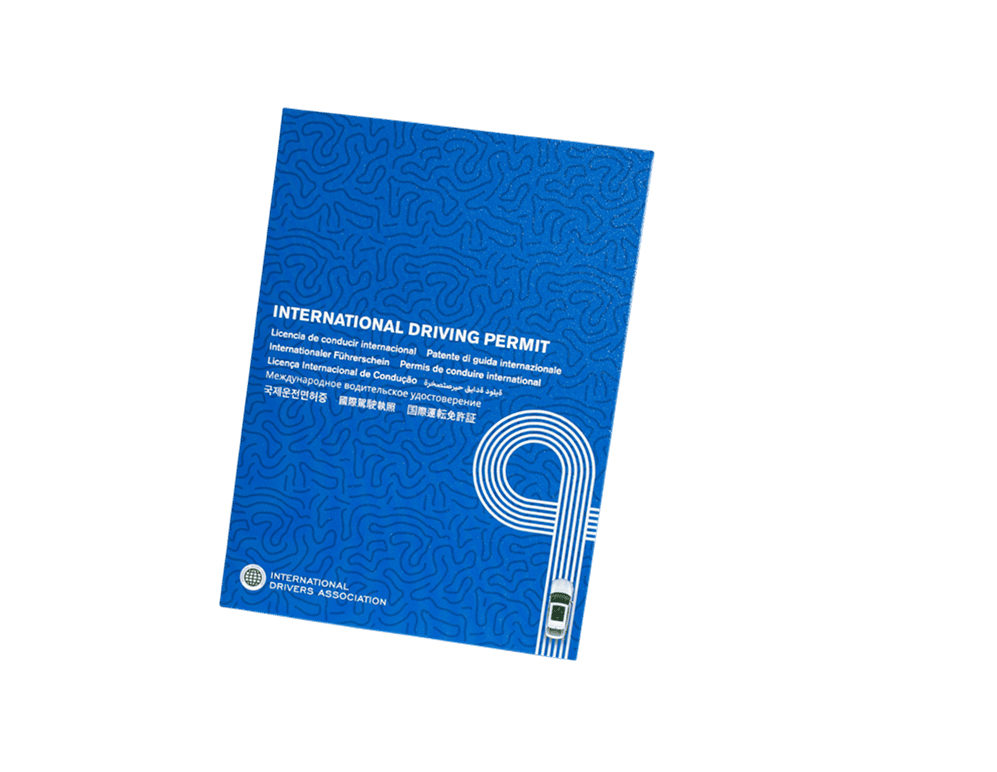
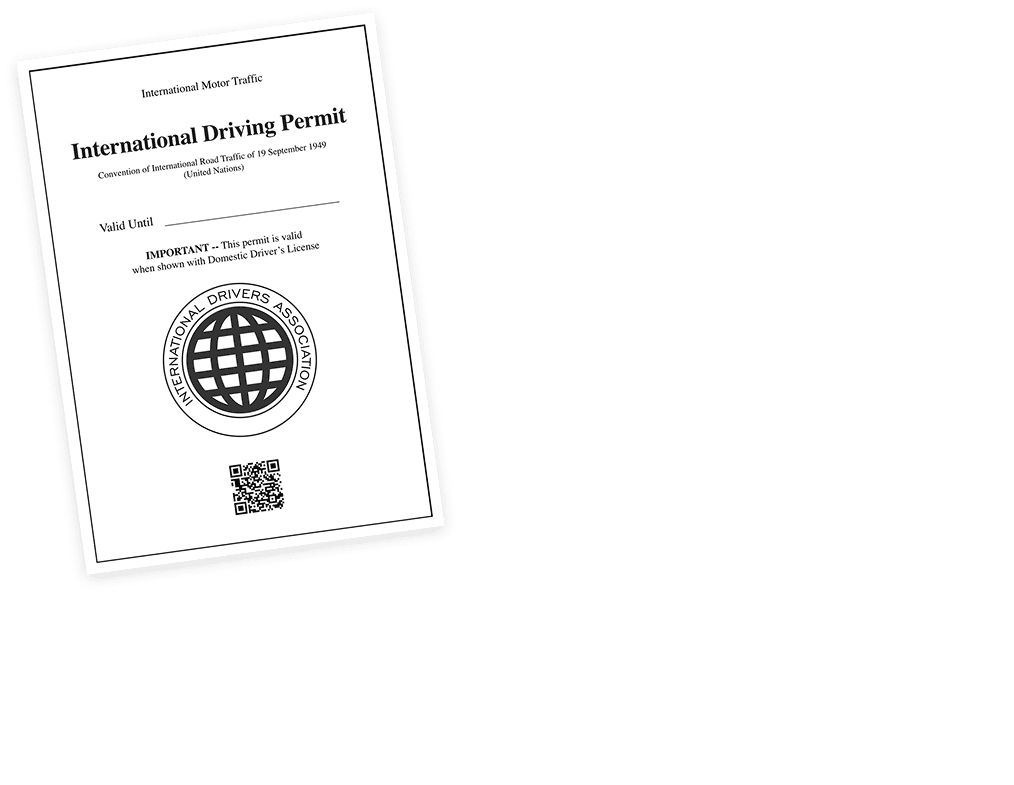
Gedruckter + digitaler Führerschein

Weltweite Gültigkeit

Gedruckt + Digital | 3 Jahre Gültigkeit

$79

$149

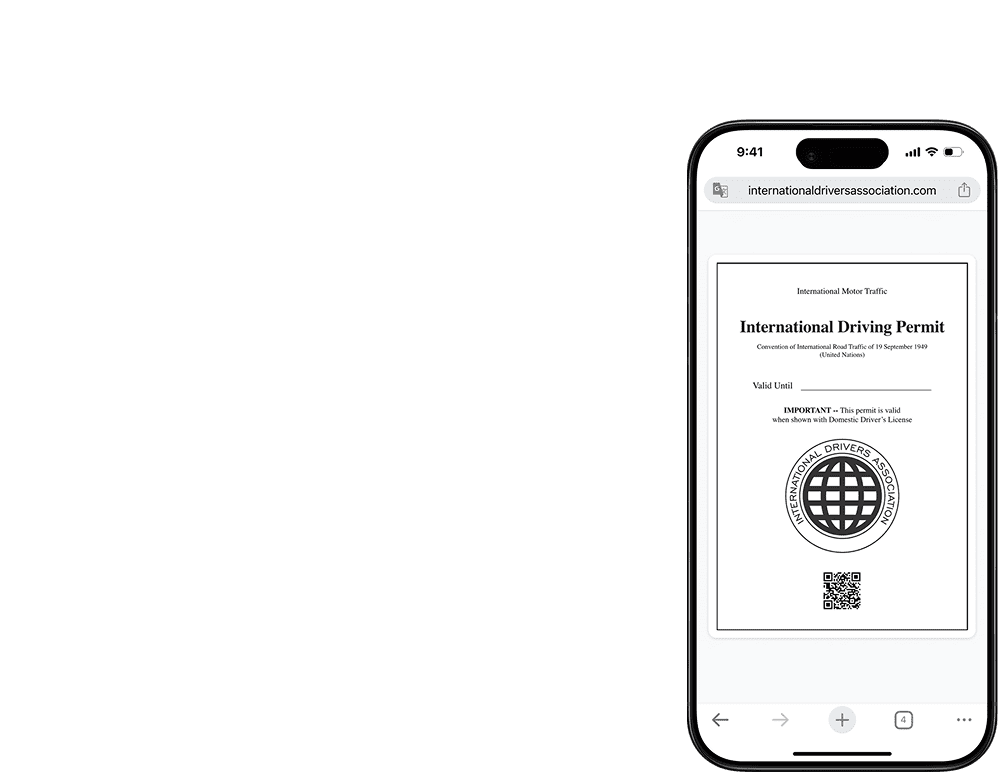
Digitaler Führerschein

Eingeschränkte Gültigkeit

Nur digital | 1 Jahr Gültigkeit

$49

Ein IDP ist unerlässlich, wenn Sie in Costa Rica fahren

Mietwagen einfach buchen & Bußgelder vermeiden – In vielen Ländern und bei vielen Vermietern wird ein Internationaler Führerschein (IDP) benötigt. Erhalten Sie Ihren in wenigen Minuten und reisen Sie sorgenfrei!

In über 150 Ländern anerkannt, erlaubt Ihnen ein IDP, legal und selbstbewusst im Ausland zu fahren. Mit einem internationalen Führerschein entdecken Sie die Welt auf Reisen über Grenzen, Kulturen und darüber hinaus. Informieren Sie sich über Länder mit IDP-Einschränkungen.

Egal ob Geschäftsreise oder Urlaub: Ein internationaler Führerschein ist ein essenzielles Reisedokument, mit dem Sie problemlos Mietwagen buchen, fremde Straßen befahren und die Welt legal erkunden können.

Übersetzungen in 12 Sprachen erleichtern die Kommunikation mit ausländischen Behörden und Mietwagenfirmen. So reisen Sie sicher und souverän auch auf unbekannten Straßen.

Stellen Sie sich vor, wohin Sie mit nur einem internationalen Führerschein reisen können! Bis zu drei Jahre gültig – die beste Wahl für Vielreisende. Planen, entdecken und länger bleiben – unser IDP deckt Sie ab.

Holen Sie sich einen IDP mit umfassendem Schutz und mehreren Garantien. Mit unserer Geld-zurück-Garantie und unbegrenzten kostenlosen Ersatz-Ausstellungen bleibt der internationale Führerschein bezahlbar.

Sie haben eine Frage oder Ihr IDP ist verloren gegangen? Kontaktieren Sie uns jederzeit und von überall – unser Support-Team hilft Ihnen rund um die Uhr bei allen Anliegen zum internationalen Fahren.

Egal, wo Sie sich auf der Welt befinden – Sie erhalten Ihren IDP schnell und unkompliziert. Unser Expressversand erleichtert Ihre internationalen Reisepläne und sorgt für maximale Bequemlichkeit.

Reisen durch mehrere Länder
Überall fahren
Sprachbarrieren
Bis zu 3 Jahre gültig
Mehrfache Garantien
24/7-Kundensupport
Weltweiter Expressversand

Vertraut von über 3.000 Reisenden. Hervorragend bewertet auf Trustpilot

Schließen Sie sich Tausenden zufriedener Reisender an, die uns für ihre internationalen Führerscheinübersetzungen vertrauen

FAQs: International Driving Permit in Costa Rica

Do I need an International Drivers License for Costa Rica?

No, you do not need an International Driving Permit to drive in Costa Rica if your national driver’s license is in English or Spanish. Tourists can drive with their valid foreign license for up to 90 days, as long as their entry stamp in their passport is still valid. However, if your license is in a language other than English or Spanish, an International Driving Permit (IDP) is recommended to help with verification by local authorities and car rental agencies. To ensure a hassle-free driving experience, you can easily apply for an International Driving Permit (IDP) through the International Drivers Association.

How do I get an international driver's license in Costa Rica?

There is no such thing as an International Driver's License. The official document that supports your home country driver's license is called an International Driving Permit. As for getting an International Driving Permit (IDP), it is fairly easy to get one. You can get it just by clicking the "Start My Application" button on the upper right corner of this page.

Can USA citizens drive in Costa Rica?

Yes, U.S. citizens can drive in Costa Rica using their valid U.S. driver’s license for up to 90 days, as long as their passport entry stamp remains valid. An International Driving Permit is not required, but it is highly recommended as it provides a Spanish translation of your license, making interactions with local authorities and rental companies easier. If staying beyond 90 days, you must obtain a Costa Rican driver’s license. To ensure a hassle-free experience, you can apply for an International Driving Permit (IDP) through the International Drivers Association.

Do Indian tourists need a visa to visit Costa Rica?

Yes, Indian tourists need a visa to visit Costa Rica unless they hold a valid multiple-entry visa from the USA, Canada, Schengen Zone, South Korea, or Japan, which allows entry without a Costa Rican visa for up to 30 days. Otherwise, Indian travelers must apply for a tourist visa at a Costa Rican embassy, providing a valid passport, return flight ticket, proof of accommodation, travel insurance, and financial proof.

Do Indian tourists need an International Driving Permit to drive in Costa Rica?

Yes, Indian tourists need an International Driving Permit along with their valid Indian driver’s license to legally drive in Costa Rica. The International Driving Permit (IDP) is required for car rentals and should be carried at all times while driving. Costa Rica follows right-hand driving, and road conditions can be challenging, especially in rural areas with unpaved roads, steep inclines, and unpredictable weather. Renting a 4x4 vehicle is recommended for off-road travel.

Most Important Driving Rules in Costa Rica

The challenge when driving in Costa Rica, according to Costa Rica driving rules, mostly revolves around the weather. Downpours are frequent, and due to the topography, fog formations can be excessive. However, local vehicular road users have adapted well to these conditions by embracing responsible driving, a key aspect of Costa Rica driving rules. So, if you are using a rental car, you need to adhere to the Costa Rica driving rules like every responsible Costa Rican driver, else your foreign driver's license will be confiscated.

The legal driving age in the country is 21 years old. The country is one of many that has a slightly older minimum driving age.

The common minimum age qualified for a rental car, without a surcharge, is 25 years old. Some car rental companies allow those below 25 years old to rent, but with additional daily fees. Whether you come from the United States, you can pay for it using credit cards, but carrying some cash wouldn't hurt.

Drinking and Driving in Costa Rica

Driving under the influence is one of the major causes of road accidents worldwide. In Costa Rica, pedestrians have constituted the majority of road fatalities (2018). To maintain road safety for all road users, drinking under the influence of alcohol is legally regulated.

If you are caught with a blood alcohol concentration (BAC) of more than 0.05%, you will be liable to a fine of up to $410 or risk imprisonment for up to three (3) years. For foreign passport holders, you might put yourself at risk of deportation depending on the degree of violation.

Speed Limit

The road conditions in the rural areas of the country are not in the best condition in the country. Not all are paved and there can be potholes, therefore, if you are driving beyond the speed limit which is 62mph on major roads, 37mph, and around schools or hospitals which is 15mph.

No Using of Handheld Mobile Devices

Driving in the country while using a cell phone is banned in the country. Handheld mobile devices could divert your attention while driving in the country's roads and might cause an accident. Therefore, if you are expecting any calls while driving in the country, it is best to request a vehicle from the car rental company which allows you to connect your phone to the vehicle.

Edit ImageOverride AltReplaceRemove

Alt Text

Top Destinations of Costa Rica

Road trip destinations in Costa Rica are both frequented by international and local travelers alike. If you are a seasoned backpacker, exploring the many rainforests’ unpaved trails will bewilder you. If you’re more of a history buff, Cartago’s colonial architecture and collection from the 1500s will thrill you. And these are not all. Costa Rica possesses almost all thematic destinations, an avid cultural and environmental traveler can dream about.

Mount Irazu

Towering at about 11,260 feet, Mount Irazu is Costa Rica’s tallest volcano. You can find it 55km east of San Jose and is within the 2,300has Irazu National Park.

What Can You Do on Mount Irazu?

There are only certain areas in the entire park that are open to the public. However, the number of sectors is enough to fill in a full day or more. There are four (4) craters in the park, but you can only view two (2) of them: the main crater and the Diego de la Haya crater.

An interesting fact is that the main crater only regained its blue-green crater waters last 2016. You can drive directly to the crater lookout and marvel at the 360-degree scenic views on top.

When Can You Visit Mount Irazu?

With a minimal entrance fee of US$15/adult and US$5/child, you can visit the Irazu Volcano National Park every day from 8:00 am - 3:30 pm. It would be best to drive up to the crater during the early hours because you don’t want to be stuck in a vehicle line-up in the later hours.

Rio Sarapique

The Sarapiqui River is nestled between Poas and Barba Volcanoes. It has a length of 85km and terminates at the San Juan River near Costa Rica and Nicaragua’s border. If you are a foreign driver from the United States who is driving a rental car, it is highly possible to help our driving guide for this country.

What Can You Do in Rio Sarapiqui?

The most popular activity to do in Rio Sarapiqui is the infamous whitewater rafting. This two (2) hour ride is both for seasoned paddlers and beginner rafters. You’ll traverse numerous rapids, including “The Pipeline,” “Dos Locos,” and “The Terminator.” Along the way, be fascinated by the lush verdant vegetation enveloping the riverbanks and the wildlife that lives within!

The whitewater rafting activity will use up an entire day because you’ll need to undergo an orientation plus the usual lunch package. It is best to go rafting in Rio Sarapiqui right after the rainy season, as the water becomes more active by then.

How Can You Drive to Rio Sarapiqui?

Whitewater rafting packages often include pick-up services from your hotels. However, if you want to drive up to the area, it usually takes 1 hour and 40 minutes from the Juan Santamaria Airport, via Route 712 and Route 126.

Tortuguero Canals

The Tortuguero Canals is dubbed as the Amazon of Costa Rica. Situated on the country’s Caribbean side, you can only access the town via boat or plane. It is the second-largest wetland ecosystem in the country and shelters more than 400 species of birds.

What Can You Do at the Tortuguero Canals?

Take part in a scenic boat ride through the canal networks and marvel at the wetlands’ mysterious and enchanting quietness. You can travel to the town via a motorized boat or the traditional canoe.

An area is also a nesting place for green turtles. If you visit the country in March and October, you might want to schedule a Tortuguero trip.

Where Is the Jump-Off Point to the Tortuguero Canals?

The fastest route to Tortuguero would be via Carr Braulio Carillo. It will take you about 3 hours to reach the jump-off point from the Juan Santamaria International Airport.

Rio Sarapique

The Sarapiqui River is nestled between Poas and Barba Volcanoes. It has a length of 85km and terminates at the San Juan River near Costa Rica and Nicaragua’s border. If you are a foreign driver from the United States who is driving a rental car, it is highly possible to help our driving guide for this country.

What Can You Do in Rio Sarapiqui?

The most popular activity to do in Rio Sarapiqui is the infamous whitewater rafting. This two (2) hour ride is both for seasoned paddlers and beginner rafters. You’ll traverse numerous rapids, including “The Pipeline,” “Dos Locos,” and “The Terminator.” Along the way, be fascinated by the lush verdant vegetation enveloping the riverbanks and the wildlife that lives within!

The whitewater rafting activity will use up an entire day because you’ll need to undergo an orientation plus the usual lunch package. It is best to go rafting in Rio Sarapiqui right after the rainy season, as the water becomes more active by then.

Pura Vida Waterfalls

This 650-feet tall waterfall is the highest one in Costa Rica. The visitor’s area itself covers around 24.28has and is approximately 4.8km from the Carara National Park.

What Can You Do at Pura Vida Falls?

Before you get to Pura Vida Falls, you will pass through a garden full of varying plant species, butterflies, macaws, toucans, and much more wildlife. The entrance fee is USD 20/adult and US$10/children. You can take a dip at the shallower parts of the Pura Vida Falls and dine at the nearby restaurant where you have a stunning view of the majestic waterfalls.

Since the area is on the Pacific side, sunsets are amazing, and you can get a good view of the Pacific in designated lookouts. The garden and falls is open from 7:30 am - 4:00 pm, Mondays to Saturdays.

Teatro Nacional Costa Rica

The National Theater of Costa is located in the capital city of San Jose. This 19th-century architectural masterpiece caters to the most prominent art shows, concerts, operas, theatre plays, and symphonies in Costa Rica.

What Is Special About the Teatro Nacional?

The Teatro Nacional is one of the most stunning historical buildings in Costa Rica. It features a lot of intricate, opulent designs that took seven(7) years to build. You’ll feel like royalty when inside.

You can visit the theater from 9:00 am - 5:00 pm, seven(7) days of the week if there are no private events such as concerts. There are also guided tours that you can avail of at a minimal price.

Samara

Costa Rica is endowed with the best beaches in the world. The majority of the coastline in the country has a perfect beach for all kinds of water activities. Samara’s town stands out because it remains true to the simple and laid back culture of Costa Rica, away from the popular upscale beach fronts.

What Can You Do at Samara?

Samara Beach is characterized by fine, white sand, excellent for an afternoon lounge. But that’s not all. You can surf, kayak, do sports-fishing, SCUBA dive, ride a horse on the beach, spot different species of birds that visit Isla Chora, and many more!

What Is Special About Samara?

Hotels and restaurants fill just one street in the town of Samara. Outside that, the area is mostly quiet and pristine, like an undiscovered little nook within the Nicoya Peninsula. It is far from the festive vibe of mainstream beaches and exudes the definition of pure relaxation.

How Can You Drive to Samara?

From the Liberia International Airport, the fastest route to Samara would be via Route 21 and Route 150. It will take you about 1 hour and 40 minutes to get to Samara by car.

From the Juan Santamaria International Airport, the fastest route would be via Route 1. It will take you about 3 hours and 40 minutes to reach Samara by car.

FAQs: International Driving Permit in Costa Rica

FAQs: International Driving Permit in Costa Rica

Do I need an International Drivers License for Costa Rica?

No, you do not need an International Driving Permit to drive in Costa Rica if your national driver’s license is in English or Spanish. Tourists can drive with their valid foreign license for up to 90 days, as long as their entry stamp in their passport is still valid. However, if your license is in a language other than English or Spanish, an International Driving Permit (IDP) is recommended to help with verification by local authorities and car rental agencies. To ensure a hassle-free driving experience, you can easily apply for an International Driving Permit (IDP) through the International Drivers Association.

How do I get an international driver's license in Costa Rica?

There is no such thing as an International Driver's License. The official document that supports your home country driver's license is called an International Driving Permit. As for getting an International Driving Permit (IDP), it is fairly easy to get one. You can get it just by clicking the "Start My Application" button on the upper right corner of this page.

Can USA citizens drive in Costa Rica?

Yes, U.S. citizens can drive in Costa Rica using their valid U.S. driver’s license for up to 90 days, as long as their passport entry stamp remains valid. An International Driving Permit is not required, but it is highly recommended as it provides a Spanish translation of your license, making interactions with local authorities and rental companies easier. If staying beyond 90 days, you must obtain a Costa Rican driver’s license. To ensure a hassle-free experience, you can apply for an International Driving Permit (IDP) through the International Drivers Association.

Do Indian tourists need a visa to visit Costa Rica?

Yes, Indian tourists need a visa to visit Costa Rica unless they hold a valid multiple-entry visa from the USA, Canada, Schengen Zone, South Korea, or Japan, which allows entry without a Costa Rican visa for up to 30 days. Otherwise, Indian travelers must apply for a tourist visa at a Costa Rican embassy, providing a valid passport, return flight ticket, proof of accommodation, travel insurance, and financial proof.

Do Indian tourists need an International Driving Permit to drive in Costa Rica?

Yes, Indian tourists need an International Driving Permit along with their valid Indian driver’s license to legally drive in Costa Rica. The International Driving Permit (IDP) is required for car rentals and should be carried at all times while driving. Costa Rica follows right-hand driving, and road conditions can be challenging, especially in rural areas with unpaved roads, steep inclines, and unpredictable weather. Renting a 4x4 vehicle is recommended for off-road travel.

Edit ImageOverride AltReplaceRemove

Alt Text

Most Important Driving Rules in Costa Rica

The challenge when driving in Costa Rica, according to Costa Rica driving rules, mostly revolves around the weather. Downpours are frequent, and due to the topography, fog formations can be excessive. However, local vehicular road users have adapted well to these conditions by embracing responsible driving, a key aspect of Costa Rica driving rules. So, if you are using a rental car, you need to adhere to the Costa Rica driving rules like every responsible Costa Rican driver, else your foreign driver's license will be confiscated.

The legal driving age in the country is 21 years old. The country is one of many that has a slightly older minimum driving age.

The common minimum age qualified for a rental car, without a surcharge, is 25 years old. Some car rental companies allow those below 25 years old to rent, but with additional daily fees. Whether you come from the United States, you can pay for it using credit cards, but carrying some cash wouldn't hurt.

Drinking and Driving in Costa Rica

Driving under the influence is one of the major causes of road accidents worldwide. In Costa Rica, pedestrians have constituted the majority of road fatalities (2018). To maintain road safety for all road users, drinking under the influence of alcohol is legally regulated.

If you are caught with a blood alcohol concentration (BAC) of more than 0.05%, you will be liable to a fine of up to $410 or risk imprisonment for up to three (3) years. For foreign passport holders, you might put yourself at risk of deportation depending on the degree of violation.

Speed Limit

The road conditions in the rural areas of the country are not in the best condition in the country. Not all are paved and there can be potholes, therefore, if you are driving beyond the speed limit which is 62mph on major roads, 37mph, and around schools or hospitals which is 15mph.

No Using of Handheld Mobile Devices

Driving in the country while using a cell phone is banned in the country. Handheld mobile devices could divert your attention while driving in the country's roads and might cause an accident. Therefore, if you are expecting any calls while driving in the country, it is best to request a vehicle from the car rental company which allows you to connect your phone to the vehicle.

Edit ImageOverride AltReplaceRemove

Alt Text

Top Destinations of Costa Rica

Road trip destinations in Costa Rica are both frequented by international and local travelers alike. If you are a seasoned backpacker, exploring the many rainforests’ unpaved trails will bewilder you. If you’re more of a history buff, Cartago’s colonial architecture and collection from the 1500s will thrill you. And these are not all. Costa Rica possesses almost all thematic destinations, an avid cultural and environmental traveler can dream about.

Mount Irazu

Towering at about 11,260 feet, Mount Irazu is Costa Rica’s tallest volcano. You can find it 55km east of San Jose and is within the 2,300has Irazu National Park.

What Can You Do on Mount Irazu?

There are only certain areas in the entire park that are open to the public. However, the number of sectors is enough to fill in a full day or more. There are four (4) craters in the park, but you can only view two (2) of them: the main crater and the Diego de la Haya crater.

An interesting fact is that the main crater only regained its blue-green crater waters last 2016. You can drive directly to the crater lookout and marvel at the 360-degree scenic views on top.

When Can You Visit Mount Irazu?

With a minimal entrance fee of US$15/adult and US$5/child, you can visit the Irazu Volcano National Park every day from 8:00 am - 3:30 pm. It would be best to drive up to the crater during the early hours because you don’t want to be stuck in a vehicle line-up in the later hours.

Rio Sarapique

The Sarapiqui River is nestled between Poas and Barba Volcanoes. It has a length of 85km and terminates at the San Juan River near Costa Rica and Nicaragua’s border. If you are a foreign driver from the United States who is driving a rental car, it is highly possible to help our driving guide for this country.

What Can You Do in Rio Sarapiqui?

The most popular activity to do in Rio Sarapiqui is the infamous whitewater rafting. This two (2) hour ride is both for seasoned paddlers and beginner rafters. You’ll traverse numerous rapids, including “The Pipeline,” “Dos Locos,” and “The Terminator.” Along the way, be fascinated by the lush verdant vegetation enveloping the riverbanks and the wildlife that lives within!

The whitewater rafting activity will use up an entire day because you’ll need to undergo an orientation plus the usual lunch package. It is best to go rafting in Rio Sarapiqui right after the rainy season, as the water becomes more active by then.

How Can You Drive to Rio Sarapiqui?

Whitewater rafting packages often include pick-up services from your hotels. However, if you want to drive up to the area, it usually takes 1 hour and 40 minutes from the Juan Santamaria Airport, via Route 712 and Route 126.

Tortuguero Canals

The Tortuguero Canals is dubbed as the Amazon of Costa Rica. Situated on the country’s Caribbean side, you can only access the town via boat or plane. It is the second-largest wetland ecosystem in the country and shelters more than 400 species of birds.

What Can You Do at the Tortuguero Canals?

Take part in a scenic boat ride through the canal networks and marvel at the wetlands’ mysterious and enchanting quietness. You can travel to the town via a motorized boat or the traditional canoe.

An area is also a nesting place for green turtles. If you visit the country in March and October, you might want to schedule a Tortuguero trip.

Where Is the Jump-Off Point to the Tortuguero Canals?

The fastest route to Tortuguero would be via Carr Braulio Carillo. It will take you about 3 hours to reach the jump-off point from the Juan Santamaria International Airport.

Rio Sarapique

The Sarapiqui River is nestled between Poas and Barba Volcanoes. It has a length of 85km and terminates at the San Juan River near Costa Rica and Nicaragua’s border. If you are a foreign driver from the United States who is driving a rental car, it is highly possible to help our driving guide for this country.

What Can You Do in Rio Sarapiqui?

The most popular activity to do in Rio Sarapiqui is the infamous whitewater rafting. This two (2) hour ride is both for seasoned paddlers and beginner rafters. You’ll traverse numerous rapids, including “The Pipeline,” “Dos Locos,” and “The Terminator.” Along the way, be fascinated by the lush verdant vegetation enveloping the riverbanks and the wildlife that lives within!

The whitewater rafting activity will use up an entire day because you’ll need to undergo an orientation plus the usual lunch package. It is best to go rafting in Rio Sarapiqui right after the rainy season, as the water becomes more active by then.

Pura Vida Waterfalls

This 650-feet tall waterfall is the highest one in Costa Rica. The visitor’s area itself covers around 24.28has and is approximately 4.8km from the Carara National Park.

What Can You Do at Pura Vida Falls?

Before you get to Pura Vida Falls, you will pass through a garden full of varying plant species, butterflies, macaws, toucans, and much more wildlife. The entrance fee is USD 20/adult and US$10/children. You can take a dip at the shallower parts of the Pura Vida Falls and dine at the nearby restaurant where you have a stunning view of the majestic waterfalls.

Since the area is on the Pacific side, sunsets are amazing, and you can get a good view of the Pacific in designated lookouts. The garden and falls is open from 7:30 am - 4:00 pm, Mondays to Saturdays.

Teatro Nacional Costa Rica

The National Theater of Costa is located in the capital city of San Jose. This 19th-century architectural masterpiece caters to the most prominent art shows, concerts, operas, theatre plays, and symphonies in Costa Rica.

What Is Special About the Teatro Nacional?

The Teatro Nacional is one of the most stunning historical buildings in Costa Rica. It features a lot of intricate, opulent designs that took seven(7) years to build. You’ll feel like royalty when inside.

You can visit the theater from 9:00 am - 5:00 pm, seven(7) days of the week if there are no private events such as concerts. There are also guided tours that you can avail of at a minimal price.

Samara

Costa Rica is endowed with the best beaches in the world. The majority of the coastline in the country has a perfect beach for all kinds of water activities. Samara’s town stands out because it remains true to the simple and laid back culture of Costa Rica, away from the popular upscale beach fronts.

What Can You Do at Samara?

Samara Beach is characterized by fine, white sand, excellent for an afternoon lounge. But that’s not all. You can surf, kayak, do sports-fishing, SCUBA dive, ride a horse on the beach, spot different species of birds that visit Isla Chora, and many more!

What Is Special About Samara?

Hotels and restaurants fill just one street in the town of Samara. Outside that, the area is mostly quiet and pristine, like an undiscovered little nook within the Nicoya Peninsula. It is far from the festive vibe of mainstream beaches and exudes the definition of pure relaxation.

How Can You Drive to Samara?

From the Liberia International Airport, the fastest route to Samara would be via Route 21 and Route 150. It will take you about 1 hour and 40 minutes to get to Samara by car.

From the Juan Santamaria International Airport, the fastest route would be via Route 1. It will take you about 3 hours and 40 minutes to reach Samara by car.

Preise

Risikolose Preise: 100 % Geld-zurück-Garantie

Volle Rückerstattung, wenn nicht akzeptiert – unbegrenzt kostenfreie Ersatzdokumente inklusive.

Bestes Angebot

Gedruckter + digitaler internationaler Führerschein

Gedruckter + Digitaler Internationaler Führerschein

Maximaler Schutz – enthält alles, was Sie im Ausland benötigen könnten

  • Kostenloser Zugang zu allen Vorteilen des digitalen Internationalen Führerscheins inklusive
  • In über 189 Ländern anerkannt – reisen Sie sorgenfrei
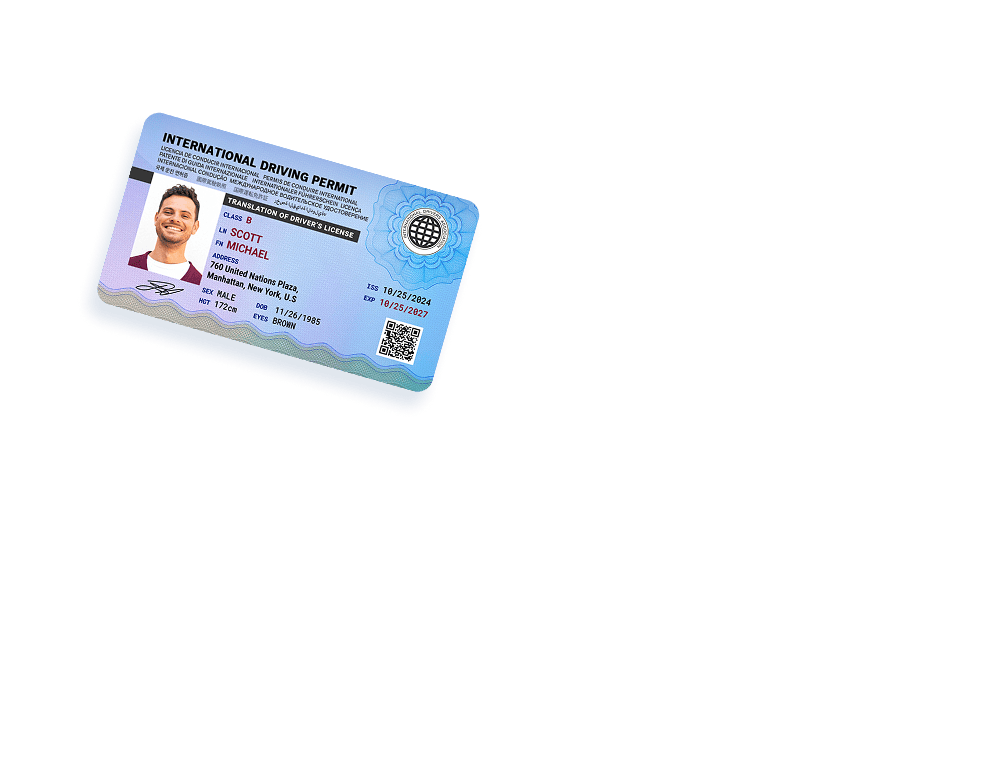
  • Enthält eine kostenlose ID-Karte mit englischen Führerscheindetails
  • Weltweit anerkannt und entspricht internationalen Standards
  • Unverzichtbar für nicht-englischsprachige Länder
Digitaler internationaler Führerschein

Digitaler Internationaler Führerschein

Sofort mehr Sicherheit – bereit zum Download in wenigen Minuten

  • Bequem zugängliches digitales Format, in vielen Ländern akzeptiert
  • Kann online beantragt werden, schneller und einfacher Ablauf
  • Weit verbreitete Akzeptanz, aber nicht in allen Ländern
  • Enthält kein gedrucktes Heft und keine zusätzliche Plastikkarte

Sie erhalten ein gedrucktes und digitales Heft sowie eine Karte für Ihren Internationalen Führerschein. Der digitale Internationale Führerschein wird in 8 Minuten versendet und Ihr physischer Internationaler Führerschein wird per Post zugestellt. Hier klicken für Informationen zu Ländern mit Einschränkungen beim Internationalen Führerschein.

Schneller Antragsprozess
Weltweit anerkannt
Geld-zurück-Garantie