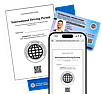

เอกสารที่จำเป็น
เพียงสิ่งที่คุณมีอยู่ในกระเป๋าสตางค์แล้ว
- ใบขับขี่ในประเทศที่ยังไม่หมดอายุ
- รูปถ่ายแบบพาสปอร์ต
- บัตรประจำตัวที่ออกโดยรัฐบาลที่ยังไม่หมดอายุ
- กรอกใบสมัครออนไลน์ให้ครบถ้วน



ใบขับขี่ของคุณได้รับการแปลทันทีและใช้ได้ในกว่า 189 ประเทศ เดินทางได้อย่างอิสระไปหลายจุดหมายปลายทางด้วยใบอนุญาตเดียว — ใช้งานได้ไม่จำกัดประเทศในช่วงเวลาที่เอกสารยังมีอายุ
ได้รับการยอมรับเป็นเวลา 1 ปีที่นี่ IDP ของคุณยังคงใช้งานได้ตลอดระยะเวลาที่กำหนดในอีก 189+ ประเทศปลายทาง
ใบอนุญาตขับขี่สากลไม่ได้รับการรับรองอย่างเป็นทางการในประเทศนี้
เริ่มต้นการสมัครของคุณ
ใช้เวลาไม่ถึง 2 นาทีในการดำเนินการให้เสร็จ
ได้รับการยอมรับเป็นเวลา 1 ปีที่นี่ IDP ของคุณยังคงใช้งานได้ตลอดระยะเวลาที่กำหนดในอีก 189+ ประเทศปลายทาง
ใบอนุญาตขับขี่สากลไม่ได้รับการรับรองอย่างเป็นทางการในประเทศนี้ กรุณาตรวจสอบกฎระเบียบการขับขี่ในท้องถิ่น
ครอบคลุมจำกัด
ดิจิทัลเท่านั้น | ใช้งานได้ 1 ปี
$49
แนะนำ
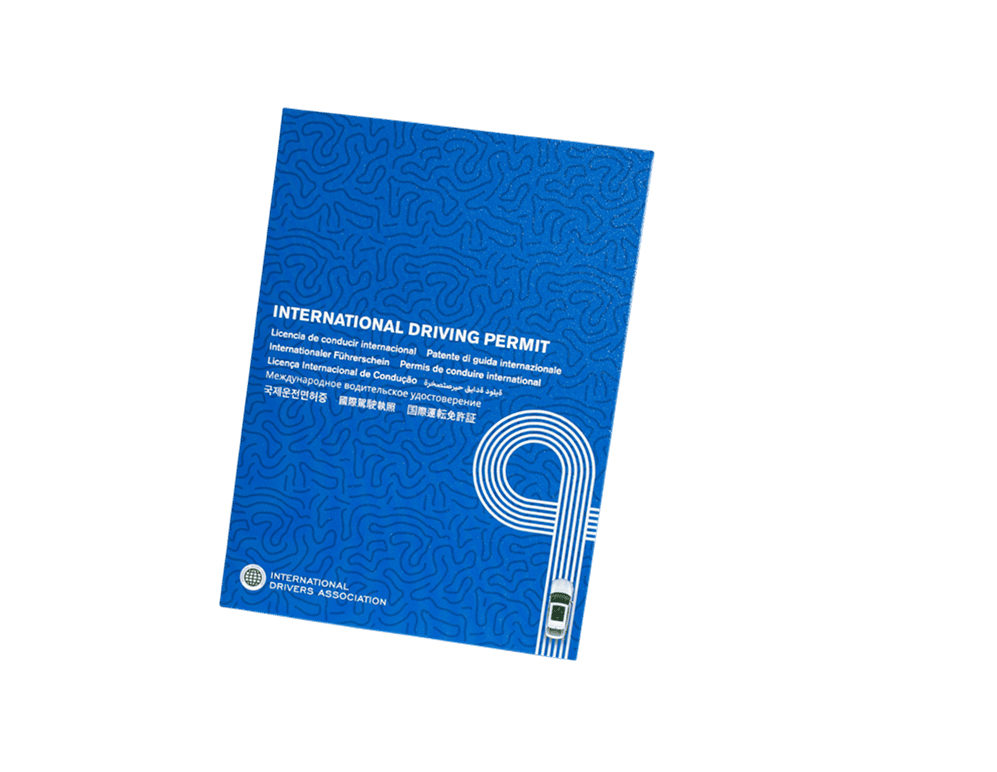
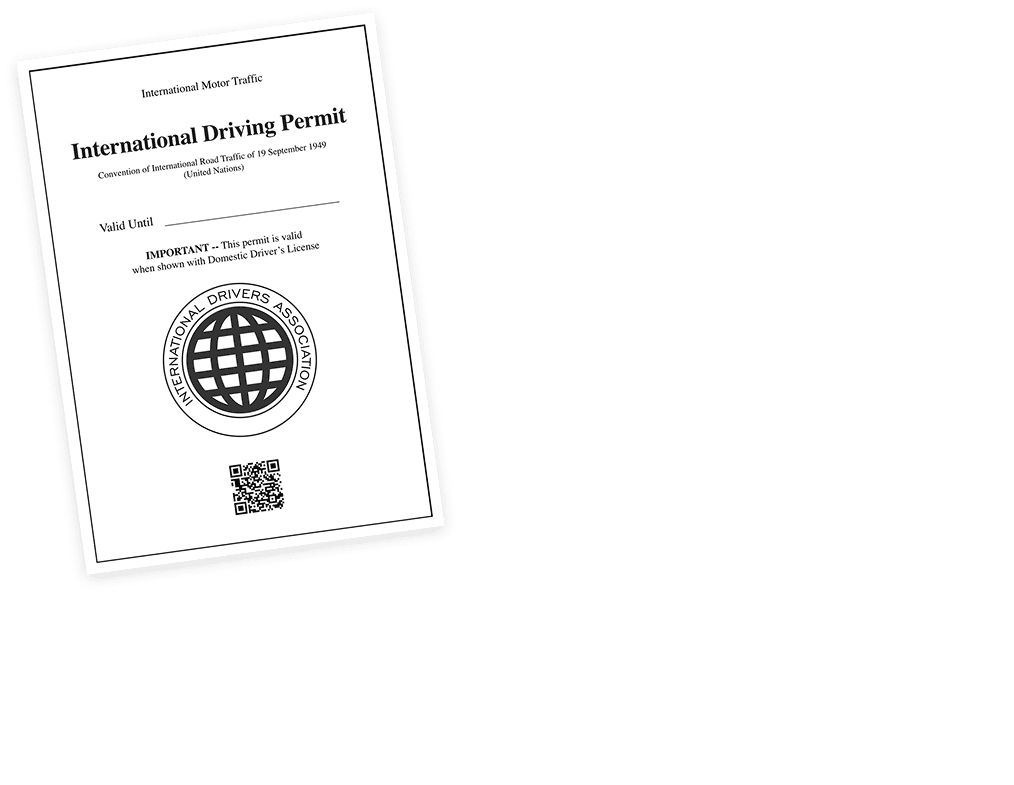
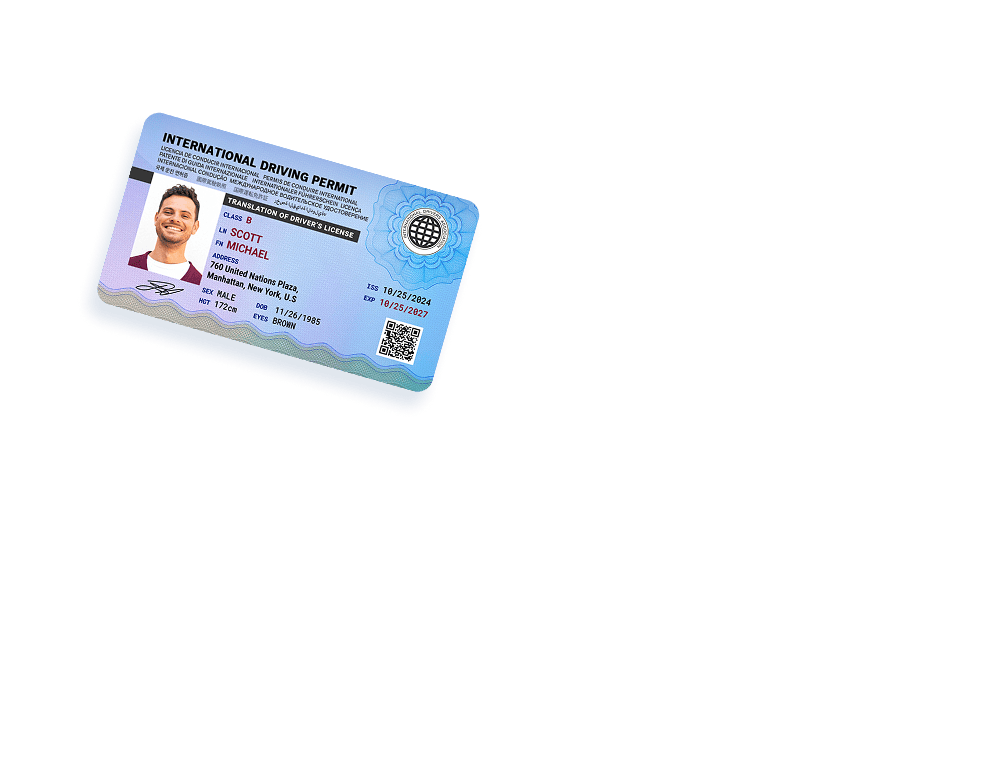
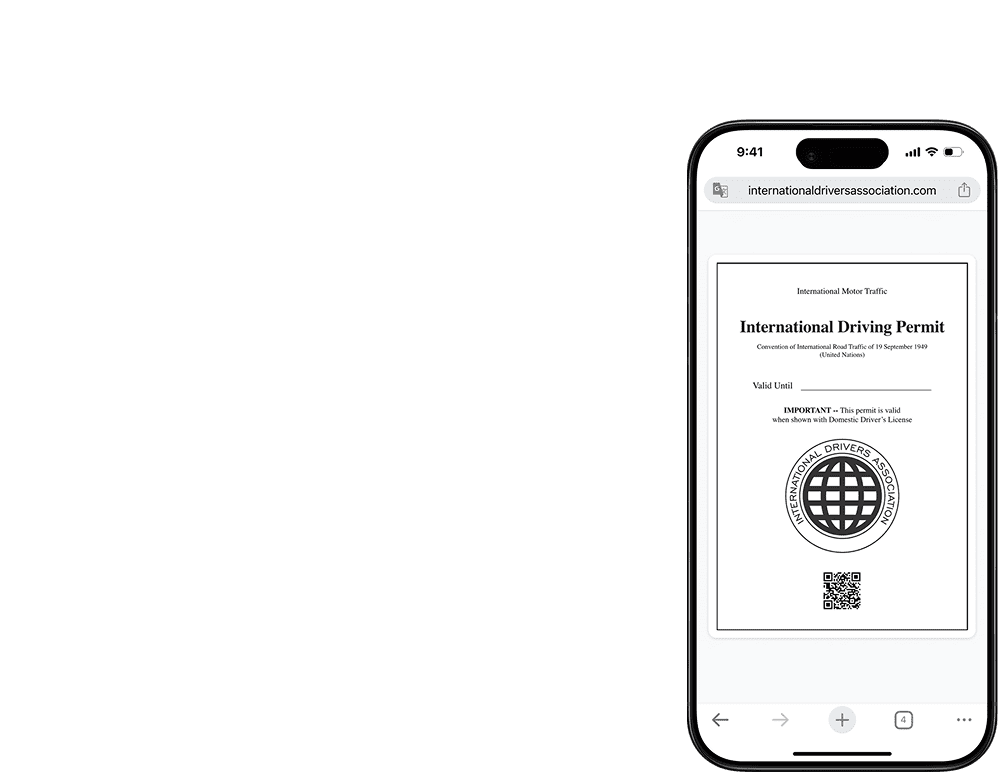
ครอบคลุมทั่วโลก
เอกสารพิมพ์ + ดิจิทัล | ใช้งานได้ 3 ปี
$79
$149







สาธารณรัฐแอฟริกากลางอนุญาตให้ชาวต่างชาติขับขี่ได้สูงสุดหนึ่งปีนับจากวันเข้าประเทศโดยใช้ใบอนุญาตขับขี่ระหว่างประเทศที่ได้รับการรับรองพร้อมใบอนุญาตขับขี่ในประเทศที่ยังมีอายุ การรับรองจากหน่วยงานออกใบอนุญาตมีความสำคัญในที่นี้ กรุณายืนยันว่าใบอนุญาตของคุณได้รับการยอมรับก่อนขับขี่
| ประเภทผู้ขับขี่ | ข้อกำหนด | หมายเหตุ |
|---|---|---|
| นักท่องเที่ยว / ผู้มาเยือนระยะสั้น | จำเป็นในกรณีส่วนใหญ่ | พกใบอนุญาตตัวจริงติดตัวเสมอ |
| ผู้ขับรถเช่า | มักต้องใช้ | ยืนยันหน่วยงานออกใบอนุญาตกับบริษัทเช่ารถของคุณ |
| ผู้พำนักต่างชาติระยะยาว | กฎระเบียบที่แตกต่างกันใช้บังคับ | หลังจาก 1 ปี อาจต้องมีใบอนุญาตขับขี่ท้องถิ่น |
| ผู้ถือใบอนุญาตขับขี่ที่ได้รับการยอมรับร่วมกัน | อาจได้รับการยกเว้น | ขึ้นอยู่กับข้อตกลงของประเทศต้นทาง |
ตรวจสอบให้แน่ใจว่าคุณมีคุณสมบัติตามเกณฑ์และเตรียมเอกสารต่อไปนี้ให้พร้อมก่อนเริ่มดำเนินการ
เพียงสิ่งที่คุณมีอยู่ในกระเป๋าสตางค์แล้ว
คุณต้องเป็นไปตามเงื่อนไขทุกข้อด้านล่าง
Every country’s driving licence can be considered valid to drive vehicles in any of the foreign countries, if only you have an International Driver’s Permit (IDP) accompanying it. An International Driving Permit (IDP) which is also known as an international driving license worldwide, is an essential item to use when you’re renting a motor vehicle from local car rental companies. It’s because your International Driving Permit (IDP) translates the entire information that is written in your valid driver’s license for local authorities on the road traffic in rural and urban areas, and local car hire companies to understand.
Our International Driving Permit (IDP) does not only take you on a road trip to the Central African Republic, but it also allows you to use to drive in 165+ countries worldwide. As per the United Nations’ Vienna Convention on Road Traffic, you don’t need to apply for a driver’s license for Central Africa if you’re driving in the country for less than three months.
You can use our International Driving Permit (IDP) to drive there since it is highly recommended, including the following:
Obtaining your International Driving Permit (IDP) is fairly easy. You only need a copy of your valid driver’s license, credit card, and passport-size photo. Once you’ve prepared that, complete the application process and fill out all the required information as written on your driver’s license.
The Central African Republic is rich in natural minerals, wildlife, and culture, but in peace and tangible wealth, not so much. Cut all the troubles and continuous political rivalries out of the picture, and you will appreciate this nation more. Amidst all the chaos that is happening in the country, the Central African Republic’s amazing wilderness will entice you to visit and see its magical nature, and diverse fauna that can only be seen in the African continent.
The national park sits in CAR’s southwest region Bayanga near the Sangha River, a Congo major tributary. You should not miss exploring the country’s most popular nature park as Dzanga-Sangha shelters a large species of mammals that you can get up-close with. Wildlife creatures such as the famous western lowland gorilla, forest elephant, chimpanzee, the bongo, the giant forest hog, water buffalo, sitatungas, and the river hog freely roam around their habitat.
The cute town of Zinga is so small, measuring a length of only 1 kilometer and 300 meters in width. Although small, the traditional Congo wooden houses in this friendly town are so rare and beautiful, you wouldn’t want to miss a visit. However, you cannot drive to reach Zinga due to its location in the Ubangi River; the only ways you can reach the town is to take a from Banguivia motorboat or traditional canoe.
Sits in the northeastern region of CAR, Manovo-Gounda’s diverse flora and fauna made it to the list of UNESCO’s World Heritage Sites in 1988. The national park is divided naturally by the Bahr Anouk and Bahr Kameu in the north, which creates the park’s grassy floodplain. Its southern zone is the Chaine des Bongo plateau, while wooded and bushy savannas and occasional granite inselbergs are significant attractions in its central location.
Manovo-Gounda is one of the most important national reserves in the country as it houses and protects endangered species of mammals. Visit the park and watch the rare black rhinos, elephants, buffalos, red-fronted gazelles, cheetahs, and leopards wander the park. It’s always fun to see the wildlife in real life as you’ll learn more about their behaviors within their natural surroundings.
CAR’s capital city of Bangui was founded in 1889 as a French trading post. You can wander around the city and explore the PK-5 Market, where foreign and local traders meet. The Presidential Palace is also one of the major attractions, alongside the Notre-Dame of Bangui and The Big Mosque. Visiting Bangui gives you a full experience of the country’s city life, so don’t miss out on indulging in nightlife, made lively by CAR’s diverse music.
The Bamingui-Bangoran National Park is located in the northern region of the country and was established in 1993. It’s also categorized as a biosphere reserve and one of the most treasured national reserves in CAR as it shelters some of the most endangered species in Africa. Explore the park and watch the African wild dog, the African manatee, cheetah, and lion peacefully wander around their natural habitat. The park is also a sanctuary for rare frog species such as the Galam white-lipped frog, Mascarene ridged frog and the crowned bullfrog.
Visiting the Boganda National Museum gives you a peek into the Central African Republic’s history and culture. The museum exhibits various kitchen utensils, traditional musical instruments, weapons, ebony and ivory sculptures, and pieces of jewelry. Aside from appreciating the locals’ artistic side, you can also learn more about the culture of Pygmy people inside the museum.
African Parks, a nonprofit conservation organization, started protecting the nature reserve in 2014 with the CAR government’s help. Like other nature reserves in the country, the Chinko Nature Reserve is built to safeguard the area’s surviving wildlife. Explore the nature reserve and spot some rare species of wild dogs considered to be endangered in Africa.
If you want to see a structure as ancient as England’s Stonehenge, Bouar’s Tajunu has it for you. About 70 megalithic stones are situated here and are believed to be the marks for burial grounds in ancient times. The rocks are as old as 7440 BC, so it is almost as if you see ancient Africa when you visit the area.
The tribal town of Kembe boasts impressive waterfalls, which may not be popular among tourists, but will captivate your heart once you see them. While you're here, connect with the locals and have a taste of the simplicity of African life, with homes made out of mud bricks and thatched roofs.
The Central African Republic, despite having a lax approach to the enforcement of their traffic laws, still has a set of driving rules that must be adhered to. These Central African Republic driving rules are similar to those in neighboring countries and are generally easy to follow. However, the challenge lies in the lack of traffic signs, especially outside the major cities. As a tourist, it's crucial to respect the laws of the countries you visit, including the Central African Republic driving rules.
One of the primary Central African Republic driving rules for foreigners is the requirement to obtain an international driving permit. This rule is particularly important for those planning to drive in the Central African Republic. To understand more about the significance of adhering to the Central African Republic driving rules, continue reading below.
Aside from the International Driver's Permit for the Central African Republic, guidelines for driving must be followed to get around the country safely. The traffic laws in CAR include the seatbelt law required for the drivers and all passengers in a moving vehicle. Practicing this safety measure saves not only your life but of your fellow drivers as well. If you fail, you could face a penalty for neglecting seat belt laws, such as a fine or a meetup with a jail guard.
Drunk driving is quite common among local drivers in CAR, and sometimes, even some police officers at checkpoints appear drunk on duty. Despite this, limit your alcohol intake to 80 mg per 100 ml of blood, or don’t drink at all. One of the leading causes of fatal accidents on the road is a lack of awareness while driving drunk. At checkpoints, police officers will ask you to blow through a breathalyzer; if you’re found guilty of violating the traffic law, you can get penalized.
The Central African Republic is rich in natural minerals, wildlife, and culture, but in peace and tangible wealth, not so much. Cut all the troubles and continuous political rivalries out of the picture, and you will appreciate this nation more. Amidst all the chaos that is happening in the country, the Central African Republic’s amazing wilderness will entice you to visit and see its magical nature, and diverse fauna that can only be seen in the African continent.
The national park sits in CAR’s southwest region Bayanga near the Sangha River, a Congo major tributary. You should not miss exploring the country’s most popular nature park as Dzanga-Sangha shelters a large species of mammals that you can get up-close with. Wildlife creatures such as the famous western lowland gorilla, forest elephant, chimpanzee, the bongo, the giant forest hog, water buffalo, sitatungas, and the river hog freely roam around their habitat.
The cute town of Zinga is so small, measuring a length of only 1 kilometer and 300 meters in width. Although small, the traditional Congo wooden houses in this friendly town are so rare and beautiful, you wouldn’t want to miss a visit. However, you cannot drive to reach Zinga due to its location in the Ubangi River; the only ways you can reach the town is to take a from Banguivia motorboat or traditional canoe.
Sits in the northeastern region of CAR, Manovo-Gounda’s diverse flora and fauna made it to the list of UNESCO’s World Heritage Sites in 1988. The national park is divided naturally by the Bahr Anouk and Bahr Kameu in the north, which creates the park’s grassy floodplain. Its southern zone is the Chaine des Bongo plateau, while wooded and bushy savannas and occasional granite inselbergs are significant attractions in its central location.
Manovo-Gounda is one of the most important national reserves in the country as it houses and protects endangered species of mammals. Visit the park and watch the rare black rhinos, elephants, buffalos, red-fronted gazelles, cheetahs, and leopards wander the park. It’s always fun to see the wildlife in real life as you’ll learn more about their behaviors within their natural surroundings.
CAR’s capital city of Bangui was founded in 1889 as a French trading post. You can wander around the city and explore the PK-5 Market, where foreign and local traders meet. The Presidential Palace is also one of the major attractions, alongside the Notre-Dame of Bangui and The Big Mosque. Visiting Bangui gives you a full experience of the country’s city life, so don’t miss out on indulging in nightlife, made lively by CAR’s diverse music.
The Bamingui-Bangoran National Park is located in the northern region of the country and was established in 1993. It’s also categorized as a biosphere reserve and one of the most treasured national reserves in CAR as it shelters some of the most endangered species in Africa. Explore the park and watch the African wild dog, the African manatee, cheetah, and lion peacefully wander around their natural habitat. The park is also a sanctuary for rare frog species such as the Galam white-lipped frog, Mascarene ridged frog and the crowned bullfrog.
Visiting the Boganda National Museum gives you a peek into the Central African Republic’s history and culture. The museum exhibits various kitchen utensils, traditional musical instruments, weapons, ebony and ivory sculptures, and pieces of jewelry. Aside from appreciating the locals’ artistic side, you can also learn more about the culture of Pygmy people inside the museum.
African Parks, a nonprofit conservation organization, started protecting the nature reserve in 2014 with the CAR government’s help. Like other nature reserves in the country, the Chinko Nature Reserve is built to safeguard the area’s surviving wildlife. Explore the nature reserve and spot some rare species of wild dogs considered to be endangered in Africa.
If you want to see a structure as ancient as England’s Stonehenge, Bouar’s Tajunu has it for you. About 70 megalithic stones are situated here and are believed to be the marks for burial grounds in ancient times. The rocks are as old as 7440 BC, so it is almost as if you see ancient Africa when you visit the area.
The tribal town of Kembe boasts impressive waterfalls, which may not be popular among tourists, but will captivate your heart once you see them. While you're here, connect with the locals and have a taste of the simplicity of African life, with homes made out of mud bricks and thatched roofs.
The Central African Republic, despite having a lax approach to the enforcement of their traffic laws, still has a set of driving rules that must be adhered to. These Central African Republic driving rules are similar to those in neighboring countries and are generally easy to follow. However, the challenge lies in the lack of traffic signs, especially outside the major cities. As a tourist, it's crucial to respect the laws of the countries you visit, including the Central African Republic driving rules.
One of the primary Central African Republic driving rules for foreigners is the requirement to obtain an international driving permit. This rule is particularly important for those planning to drive in the Central African Republic. To understand more about the significance of adhering to the Central African Republic driving rules, continue reading below.
Aside from the International Driver's Permit for the Central African Republic, guidelines for driving must be followed to get around the country safely. The traffic laws in CAR include the seatbelt law required for the drivers and all passengers in a moving vehicle. Practicing this safety measure saves not only your life but of your fellow drivers as well. If you fail, you could face a penalty for neglecting seat belt laws, such as a fine or a meetup with a jail guard.
Drunk driving is quite common among local drivers in CAR, and sometimes, even some police officers at checkpoints appear drunk on duty. Despite this, limit your alcohol intake to 80 mg per 100 ml of blood, or don’t drink at all. One of the leading causes of fatal accidents on the road is a lack of awareness while driving drunk. At checkpoints, police officers will ask you to blow through a breathalyzer; if you’re found guilty of violating the traffic law, you can get penalized.
เข้าร่วมกับนักเดินทางหลายพันคนที่พึงพอใจและไว้วางใจเราสำหรับใบอนุญาตขับขี่ระหว่างประเทศของพวกเขา
คืนเงินเต็มจำนวนหากไม่ได้รับการยอมรับ พร้อมสิทธิ์ขอเอกสารใหม่ฟรีไม่จำกัดครั้ง
คุ้มค่าที่สุด
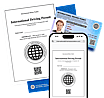
คุ้มค่าสูงสุด – ครอบคลุมทุกอย่างที่อาจต้องใช้ในต่างประเทศ

อุ่นใจทันที – ดาวน์โหลดได้ในไม่กี่นาที
ค้นหาคำตอบสำหรับคำถามที่พบบ่อย และรับข้อมูลที่คุณต้องการอย่างรวดเร็วและง่ายดาย
ใบอนุญาตขับขี่ระหว่างประเทศเป็นข้อกำหนดในการขับขี่หรือเช่ารถในต่างประเทศส่วนใหญ่