


All Driving Guides A-Z
- Albania Driving Guide
- Algeria Driving Guide
- Andorra Driving Guide
- Angola Driving Guide
- Antigua Driving Guide
- Argentina Driving Guide
- Armenia Driving Guide
- Aruba Driving Guide
- Australia Driving Guide
- Austria Driving Guide
- Bahamas Driving Guide
- Bahrain Driving Guide
- Bali Driving Guide
- Bangladesh Driving Guide
- Barbados Driving Guide
- Belarus Driving Guide
- Belgium Driving Guide
- Belize Driving Guide
- Benin Driving Guide
- Bhutan Driving Guide
- Bolivia Driving Guide
- Bosnia and Herzegovina Guide
- Botswana Driving Guide
- Brazil Driving Guide
- Brunei Driving Guide
- Bulgaria Driving Guide
- Burundi Driving Guide
- Cambodia Driving Guide
- Cameroon Driving Guide
- Cape Verde Island Driving Guide
- Cayman Islands Driving Guide
- Central African Republic Driving Guide
- Chad Driving Guide
- Chile Driving Guide
- Colombia Driving Guide
- Comoros Driving Guide
- Congo Driving Guide
- Costa Rica Driving Guide
- Croatia Driving Guide
- Cuba Driving Guide
- Cyprus Driving Guide
- Czech Republic Driving Guide
- Denmark Driving Guide
- Djibouti Driving Guide
- Dominica Driving Guide
- Dominican Republic Driving Guide
- Driving in Canada
- Driving in Egypt: A Local’s Guide for Tourists
- Driving in France
- Driving in French Polynesia (2026): Complete Tourist Guide
- Driving in Kazakhstan (2026): Complete Tourist Guide
- Driving in Liberia (2026): Complete Tourist Guide
- Dubai Driving Guide
- Ecuador Driving Guide
- El Salvador Driving Guide
- Equatorial Guinea Driving Guide
- Eritrea Driving Guide
- Estonia Driving Guide
- Fiji Driving Guide
- Finland Driving Guide
- Gabon Driving Guide
- Gambia Driving Guide
- Georgia Driving Guide
- Germany Driving Guide
- Ghana Driving Guide
- Gibraltar Driving Guide
- Greece Driving Guide
- Grenada Driving Guide
- Guatemala Driving Guide
- Guinea Driving Guide
- Haiti Driving Guide
- Honduras Driving Guide
- Hong Kong Driving Guide
- Hungary Driving Guide
- Iceland Driving Guide
- India Driving Guide
- Indonesia Driving Guide
- Iran Driving Guide
- Ireland Driving Guide
- Israel Driving Guide
- Italy Driving Guide
- Jamaica Driving Guide
- Japan Driving Guide
- Jersey Driving Guide
- Jordan Driving Guide
- Kenya Driving Guide
- Kiribati Driving Guide
- Kuwait Driving Guide
- Kyrgyzstan Driving Guide
- Laos Driving Guide
- Latvia Driving Guide
- Lebanon Driving Guide
- Lesotho Driving Guide
- Libya Driving Guide
- Liechtenstein Driving Guide
- Lithuania Driving Guide
- Luxembourg Driving Guide
- Macao Driving Guide
- Madagascar Driving Guide
- Malawi Driving Guide
- Malaysia Driving Guide
- Maldives Driving Guide
- Malta Driving Guide
- Marshall Islands Driving Guide
- Mauritania Driving Guide
- Mauritius Driving Guide
- Mexico Driving Guide
- Micronesia Driving Guide
- Moldova Driving Guide
- Monaco Driving Guide
- Mongolia Driving Guide
- Montenegro Driving Guide
- Morocco Driving Guide
- Mozambique Driving Guide
- Myanmar Driving Guide
- Namibia Driving Guide
- Nauru Driving Guide
- Nepal Driving Guide
- Netherlands Driving Guide
- New Caledonia Driving Guide
- New Guinea Driving Guide
- New Zealand Driving Guide
- Nicaragua Driving Guide
- Nigeria Driving Guide
- North Macedonia Driving Guide
- Norway Driving Guide
- Oman Driving Guide
- Palau Driving Guide
- Panama Driving Guide
- Papua New Guinea Driving Guide
- Paraguay Driving Guide
- Peru Driving Guide
- Philippines Driving Guide
- Poland Driving Guide
- Polynesia Driving Guide
- Portugal Driving Guide
- Qatar Driving Guide
- Renting a Car in Taiwan: Beginner's Guide for International Travelers
- Romania Driving Guide
- Russia Driving Guide
- Rwanda Driving Guide
- Saint Kitts and Nevis Driving Guide
- Saint Lucia Driving Guide
- Samoa Driving Guide
- San Marino Driving Guide
- Saudi Arabia Driving Guide
- Senegal Driving Guide
- Serbia Driving Guide
- Seychelles Driving Guide
- Sierra Leone Driving Guide
- Singapore Driving Guide
- Slovakia Driving Guide
- Slovenia Driving Guide
- Solomon Islands Driving Guide
- South Africa Driving Guide
- South Korea Driving Guide
- South Sudan Driving Guide
- Spain Driving Guide
- Sri Lanka Driving Guide
- Sudan Driving Guide
- Suriname Driving Guide
- Sweden Driving Guide
- Switzerland Driving Guide
- Taiwan Driving Guide
- Tajikistan Driving Guide
- Tanzania Driving Guide
- Thailand Driving Guide
- Togo Driving Guide
- Tonga Driving Guide
- Trinidad and Tobago Driving Guide
- Tunisia Driving Guide
- Turkey Driving Guide
- Turkmenistan Driving Guide
- Tuvalu Driving Guide
- Uganda Driving Guide
- Ukraine Driving Guide
- United Kingdom Driving Guide
- United States of America Driving Guide
- Uruguay Driving Guide
- Uzbekistan Driving Guide
- Vanuatu Driving Guide
- Vatican City Driving Guide
- Venezuela Driving Guide
- Vietnam Driving Guide
- Yemen Driving Guide
- Zambia Driving Guide
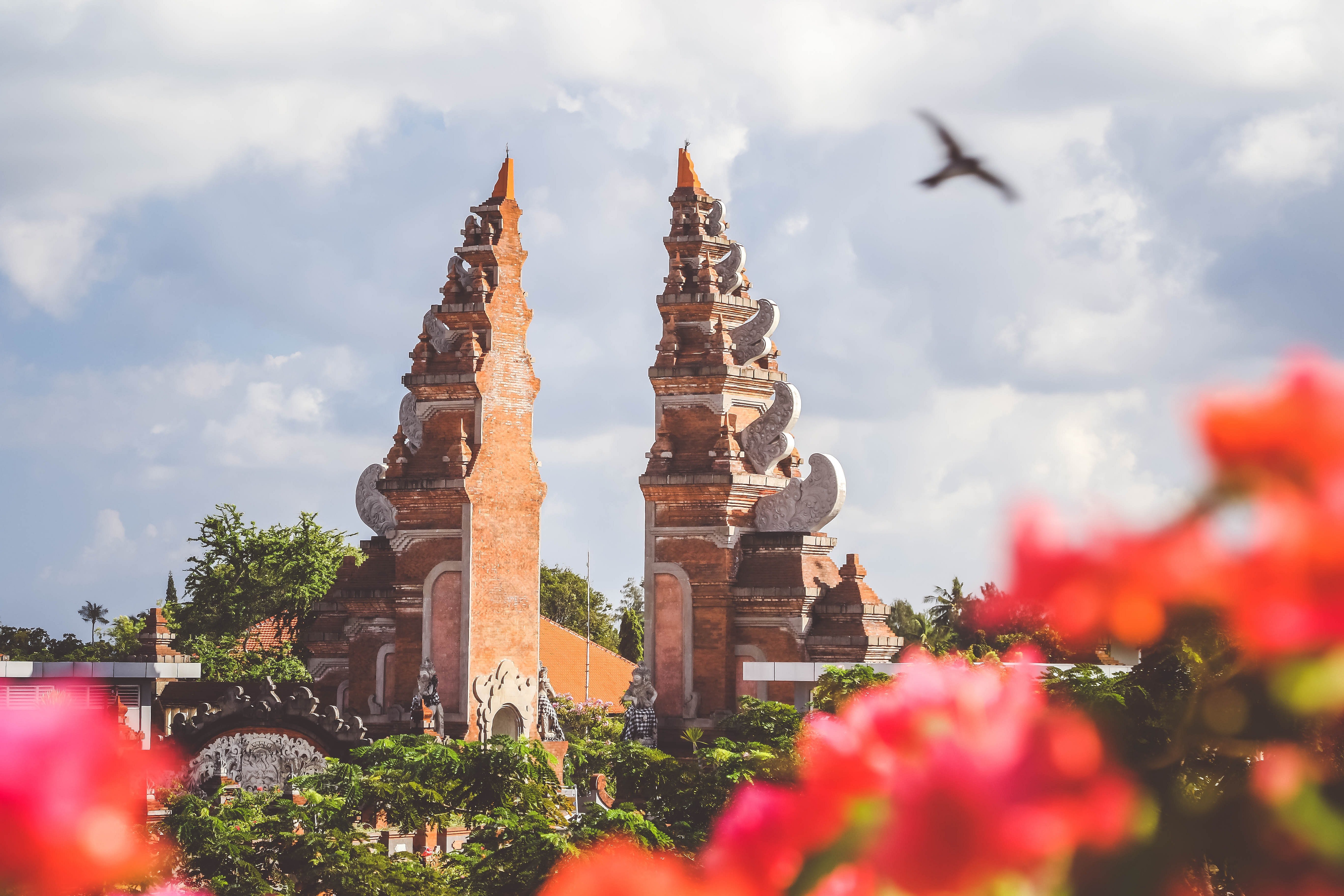
Indonesia Driving Guide
What it’s really like to drive on the streets of Bali, Jakarta, and beyond
As someone who's driven across Indonesia for years, from the streets of Surabaya to the winding roads of Ubud. I can tell you that driving here isn’t just about the vehicle or the map. It’s about understanding the rhythm.
Whether you’re exploring temple towns or looking for that perfect beach with no tour buses in sight, driving gives you flexibility. But first-time visitors often feel overwhelmed. The good news? With the right mindset and preparation, you’ll adapt quicker than you expect.
In this guide, I’ll walk you through what to really expect behind the wheel, what locals do, how rules are (sometimes) followed, and what makes driving in Indonesia so unlike anywhere else.
What Is It Like to Drive in Indonesia?
Driving in Indonesia is both wild and strangely harmonious.
At first glance, it looks chaotic, motorcycles moving in every direction, cars squeezing into spaces that barely exist, honks ringing out in every tone. But then you realize: everyone is watching everyone. It’s not disorder. It’s intuition in motion.
There are lanes, but they’re more like “guidelines.” Traffic lights exist, but you might still see cars moving through a red light, slowly, cautiously, as if asking permission with their headlights. And yet, things flow.
The trick isn’t to fight it. It’s to read it like a current. If you try to apply textbook driving logic, you’ll stall. If you watch, wait, and learn the tempo, you’ll find yourself moving with it, even enjoying it.
Why Motorbikes Are Everywhere?
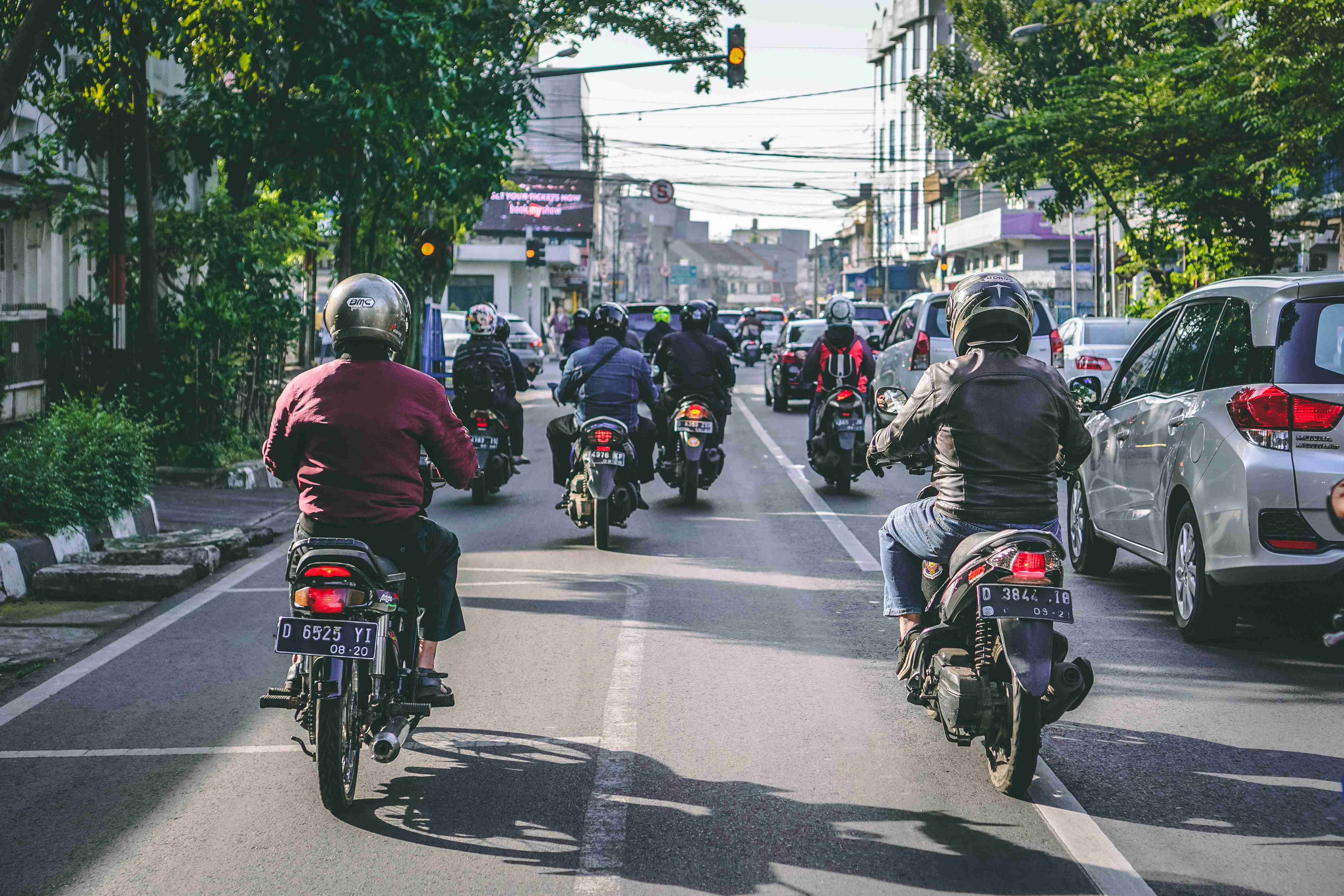
In most cities and towns, especially in Bali, Yogyakarta, and Jakarta, motorbikes outnumber cars dramatically. In fact, motorcycles make up over 80% of Indonesia’s registered vehicles, with more than 100 million on the road.
They’re agile, affordable, and ideal for weaving through dense traffic or narrow kampung (village) streets. You’ll see all kinds of variations: scooters with entire families on board, bike couriers stacked with deliveries, even one with a caged chicken riding pillion.
As a driver, this is what you need to know:
- Motorbikes will pass you on both sides
- They might appear suddenly in your blind spot
- They often ride on the shoulder or wrong side in slow traffic
- They rarely signal, but they always expect you to see them
And here’s something many tourists don’t realize: if you’re in a car and you hit a motorbike, even if it clearly wasn’t your fault, you might still be blamed. Socially and legally, the larger vehicle tends to be held more responsible.
Rule of thumb: Before you open your car door, always look twice. Motorbikes move faster and closer than you expect.
How Traffic Really Works (And Sometimes Doesn’t)
On paper, Indonesian traffic law is similar to most other countries: drive on the left, obey signals, wear helmets and seatbelts, and follow posted speed limits. In reality, it’s more of a “flexible framework.”
Here’s how it usually plays out:
- Drive on the left: Yes, but you’ll often see vehicles drifting or temporarily crossing over to avoid potholes or pass trucks.
- Lane markings: Often faded. Often ignored. Cars and bikes fill any available gap.
- Speed limits: Urban limits hover around 50 km/h, but the flow of traffic dictates pace.
- Helmets: Worn consistently in cities. Less so in rural areas.
- Seatbelts: Expected in front seats. In the back? Rarely used.
- Police enforcement: Depends on the day and the district.
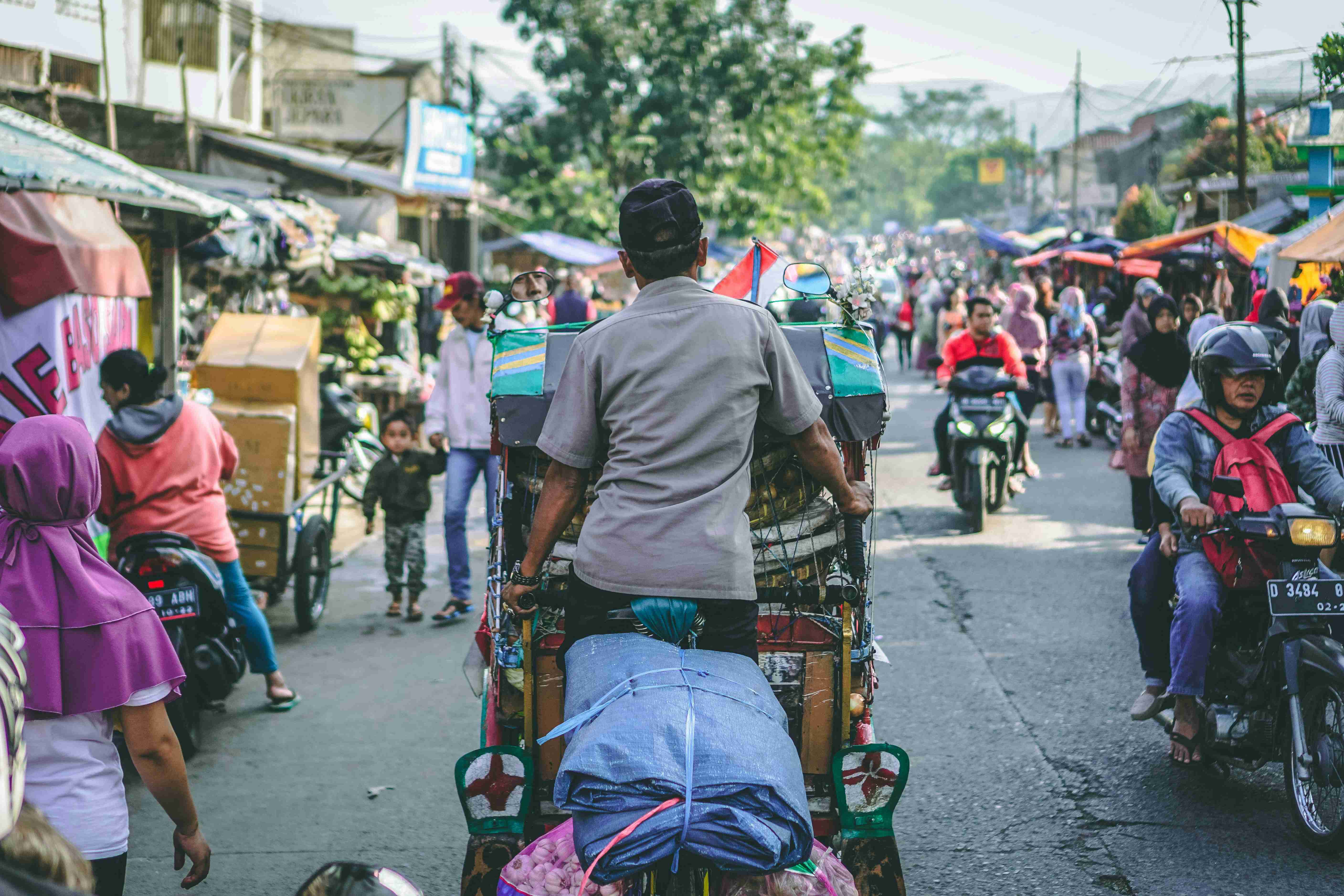
Don’t be surprised to see someone slowly driving in reverse down a road, or a vendor pushing a food cart down a national highway. It’s all part of the landscape here.
What Documents Do You Actually Need?
To drive legally in Indonesia as a foreigner, you need two documents:
- Your valid driver’s license from your home country
- An International Driving Permit (International Driving Permit)—issued before you enter Indonesia
This rule is strictly enforced. No International Driving Permit? You risk:
- Police fines
- Vehicle impoundment
- Being stopped from driving altogether
While some tourists try “unofficial” workarounds or use expired permits, this can backfire, especially during police checkpoints known as “razia”.
The Impact:
Getting waved over by police in Indonesia is common, especially as a tourist.
You might encounter "razia" checkpoints, where officers stop vehicles to inspect licenses, registration, and safety compliance. These are routine, not usually hostile. Most tourists are waved through after a document check.
Here’s what they usually ask for:
- Your home driver’s license
- An International Driving Permit (International Driving Permit)
- Vehicle registration (STNK)
- Passport or a high-quality photocopy
If something is missing, especially your International Driving Permit, the situation can shift. Some officers might suggest settling it with a small cash payment on the spot. This unofficial fee is locally known as pungli (illegal levy) source.
What to do:
- Stay calm and polite
- Avoid arguing or raising your voice
- Politely ask for an official ticket (surat tilang) if a fine is discussed
- Hand over photocopies, not originals, unless required
Road Conditions: From Highways to Dirt Tracks
Road quality in Indonesia ranges from modern tollways to goat paths.
Major toll roads like the Trans-Java Expressway are smooth, well-maintained, and great for long-distance driving. Urban main roads are also generally decent, though often congested. But once you leave city centers, road conditions can shift quickly.
Expect:
- Sudden potholes, even on paved roads
- Narrow lanes with no markings
- Sidewalks used as parking or traffic bypasses
- Roadside stalls, stray dogs, or even cows blocking rural routes
In villages and backroads, a lane that starts paved can turn into gravel or mud unexpectedly. Local traffic adapts quickly, but tourists are often caught off guard.
Caution: In smaller towns, many roads have little or no lighting at night. Combined with local drivers who might not use headlights, visibility becomes a real issue.
📊 According to BPS Indonesia, over 40% of Indonesia’s roads are in “moderate to poor” condition, especially outside Java and Bali.
Driving During Indonesia’s Rainy Season
From October to April, parts of Indonesia experience intense daily rain. It’s not a light drizzle. It’s torrential, sometimes turning streets into rivers in less than 30 minutes.
In cities like Jakarta and Medan, flash floods are common during peak rainy months. Potholes fill with water and become invisible. Drainage can’t keep up. Even a smooth highway can develop standing water several centimeters deep.
According to BMKG, average rainfall during the wet season in Jakarta is 350–400mm/month, peaking in January.
What this means for drivers:
- Roads flood fast. Don’t assume it’s shallow.
- Wet brakes take longer to respond.
- Motorbikes may still weave through puddles, stay alert.
- Some cars stall in standing water due to low engine clearance.
- Many rental insurance policies do not cover water damage. Always check.
Tip: If in doubt, wait out the rain. It usually clears up in 1–2 hours.
Renting a Car in Indonesia: What You Should Know
Renting a car is easy in Indonesia. The hard part? Understanding the fine print, especially when it comes to insurance.
You’ll find major providers like Avis, Hertz, and local companies in tourist areas such as Bali, Lombok, and Yogyakarta. Most offer decent vehicles, but insurance varies significantly.
Requirements to rent a car:
- Age 21 or older (some agencies require 23+)
- Valid home driver’s license
- International Driving Permit (International Driving Permit)
- Passport
- Credit card in the renter’s name
Before driving off, always ask:
{"cell": [], "data": [["Insurance Coverage Area", "Typically Included?"], ["Collision Damage (CDW)", "✅"], ["Tire and Mirror Damage", "❌"], ["Water or Flood Damage", "❌"], ["Theft Protection", "✅ or optional"]], "table_caption": "", "first_col_is_header": false, "first_row_is_table_header": true}If you're driving outside urban areas or during rainy season, it’s highly recommended to upgrade to full coverage, or a “super CDW” (Collision Damage Waiver). Many tourists have been surprised by costly fees for things like cracked bumpers, broken mirrors, or flooded engines.
Reminder: If your credit card includes travel insurance, check the policy carefully. Some providers exclude Indonesia from coverage.
Additional Tips:
Forget the rulebook, driving here is about instinct and subtle signals.
In Indonesia, drivers rely less on indicators and more on what you might call social cues. Horns, hand gestures, and head nods do the work of traffic signs.
Here’s what those signals usually mean:
- A light honk behind you: “I’m here, just letting you know.”
- A double honk: “I’m passing, please don’t drift.”
- Flashing headlights: “I’m coming through,” not “You go ahead.”
- A hand wave or head tilt: “Your turn,” or “Go on, I see you.”
Traffic is a dialogue. If you try to dominate or insist on textbook rules, it throws others off. If you mirror the confidence and softness of the local flow, you’ll blend in faster.
Do I need an International Driving Permit to drive as a foreigner in Indonesia?
Stay calm. Don’t admit fault. Don’t run.
Accidents happen. Especially when road conditions change suddenly or a motorbike darts out from nowhere. If you’re involved in one, the priority is to stay in control and act calmly.
What to do first:
- Move your vehicle to a safe area, if possible
- Check for injuries, ask locals to help call 112 if needed
- Take photos of the scene, damage, vehicle plates
- Exchange ID and license details with the other party
- Ask to see their STNK (vehicle registration document)
- Avoid saying it was your fault, even casually
If the police are called, be polite but reserved. You can request to file a report (laporan polisi) if needed for insurance.
📊 According to WHO data, Indonesia has one of the highest traffic fatality rates in Southeast Asia, 31 deaths per 100,000 population, mostly involving motorcycles.
Not Sure About Driving Yourself? You’ve Got Options
Driving here isn’t for everyone, and that’s OK.
If navigating narrow roads, dodging scooters, or dealing with traffic stops feels like too much, there are excellent alternatives that still give you freedom.
Here are safer options:
- Hire a local driver: For around $25–$35 per day, you get someone who knows the roads and the unwritten rules.
- Use ride-hailing apps: Grab and Gojek are everywhere in major cities and tourist towns. Cheap, easy, and app-based.
- Blue Bird taxis: Known for reliability. Always ask to use the meter.
- Scooter rentals: Fine in places like Bali, but only if you’re experienced and have an International Driving Permit.
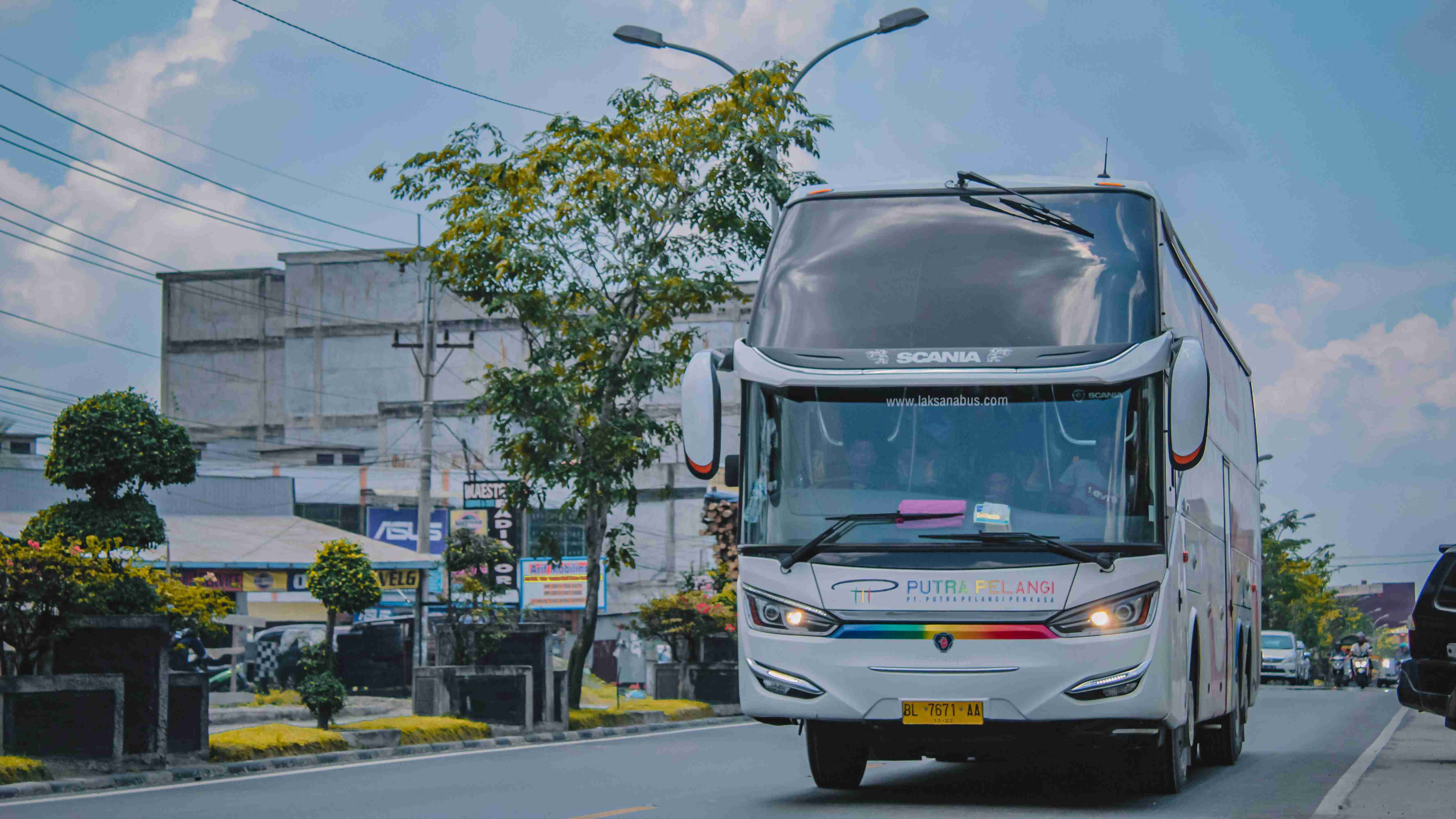
Quick Tips for Driving in Indonesia
- Get your International Driving Permit before arrival, it's legally required
- Drive on the left side
- Expect motorcycles at every angle
- Honks are communication, not aggression
- Don’t drive through flooded roads
- Avoid long-distance driving at night
- Obey all laws, even if locals don’t
- Always carry your license, International Driving Permit, and passport copy
- Take photos immediately after any incident
- Hire a driver if you feel overwhelmed
Car Rental Companies
If you’re planning to drive in Indonesia, this is non-negotiable: you need an International Driving Permit. It must be issued in your home country before arrival. Local authorities do not issue International Driving Permits to tourists.
You can order one quickly from a trusted provider like International Drivers Association. It includes:
- A downloadable digital copy
- A printed booklet shipped to you
- English-speaking customer support
- Valid for 150+ countries, including Indonesia
Tip: Keep a printed and digital copy with you when driving. It avoids confusion at roadside checks.
Final Thoughts: It’s Not Just Driving—It’s Cultural Navigation
Driving in Indonesia is a unique experience. It’s not just a way to get around, it’s a crash course in local behavior, unspoken communication, and split-second decision-making.
It’s unpredictable, occasionally frustrating, but surprisingly graceful once you understand it.
If you go in with patience, flexibility, and a bit of humor, you’ll collect stories you’ll never forget, like the time a cow blocked traffic on a highway for 10 minutes, or when you learned to use a horn like a local greeting.
And if it’s too much? That’s fine too. There’s always a friendly driver ready to take the wheel.
Safe travels, selamat jalan.

Get your International Driving Permit in 8 minutes

